Embracing AI in Beauty: A New Era of Personalization
In today’s fast-paced digital landscape, the beauty industry is undergoing a transformation thanks to artificial intelligence (AI). With innovative technologies such as AI-powered face analysis, skincare quizzes, and personalized product recommendations, brands are reshaping how they connect with consumers. This article explores the practical implications of these advancements and offers insights into how they enhance the shopping experience.
The Power of Personalization
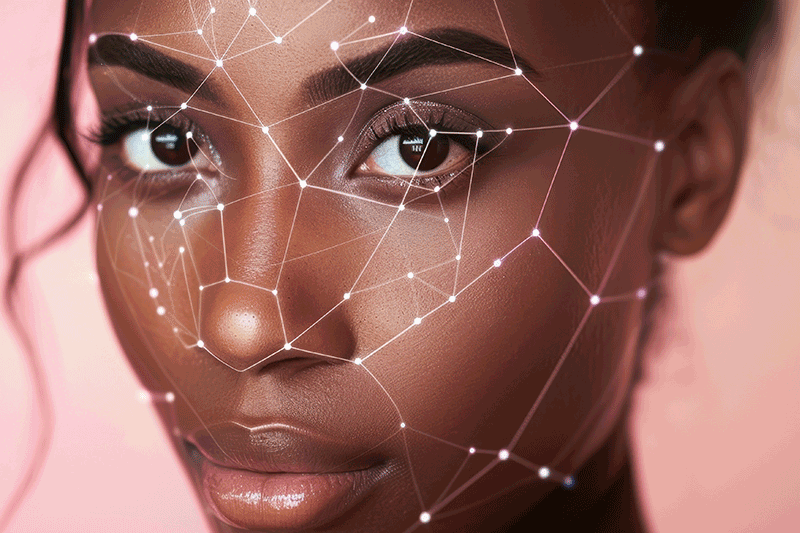
At the heart of AI in beauty lies the ability to provide personalized discovery, which can dramatically increase conversion rates. AI face analysis tools evaluate facial images to determine skin type, tone, hydration levels, and more, allowing customers to identify products tailored specifically for them. Skincare quizzes collect information about age, skin concerns, and preferred ingredients to create curated product matches.
For example, Skinwise, an Australian skincare brand, integrated Inference Beauty’s AI skincare finder, resulting in a 17% increase in basket size and a 50% boost in conversion rates. Similarly, Maquibeauty, a Spanish e-commerce platform, implemented a personalized quiz that not only enhanced customer satisfaction but also reduced product returns.
This personalized approach reduces the overwhelming number of choices consumers face. According to Inference Beauty, 80% of shoppers are more inclined to buy from brands that offer customized experiences, and 74% are willing to share personal data to receive such service.
Building Customer Loyalty Beyond Transactions
While AI contributes to immediate sales, its true strength lies in fostering long-term loyalty. By integrating AI-generated insights with customer relationship management (CRM) and email marketing tools, brands can send timely and relevant follow-ups, such as reminders for product refills, skincare tips, or exclusive offers.
However, many brands are still not fully harnessing their AI capabilities within their broader marketing strategies, missing out on valuable opportunities to build relationships. Hyper-personalized communication, which considers purchase history and individual preferences, can significantly enhance lifetime customer value. A study by Hasan Beyari in 2025 highlights that e-commerce platforms using AI are better at retaining customers compared to their counterparts. In this new landscape, loyalty is cultivated through recognition, relevance, and trust rather than mere discounts.
Intelligent Marketing at Scale
With the right AI foundation, brands can transcend static marketing campaigns. First-time buyers might receive educational guides about products, while loyal customers are offered early access to new items that fit their interests. Indeed, personalized emails have shown to achieve transaction rates up to six times higher than those that are non-personalized, as indicated by Bloomreach data.
In the contemporary beauty sector, personalization is not just a component; it has become an expectation. This shift offers brands a powerful strategy to establish deeper connections, improve conversion rates, and ensure long-term sustainable growth.
Conclusion
The integration of AI into the beauty industry marks a significant shift in how brands engage with their consumers. By prioritizing personalized experiences, companies can not only enhance immediate sales but also build lasting relationships that foster customer loyalty. As technology continues to evolve, embracing these advancements will be essential for brands looking to thrive in a competitive market. Personalization is more than a trend; it represents the future of beauty, where every customer interaction enhances their unique journey.