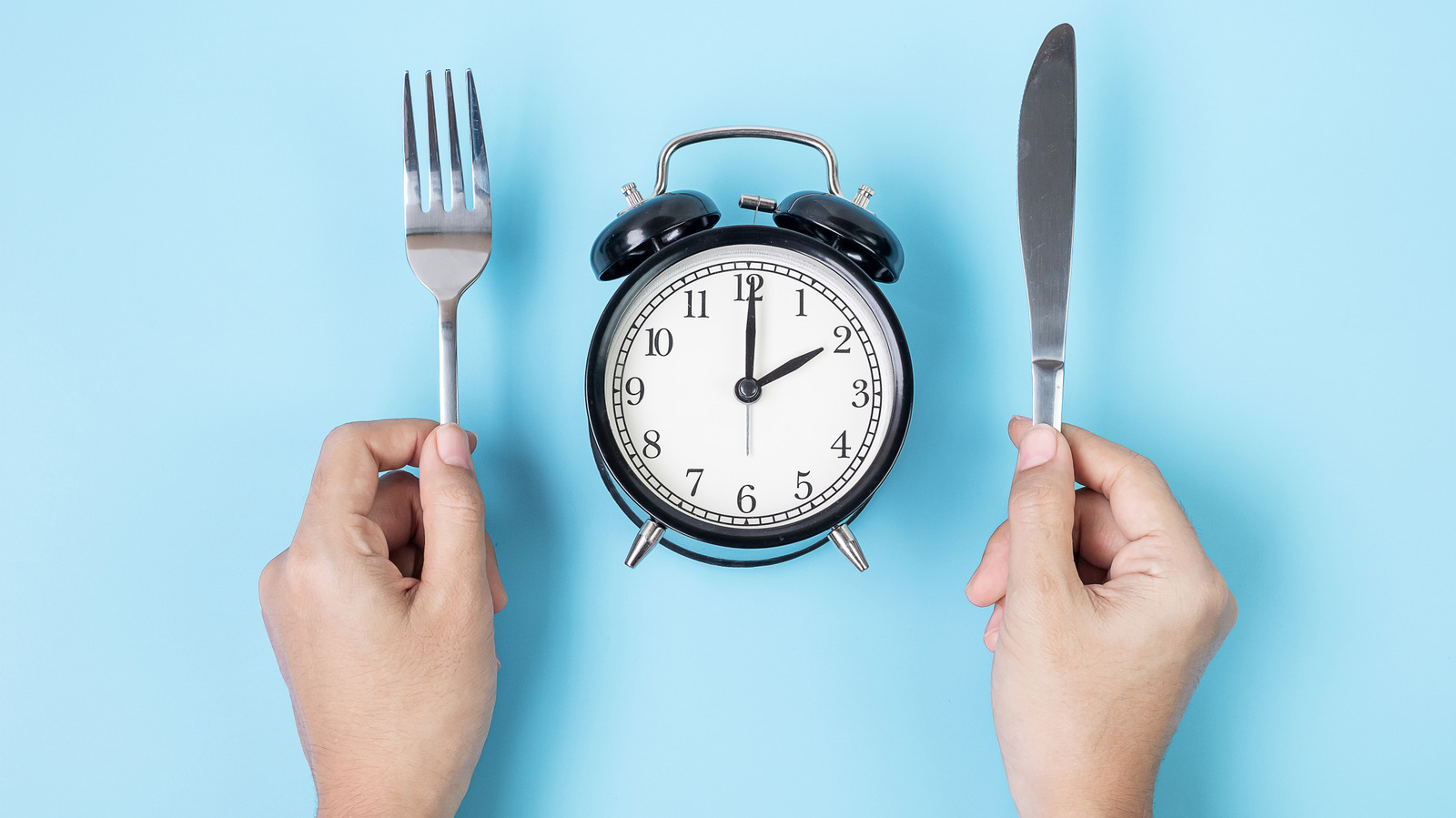
While breakfast is famously deemed “the most important meal of the day,” recent research reveals that lunch timing is equally crucial. Scientific studies indicate that eating lunch between 12 p.m. and 2 p.m. enhances nutrient absorption, ultimately boosting energy levels effectively.
Dr. Kezia Joy, a Registered Dietician Nutritionist and medical advisor at Welzo, explains, “The body’s digestive capabilities and glucose processing are at their peak during this period.” This is aligned with our body’s natural circadian rhythm, which governs various functions, including metabolism, according to a 24-hour cycle of light and dark. When lunch aligns with this cycle, our bodies instinctively respond better to hunger and satiety signals, facilitating balanced eating without the urge to overindulge.
Nonetheless, busy lives might occasionally disrupt lunch schedules. Dr. Joy advises attempting to eat lunch at the same time each day whenever possible to help synchronize the body’s hunger hormones and digestive rhythm. “You don’t have to stick rigidly to the same time every day; minor fluctuations are fine as long as you don’t routinely skip or delay lunch by three to four hours,” she adds.
Choosing the Right Time and Food for Lunch
Research suggests that dining after 2 p.m. can result in erratic blood sugar levels and diminished energy throughout the day. Dr. Joy warns, “Eating your last meal of the day after 2 p.m. can increase your evening hunger, leading to higher calorie intake during dinner.”
Finding the best time for lunch within that 12 p.m. to 2 p.m. window can be influenced by personal factors such as work commitments, sleep quality, and activity levels. For those in physically demanding roles, a midday meal around 12 p.m. optimizes energy levels. Dr. Joy also highlights that the type of breakfast consumed can impact lunch timing; a protein-rich breakfast, like cottage cheese or Greek yogurt, usually keeps hunger at bay longer, making it possible to push lunch to the latter end of the recommended time frame. In contrast, a less nutritious breakfast with quick-digesting carbohydrates, such as sugary cereals like Fruity Pebbles, can trigger hunger pangs much sooner.
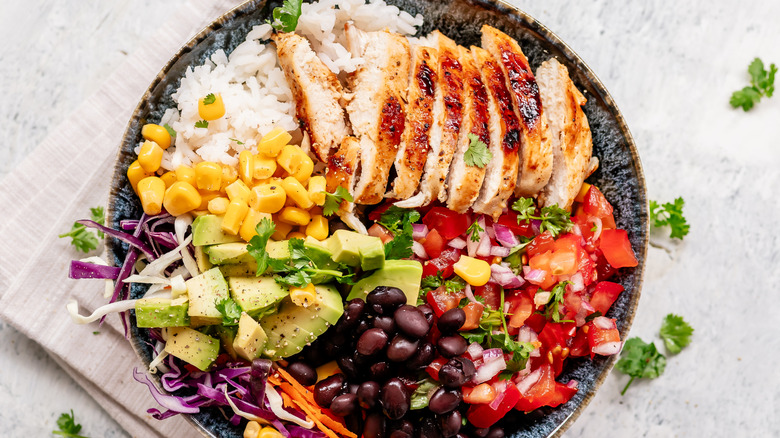
Furthermore, what you consume for lunch and in what quantities is just as critical. “Aim to include a mix of three components: protein, complex carbohydrates, and healthy fats,” advises Dr. Joy. “These elements work together to provide lasting energy and promote satiety.”