Embracing Change: The Intersection of Fashion and Beauty
The fashion industry is experiencing a dynamic shift, and this transformation extends significantly into the realm of beauty. As we approach the Fall 2026 ready-to-wear shows in New York, it’s essential to explore how recent changes in creative leadership are reshaping beauty standards and trends. This article delves into how these developments are influencing beauty aesthetics and what it means for everyday consumers.
The New Era of Beauty
With the onset of a new wave of designers at renowned fashion brands, the interest in beauty aesthetics is more pronounced than ever. Arabella Ferrari, Chief Innovation Officer at Intercos Group, asserts that the transformations occurring within major fashion houses are evident in the beauty industry as well. She explains that beauty is becoming a primary means of expressing a fashion house’s creative direction, moving beyond mere support for runway looks to stand as a vital storytelling medium.
Adaptation in the Beauty Landscape
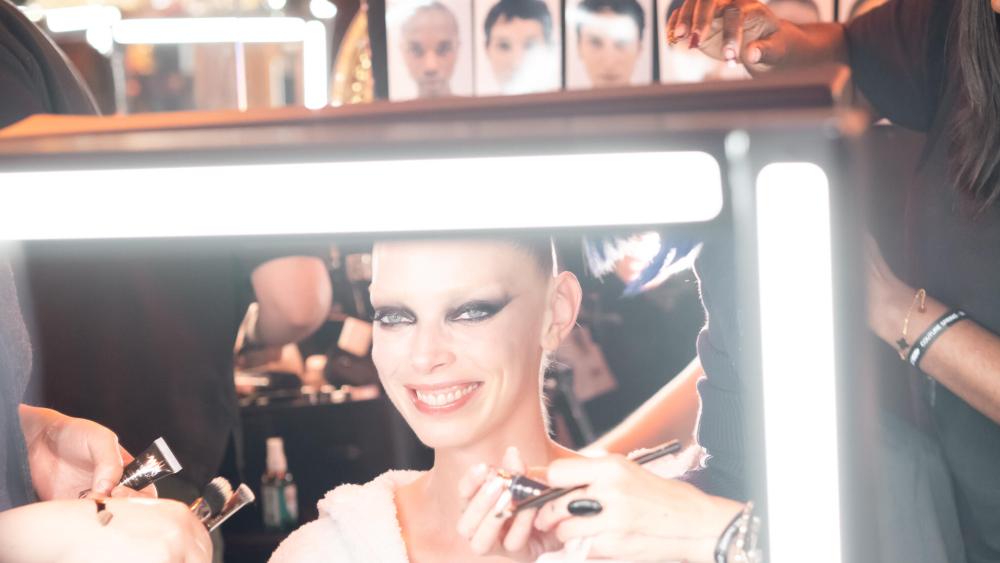
As fashion houses reevaluate their creative teams, we can expect to see significant changes in beauty direction. A prime example is Chanel’s recent shifts in makeup and hairstyling teams under the direction of Matthieu Blazy. This transition has opened the door for new and innovative makeup looks that resonate with contemporary aesthetics. Meanwhile, established brands like Dior are maintaining their existing creative teams to ensure consistency while adapting to new design philosophies.
Trends Influencing Beauty
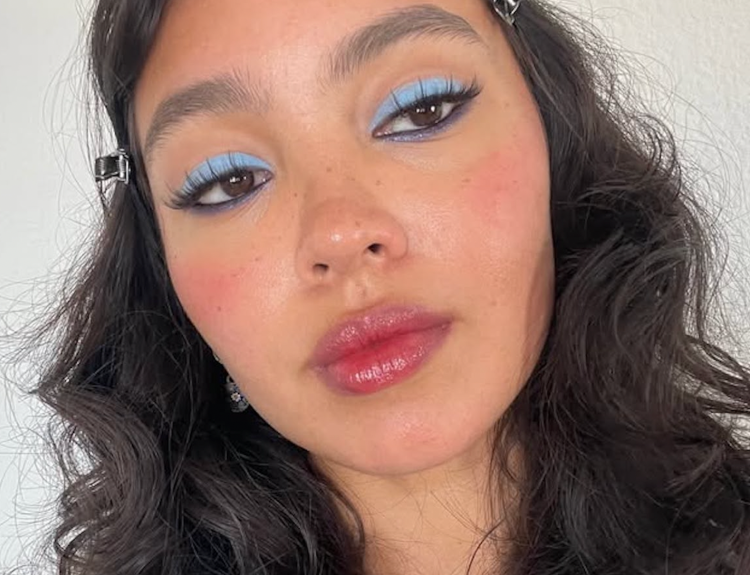
Recent shifts toward maximalism in fashion—characterized by layering, embellishments, and bold patterns—are having a direct influence on beauty. According to Ferrari, the current mood emphasizes individual expression and emotional richness, translating into beauty products that prioritize textures and finishes.
As beauty brands aim to align their timelines more closely with fashion, product development is increasingly becoming anticipatory rather than reactive. This forward-thinking approach allows beauty brands to stay ahead of trends and remain relevant in a competitive market.
The Role of Social Media and Consumer Trends
With the rapid spread of beauty trends on social media, runway looks are no longer the sole drivers of consumer behavior. Instead, beauty aesthetics are absorbing and reflecting overarching moods from the runway. For instance, the “glass skin” look debuted by Pat McGrath at Maison Margiela quickly became a viral sensation, highlighting how one runway moment can shape product demand.
Conclusion: The Future of Beauty and Fashion
As brands continue to integrate their fashion and beauty categories, the importance of coherent aesthetic visions becomes increasingly clear. With new designers bringing fresh perspectives to established houses, we can anticipate vibrant evolutions in both fashion and beauty. Ultimately, consumers can look forward to a blend of creativity and accessibility, allowing everyone to partake in the beauty revolution ignited by the latest trends. As the boundaries between fashion and beauty blur, embracing change will be key for both consumers and brands alike.