The Resilience of Beauty: Understanding the Lipstick Index and Market Trends
In the ever-evolving landscape of beauty and cosmetics, economic theories can sometimes appear both relevant and outdated. One such theory, the “lipstick index,” suggests that in tough economic times, consumers may continue to indulge in small luxuries, such as lipstick. Recent discussions among beauty industry leaders indicate that while this notion persists, its implications and nuances may be changing.
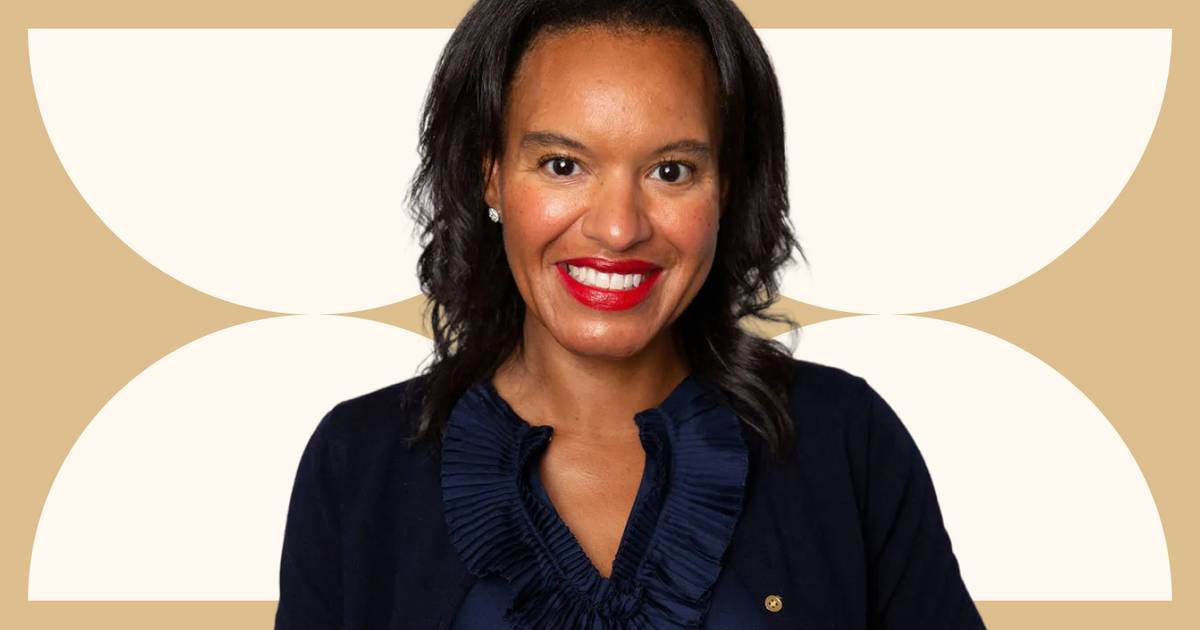
CFO Mandy Fields of e.l.f. Beauty recently emphasized that the lipstick index remains a meaningful indicator, even though the economic climate is shifting. Traditionally popularized by Leonard Lauder of Estée Lauder in the 2000s, this index argues that affordable luxuries remain a priority for consumers during downturns. However, the fluctuations in sales seen in larger companies last year prompted some skepticism about its reliability.
Fields points to the current labor market as a crucial factor influencing consumer behavior. With a stagnant job market—characterized by minimal hiring and firing—people may become more strategic in their spending. This shift could lead to varied preferences in beauty products, with consumers thoughtfully considering whether to invest in high-end brands or opt for mass-market alternatives.
Key Strategies for Adapting to Market Changes
-
Focus on Value: e.l.f. Beauty positions itself as a cost-effective choice, with three-quarters of its product lineup priced at $10 or below. This strategy appeals to consumers who prioritize value during uncertain financial times. For example, the brand recently introduced a $5 concealer, highlighting its commitment to affordability compared to prestige products that typically exceed $30.
-
Innovation and Community Engagement: Fields attributes the company’s ability to gain market share—reporting a consistent increase for 28 consecutive quarters—to a focus on innovation and maintaining strong connections with the community. By keeping a pulse on consumer preferences, e.l.f. ensures that its product introductions align with market needs.
-
Smart Acquisition Strategy: The company has also succeeded through strategic acquisitions. Its recent purchase of Rhode, a popular skincare line founded by Hailey Bieber, has contributed significantly to revenue growth, with expectations now set at $260 million for the year—a 70% increase compared to previous estimates. Fields notes the company’s intention to maintain a thoughtful approach to future acquisitions, focusing only on those that align with its growth criteria and cultural values.
Conclusion: Adapting to Change While Embracing Resilience
In conclusion, while the lipstick index continues to serve as a litmus test for beauty spending habits during economic fluctuations, the current landscape requires brands to be adaptable and value-driven. As consumers navigate their choices amid economic uncertainty, companies that prioritize affordability, innovation, and community engagement will likely thrive. Keeping in mind these practical strategies will empower both businesses and consumers to make informed decisions, ultimately reinforcing the resilience of the beauty industry.