
5 min read
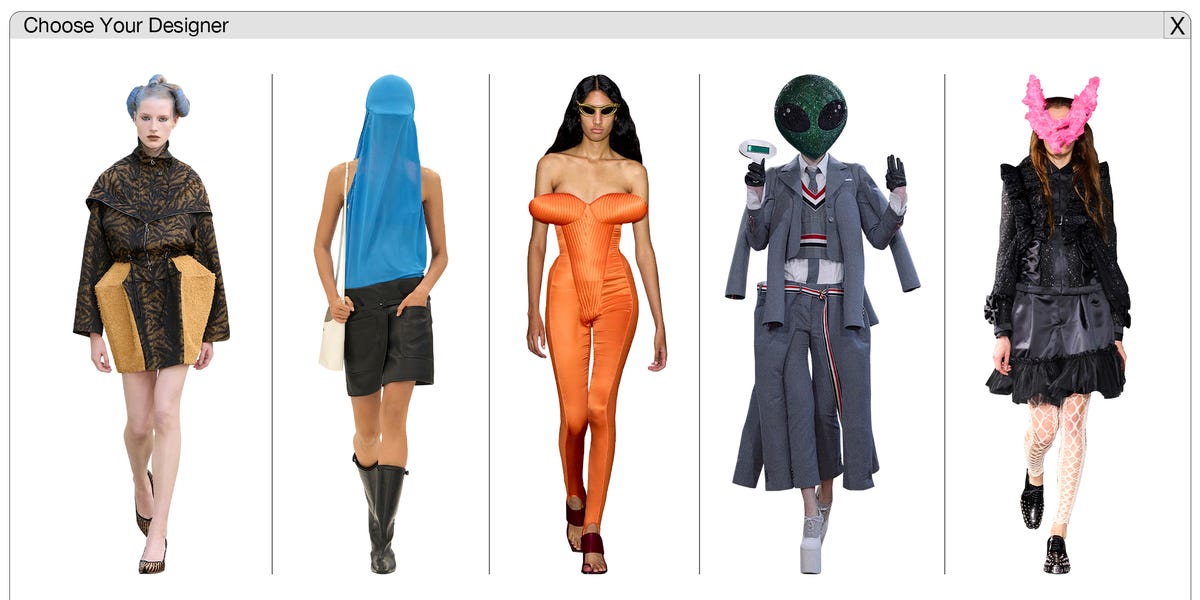
During the latest Paris Fashion Week, Courrèges showcased a striking array of models on the catwalk, clad in shield-like dresses that obscured their faces. The presentation evoked an impression of combat readiness or even an otherworldly expedition. This bold statement reflects a broader trend among designers who are keen on preparing us for alternative realities through fashion.
For enthusiasts of understated luxury, these audacious editorial styles resemble cosplay at its finest. Kiko Kostadinov debuted outfits reminiscent of The Legend of Zelda or Star Trek. Meanwhile, Duran Lantink presented a vision that evoked The Fifth Element. At Tom Ford, Haider Ackermann tailored jackets in plum and candy apple green, evoking echoes of the Matrix.

Kiko Kostadinov spring/summer 2026.
Fashion has increasingly engaged with the gaming world; Coach recently launched a collection for The Sims 4, and Skims introduced customizable skins in Fortnite. This trend comes as nearly half of the gaming market in the U.S. now consists of women. Designers are eager to whisk us away to fictional worlds, whether grounded in nostalgia or pure fantasy, as a form of creative escape amid current global challenges.
This shift has been brewing for some time. After multiple seasons of understated aesthetics, a pivot to big, bold, fantasy-inspired creations was inevitable. “In challenging times, popular culture often gravitates toward escapism, similar to how screwball comedies provided relief during the trying 1930s,” explains Valerie Steele, director and chief curator of the Museum at FIT. The surrealist movements of the ’20s also served as a reaction against the logic that led Europe into World War I, merging reality with fantasy and opening up possibilities of imagination. Presently, the desire to explore different times and spaces, whether past or futuristic, is undeniably evident in fashion.

//
LAUNCHMETRICS SPOTLIGHT
Thom Browne spring/summer 2026.
Such themes of outer space were pervasive in the spring 2026 collections. This long-standing fascination gained a more playful tone this season. Thom Browne paraded models through the lavish halls of the Hotel Pozzo de Borgo in Paris, adorned with sparkling alien helmets and accompanied by a whimsical soundtrack featuring sounds from Minions and Doctor Who. The collection effectively blurred the lines between reality and fantasy, with Browne’s ingenious adaptations of traditional tailoring.
Noir Kei Ninomiya consistently transports audiences elsewhere. His striking silhouettes, crafted from star motifs, create surreal gowns and outerwear that command the width of the runway, transforming models into captivating figures that defy human norms. Ninomiya shared, “A star symbolizes purity and optimism, a universal motif everyone understands. This collection contemplates whether a simple image can convey a profound new reality.” Similarly, Pierpaolo Piccioli launched his debut collection for Balenciaga, featuring bug-eyed accessories styled alongside glamorous gowns and textured skirts, ready for a space-themed adventure.

Balenciaga spring/summer 2026.
Steele asserts that a persistent fascination with alternate realities influences the current fashion landscape. “While futurism seems to be waning due to grim prospects, curiosity about alternative worlds is thriving.” The retro-futurism of the ’60s (as seen in designs by Grace Ling) and the vibrant spirit of the ’80s (inspired by brands like Versace, Valentino, and Saint Laurent) are being embraced by designers, suggesting a more hopeful trajectory for the future.

Tom Ford spring/summer 2026.
Designers like Laura and Deanna Fanning of Kiko Kostadinov are creating fantastical characters through their work. This season, inspired by the artist Christina Ramberg, they focused on shaping the female form with textiles, resulting in harlequin patchwork dresses and layered corsets accentuated by medieval-inspired headpieces. “Our vision leans toward otherworldly characters,” Laura explains. “We draw inspiration from the captivating people we meet during our travels.”
Their artistic mission challenges conventional aesthetics: “We aim to provoke thought,” Laura states. “Pushing boundaries is crucial for cultural progression. It’s important to embrace ideas that might not be universally accepted.” Deanna adds, “As women, fantasy grants us the freedom to explore realms that societal norms might restrict, and it feels like the right moment to do so.”

Jean Paul Gaultier spring/summer 2026.
Currently, the fashion industry’s creative exploration offers a refreshing escape from the mundane. Even if those pieces won’t end up in your wardrobe, their visual appeal and storytelling provide a delightful distraction. “In an age filled with distressing news, it’s challenging for many to cope,” notes Steele. “People crave escapism, whether through artistic imagery or dazzling designs.” As a result, the realm of cosplay has never looked so enticing.