Key Highlights
- Virtual reality (VR) fitness platforms turn home workouts into engaging, game-like experiences through motion tracking and interactive settings.
- AI-driven coaching tailors training suggestions in real-time, catering to cardio, strength, flexibility, and mindfulness practices.
- The rise of lightweight, wireless VR technology is making VR fitness a practical alternative to traditional gym setups.
In today’s fast-evolving fitness landscape, technology is redefining how we exercise and maintain health. One of the most groundbreaking advancements is the emergence of virtual reality (VR) fitness platforms. These innovative systems utilize immersive digital environments, real-time motion tracking, and intelligent coaching to offer uniquely engaging home workout experiences. Once viewed as a niche within gaming, VR fitness is rapidly establishing itself as a viable option for those seeking a dynamic alternative to conventional gyms and fitness studios. As both hardware and software advance, VR workouts promise to revolutionize the way we approach fitness at home.
The Evolution of Home Fitness
The landscape of home fitness has dramatically transformed over the past two decades. Initially dominated by equipment like treadmills and dumbbells, the market has progressed to include video workout programs and mobile apps, allowing for guided routines and tracking of progress. In recent years, connected fitness platforms have incorporated live classes, leaderboards, and performance metrics to simulate the communal atmosphere of group training.
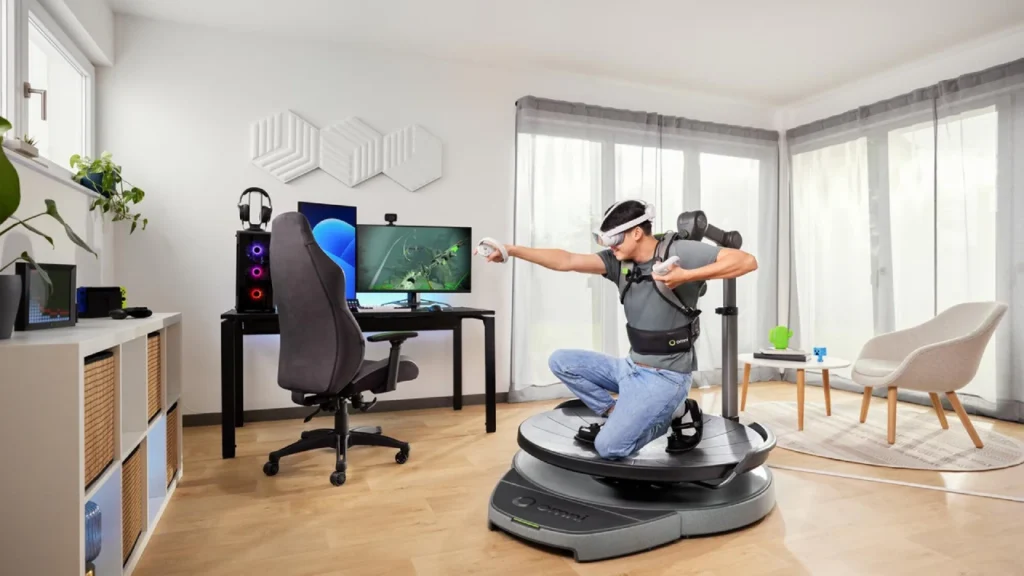
Despite these advancements, many individuals find challenges with motivation, consistency, and engagement. Boring routines, limited space, and lack of immediate feedback can hinder progress. VR fitness seeks to overcome these barriers by providing immersive and interactive experiences that make workouts feel more like adventures.
What Makes a VR Fitness Platform Unique
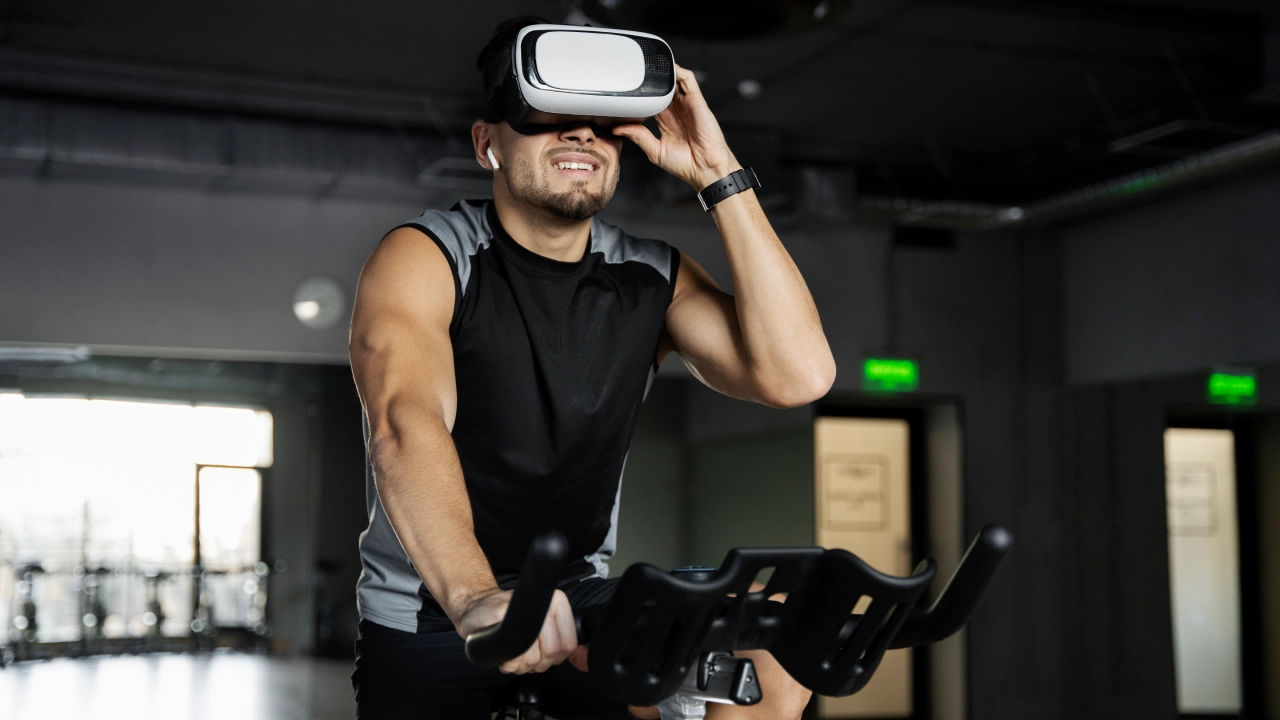
A typical VR fitness platform combines three essential elements: VR hardware, immersive software environments, and smart coaching systems. Users wear VR headsets equipped with motion controllers or body-tracking sensors, enabling the system to monitor movements in real time. With the software, users can enter various virtual environments—ranging from vibrant fantasy landscapes to simulated gyms—where workouts become embedded in engaging scenarios.
Unlike conventional workout videos, VR fitness systems respond dynamically to user actions. Squats, punches, lunges, and jumps are tracked and translated into in-game activities, ensuring that effort has a direct impact on progress. This real-time interaction fosters a level of immersion that traditional exercises cannot replicate.
Gamified Workouts and Immersive Environments
A standout feature of VR fitness platforms is their ability to gamify workouts. Instead of simply counting repetitions or watching a timer, users may navigate obstacles, climb virtual mountains, or engage in boxing matches with digital opponents. These playful environments create an environment where progress is measured through in-game achievements rather than just physical goals.

Gamification heightens motivation by stimulating reward systems linked to enjoyment and competition. Many VR fitness platforms feature scoring systems, achievement levels, unlockable content, and virtual rewards to maintain user interest over time. Some also offer social features, enabling multiplayer sessions and global leaderboards that foster a sense of community and enhance engagement.
This strategy appeals to individuals who may find traditional workouts monotonous or intimidating. By shifting the focus toward exploration or competition rather than just physical exertion, VR fitness becomes more welcoming and enjoyable.
The Power of AI in Coaching and Personalization
Artificial intelligence plays a crucial role in differentiating VR fitness platforms from earlier digital workout options. AI-based coaching systems assess user performance data—such as movement accuracy, speed, range of motion, and stamina—to deliver real-time feedback and personalized training guidance.
These systems adapt the intensity of workouts spontaneously, adjusting support based on an individual’s fitness level and fatigue. For instance, if a user’s form begins to falter, the AI coach can offer corrective suggestions or recommend a brief rest period. Over time, the technology learns from past interactions to develop customized training plans that align with personal fitness objectives, whether they involve weight control, strength building, flexibility, or cardio enhancement.

Fitness Modalities Offered in VR
Modern VR platforms can also integrate biometric data from devices like heart rate monitors and smartwatches. This helps the AI gauge exertion levels more accurately, ensuring workouts remain within safe intensity zones. As machine learning advances, AI coaching within VR fitness may become as responsive as traditional trainers.
VR fitness platforms offer a wide range of exercise modalities tailored to different user preferences and fitness needs. Cardiovascular-intensive activities, including rhythm-based exercises, virtual cycling, boxing, and high-intensity interval training (HIIT) are among the most sought-after applications.
Strength and resistance training are becoming increasingly favored, with VR systems simulating weightlifting through body-weight routines, resistance bands, or smart accessories. While VR may not entirely replace heavy weights, it provides effective alternatives for boosting functional strength, core stability, and muscular endurance.
Additionally, VR is expanding into flexibility and mindfulness practices, offering virtual yoga studios, guided stretching, and meditation experiences. This comprehensive approach aligns with the growing consumer interest in holistic wellness rather than just physical fitness.
Technological Advances Driving VR Fitness
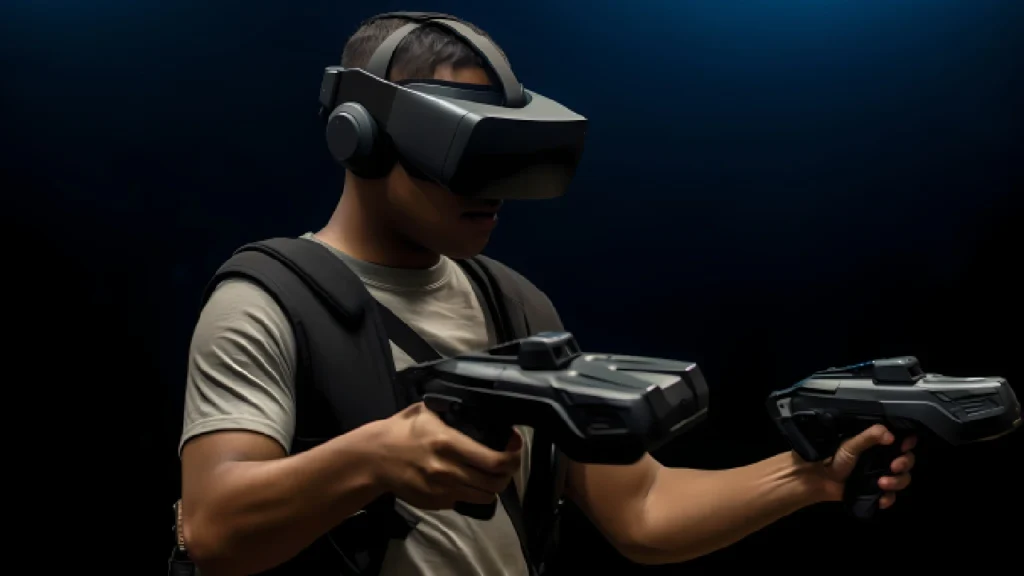
The success of VR fitness is closely tied to advancements in technology. Early VR setups were bulky and expensive, often requiring powerful computers, making them impractical for home use. Today’s headsets are lighter, wireless, and more affordable, making them suitable for immersive movement.
Progress in motion tracking, inside-out camera technology, and comprehensive body sensors allows for more precise movement detection. Enhanced display resolutions and wider fields of view help minimize motion sickness, a critical factor for longer workout sessions. Moreover, improvements in battery life and heat management further support more intense and extended workouts.
As technology continues to evolve, VR fitness platforms are expected to become even more comfortable, affordable, and versatile, lowering barriers to entry for users.
Challenges and Limitations
Despite its vast potential, VR fitness faces several challenges. One major issue is the requirement for adequate physical space; users need sufficient room to move safely, which can be difficult in smaller residences. Additionally, prolonged use of VR headsets can lead to discomfort for some, particularly during vigorous workouts.
Another barrier is the learning curve associated with using VR technology. Although interfaces are becoming more user-friendly, newcomers may require time to adapt. While costs are declining, the financial investment for headsets, accessories, and subscription services can still be a concern.

Concerns about long-term effectiveness and injury prevention also exist. While AI coaching can mitigate risks, improper movements in immersive setups could still lead to strain if users don’t pay attention to their real-world body mechanics.
Looking Ahead
As we move forward, VR fitness platforms are likely to become a staple in home gym setups. Innovations in augmented reality, mixed reality, and advanced haptic feedback could seamlessly blend digital and physical training, further enhancing the experience. Future systems may simulate resistance more naturally, facilitate outdoor-like workouts indoors, and unify fitness, gaming, and overall wellness.
With advances in AI, VR fitness platforms are poised to deliver even more personalized and adaptive training solutions for users across all age groups and fitness levels. For many households, a VR headset coupled with an engaging subscription may replace cumbersome gym equipment, providing a versatile and exciting alternative to traditional fitness setups.
In this light, virtual reality fitness transcends mere technological novelty; it signifies a pivotal shift in how we engage with exercise, combining immersion, intelligence, and interactivity to redefine the future of at-home fitness.