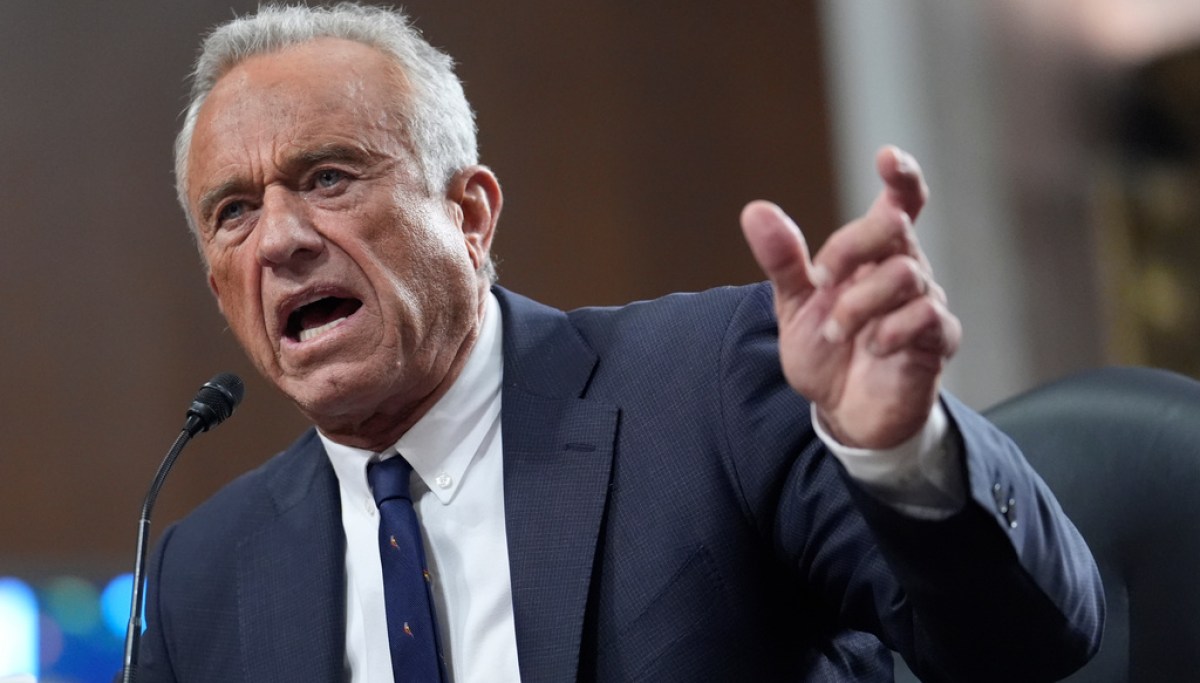
In a recent event at the Heritage Foundation, Health and Human Services Secretary Robert F. Kennedy Jr. intensified his criticism of ultraprocessed foods. This significant gathering marked the first anniversary of his “Make America Healthy Again” initiative, during which he highlighted the urgent need to improve the American diet.
During the discussion with Heritage Foundation President Kevin Roberts on Monday, Kennedy pointed out that an alarming 70% of children’s food is classified as ultraprocessed, which he claims is detrimental to their health, leading to metabolic disorders like diabetes and obesity.
“It’s a spiritual warfare,” Kennedy asserted. “This is a large-scale attack on our cellular health. It’s fundamentally an assault on our children.”
He emphasized that ultraprocessed foods pose even greater health risks than cigarettes, noting that a staggering 40 cents of every taxpayer dollar is directed toward treating “diet-induced chronic diseases.”
A significant portion of his remarks focused on the recently updated Dietary Guidelines for Americans. These guidelines, established every five years by the Health and Human Services and Agriculture departments, dictate the standards for federally funded food programs including food stamps, school lunches, and military meals.
The new guidelines advocate for increased consumption of protein, healthy fats, and vegetables while advising a reduction in grains and highly processed carbohydrates.
Kennedy clarified that revising national food recommendations does not equate to establishing a “nanny state.”
“In this country, you should still be able to buy Coca-Cola or enjoy a Krispy Kreme donut if you wish,” he stated. “However, we believe it’s our responsibility to inform you about its health implications and allow you to make informed choices.”
While the conversation was primarily centered on food and healthcare reforms, Kennedy briefly addressed the growing incidence of chronic autoimmune and neurological disorders.
Reflecting on his childhood experiences working with the Special Olympics, he noted, “I was raised amid the movement advocating for the rights of individuals with intellectual disabilities, yet I didn’t encounter any autistic children back then.”
“Today, I witness an entire generation facing challenges with autoimmune and neurological issues, and this is not how children should be,” he lamented.
Kennedy expressed that parenting has never been more challenging, painting a vivid scenario in which parents must routinely deny their children tempting treats at the grocery store checkout.
RFK JR. TOUTS KETO DIET AS CURE FOR SCHIZOPHRENIA
He urged parents to maintain “a stance of perpetual skepticism towards authority” as an essential civic duty in a democracy.
“Corporations and the government have commodified us,” Kennedy warned. “They are stripping away our essence, turning us into consumers, and the products offered are predominantly harmful. We must navigate through this reality with a critical mindset and instill this understanding in our children, recognizing that much of what we are told is misleading.”
In conclusion, Kennedy’s firm stance on food quality and health outlines a broader societal concern for the well-being of future generations. His call for awareness and critical thinking encourages individuals to challenge the status quo and prioritize nutrition and health in daily choices.


