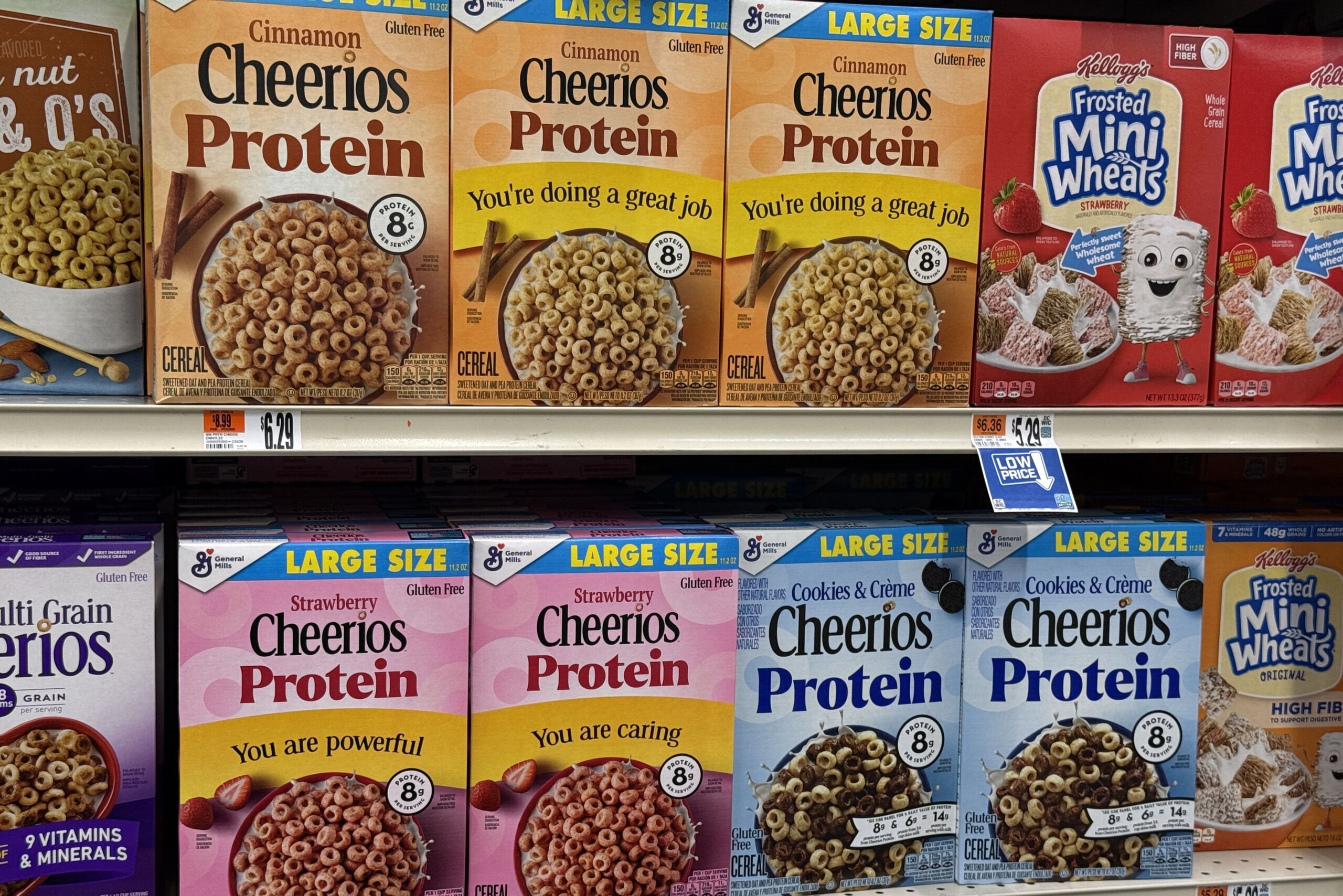
The protein craze has taken hold across the United States, but the question remains: how much protein do we really need? Experts are now weighing in on the impact of added protein in our diets, particularly through processed foods and drinks.
This page contains a video which is being blocked by your ad blocker.
In order to view the video you must disable your ad blocker.
America is on a protein kick but how much do you really need?
Walk through any grocery store, and you’ll encounter shelves lined with products proudly displaying extra protein content. But is this added protein truly necessary, given the abundance available in supermarkets, restaurants, and coffee shops?
Major coffee chains like Starbucks and Dunkin’ have incorporated protein add-ins for their drinks. Fast-casual dining establishments are not far behind; Chipotle has launched a ‘High Protein Menu’ that features a bowl packed with 81 grams of protein. Subway is now offering a budget-friendly “Protein Pocket” wrap stuffed with deli meats.
In grocery stores, the trend continues with an array of protein-enhanced items, including pasta, cereals, chips, pancakes, waffles, and even Protein Pop-Tarts, which debuted last fall.
According to Shari Wohl, a nutrition expert and instructor at American University, most individuals do not require additional amino acids.
“The majority of Americans fulfill their dietary protein needs,” she stated. “Protein deficiency is exceptionally uncommon in the U.S.”
Wohl highlighted that obtaining protein from processed foods often introduces unhealthy additives into one’s diet.
“In those Pop-Tarts, you might get some protein, but you’re also consuming a significant amount of added sugar and enriched white flour,” she explained. “If it’s an occasional treat, that’s fine, but essentially it’s more like a cookie with some protein thrown in.”
Protein plays a crucial role in our overall health. It is one of the three primary macronutrients, alongside fats and carbohydrates, and serves multiple functions beyond energy production.
“All of our hormones and enzymes are proteins,” Wohl mentioned. “While carbohydrates mainly provide energy, proteins are vital for performing numerous essential chemical reactions that our bodies require to function.”
She stressed that the current surge in high-protein labeling stems more from marketing trends than from solid scientific evidence.
“In the realm of nutrition science, we often see buzzwords emerge and quickly gain popularity, which leads to widespread misconceptions,” she said.
Excessive protein intake can lead to excess calorie storage as fat, and individuals with kidney conditions might face added complications from high protein diets.
The recommended daily intake of protein ranges from 10% to 35% of total caloric consumption. For those following a 2,000-calorie diet, this translates to approximately 50-175 grams per day, as stated by the Mayo Clinic.
Wohl recommends obtaining protein from lean sources such as chicken, turkey, and fish, as well as from plant-based alternatives like legumes.
While most Americans consume sufficient protein, Wohl noted many are missing out on another important nutrient.
“Our dietary shortfall lies in fiber intake, which is crucial for our health,” she pointed out. “Excellent fiber sources include fruits, vegetables, and whole grains.”
Foods like beans and spinach not only contribute protein but also boost fiber content in the diet.
Get breaking news and daily headlines delivered to your email inbox by signing up here.
© 2026 WTOP. All Rights Reserved. This website is not intended for users located within the European Economic Area.