In January 2026, the latest U.S. Dietary Guidelines for Americans were launched, known as the DGAs. These guidelines, published every five years by the USDA and the Department of Health and Human Services (HHS), are now under the leadership of Robert F. Kennedy, Jr. He symbolizes the MAHA movement (Make America Healthy Again) and was appointed to this position by Donald Trump, extending the president’s MAGA influence into nutritional policies.
Interestingly, Trump’s straightforward and well-documented diet does not fully align with the DGAs’ recommendations for American eating habits. Whether Kennedy will sway Trump’s eating choices remains to be seen, as the president is not known for experimenting with his diet. This raises the question: which of Trump’s dietary preferences align with the MAHA philosophy of consuming “real food,” and which do not? Let’s delve into it.
Trump’s Most Commonly Eaten Breakfast Food is … Nothing
The new DGAs significantly emphasize the importance of protein, encouraging it to be included in every meal—breakfast, lunch, and dinner. This is especially relevant for older adults like Trump, who, despite needing fewer calories, are encouraged to include nutrient-dense foods such as meat, seafood, eggs, dairy, whole grains, and fresh produce in their diets.
So, what does Trump typically eat for breakfast? Surprisingly, it’s nothing at all. He is known to go the first 12 hours of the day without consuming a single bite.
This presents a quandary: does Trump’s complete avoidance of breakfast align with the MAHA philosophy? He avoids foods that contradict the movement, yet he also neglects to consume what the movement recommends for breakfast. One might imagine that RFK Jr. would at least want to share some sauerkraut with Trump, though that might not be warmly received.
On the Rare Occasion Trump Does Have Breakfast, MAHA Would Mostly Approve
To recap, MAHA advocates for protein, especially red meat and eggs. This aligns with the revised food pyramid presented in the DGAs, which positions protein, dairy, and healthy fats alongside fruits and vegetables at the top. While using a food pyramid may seem outdated, there’s no questioning the stance of the MAHA-led USDA and HHS on this topic.
Given this context, Donald Trump’s breakfast—when he does partake—shouldn’t ruffle too many feathers within the MAHA camp. True to his style, Trump opts for the classic combination of bacon and eggs, a choice that aligns well with his personality.
According to the new DGAs, this breakfast is generally acceptable. The eggs get a big thumbs up, while bacon gets a mixed review—it’s a source of protein but contains substantial sodium levels. Nevertheless, we can categorize this classic breakfast as MAHA-approved.
Most of Trump’s Liquid Intake is Diet Coke
MAHA, and by extension the DGAs, maintain certain steadfast beliefs regarding dietary choices, primarily focusing on “real food.” Alarmingly, over 70% of Americans are classified as overweight or obese, with sugary beverages like sodas often cited as a significant factor in this trend. (It’s perhaps best if MAHA overlooks Trump’s beverage choices.)
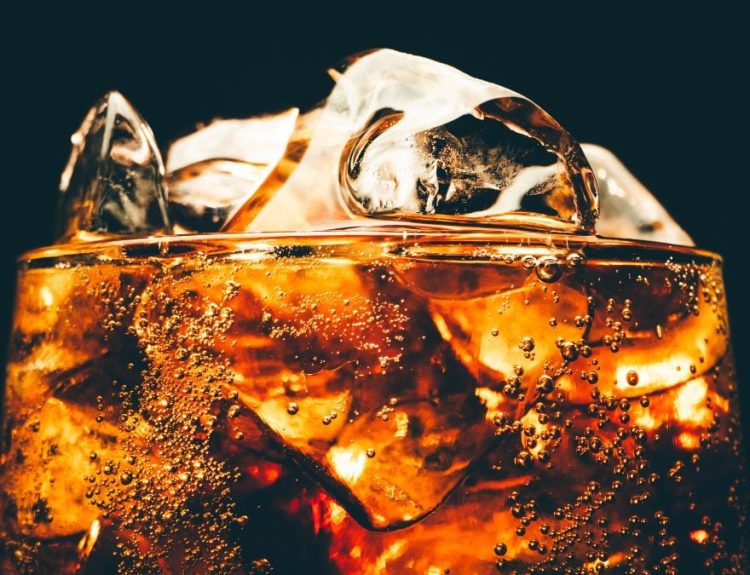
Trump’s fondness for Diet Coke is legendary; he consumes an astonishing number of cans daily—reportedly up to a dozen. This fizzy beverage often constitutes his only fluid intake. He even had a dedicated Diet Coke button reinstalled at the Oval Office desk, allowing him to summon this preferred drink at the push of a button during bill signings.
According to the guidelines, this steadfast loyalty to Diet Coke—or the potential switch to Coke Zero—does not bode well for anyone, least of all Trump.
Trump Liking Steak is Okay Again, but the Ketchup Isn’t
The new DGAs recommend consuming approximately 1.2 to 1.6 grams of protein per kilogram of body weight daily, which aligns with the MAHA push for meat consumption. The MAHA advocates are clear about their support for meat, embracing a carnivorous diet.
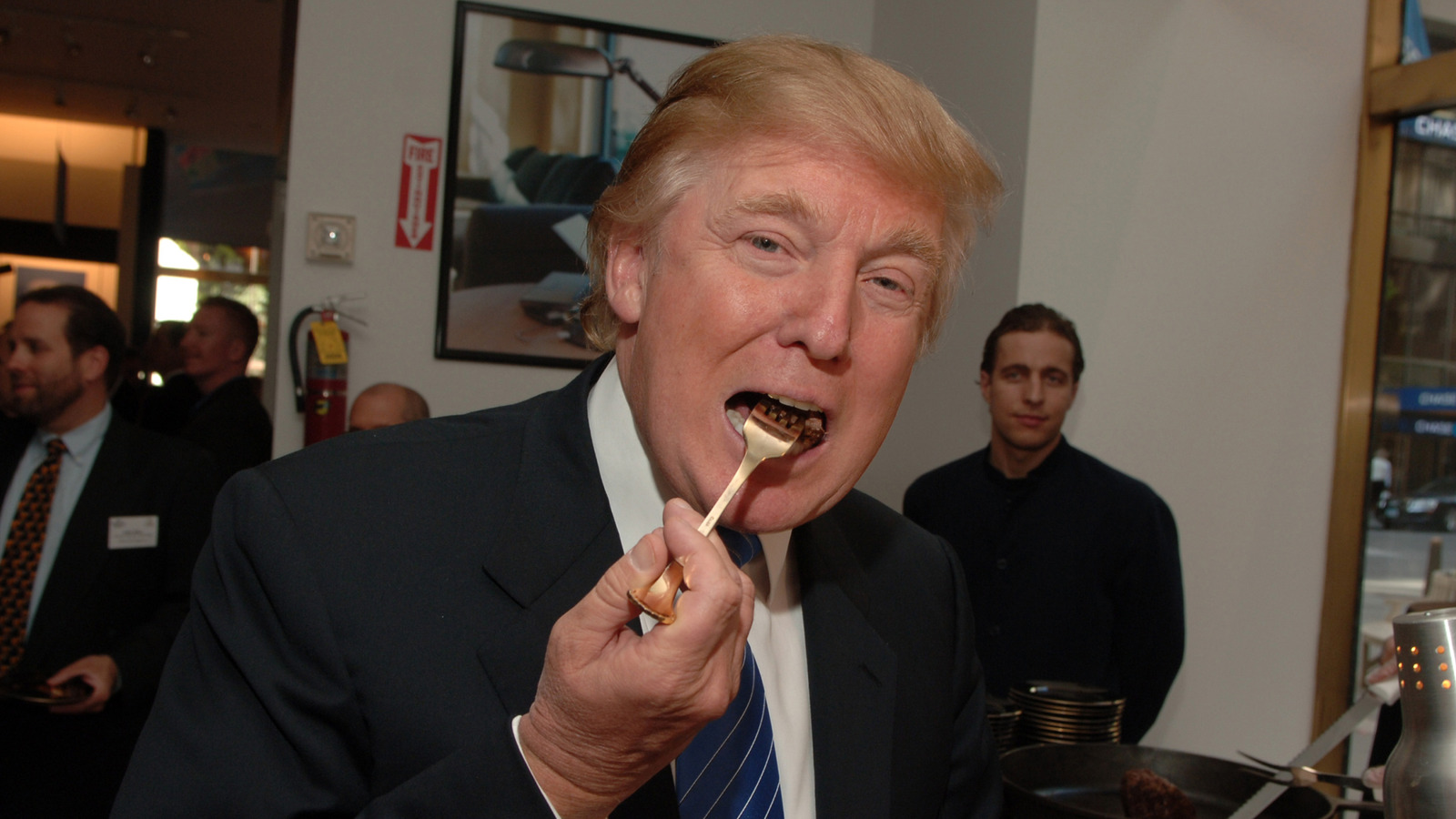
Fortunately, Trump fully embodies this meat-loving ethos and even launched his line of Trump Steaks a few years ago. However, not all is well on the MAHA front because Trump’s condiment of choice—ketchup—does not align with the DGAs. The high sugar content in this beloved condiment is a definite red flag, yet Trump doesn’t often go without it.
On the topic of steak preparation, Trump is infamous for his preference for well-done meat, devoid of any pink. This well-done preference likely contributes to his reliance on ketchup to make the overcooked steak more palatable. Thus, this culinary choice remains a mixed bag.
Trump Thinks a Side of Vegetables is Garbage
Fruits and vegetables remain pivotal in the new DGAs, emphasizing their necessity in daily diets while reinforcing the concept of “real food.” However, according to Trump’s former butler Tony Senecal, Trump would often order his steak with a request for “no garbage,” referring to any vegetables or greens. It seems he might consider ketchup sufficient, though that classification doesn’t hold up to scrutiny from health experts.
In fairness, while the DGAs endorse vegetables, they are careful not to promote a vegan or vegetarian diet, citing potential nutritional deficiencies. Although Trump’s rejection of vegetables seems to contradict MAHA’s guidelines, his preference for red meat may offset any concern as long as he avoids fast food alternatives. Wait, what about McDonald’s? Oh.
Trump is a Total Teetotaler
A notable shift in this iteration of the MAHA DGAs concerns alcohol consumption. However, it’s important to note that the guidelines still suggest limiting alcohol intake without specifying a quantity, remaining vague about its consumption.
Trump, however, is not at risk of overindulging; he has never been a drinker, largely influenced by the tragic loss of his brother to alcoholism. He asserts he has never tasted alcohol. While that’s hard for many to fathom, it appears to be true.
It’s widely accepted that alcohol offers minimal health benefits, and few, if any, healthcare professionals advocate its consumption. So even if some believe a drink might do Trump some good, it seems he will continue to abstain, and MAHA would certainly approve of this choice.
Trump Really Likes His Shakes
Here we encounter another food choice of Trump’s that does not align with MAHA standards. The new DGAs recommend that Americans consume three servings of dairy daily, specifically endorsing full-fat dairy products, a shift from past guidelines that favored low-fat options. This change is particularly championed by RFK Jr., who advocates for healthy saturated fats.
However, Trump’s fondness for milkshakes does not align with MAHA principles. Although the dairy content might seem appropriate, the added sugars are alarming—often exceeding 40 grams in a small shake from McDonald’s (his preferred choice). Clearly, this exceeds the DGAs’ recommendations by a wide margin. Consequently, this trend in Trump’s diet would likely receive a resounding rejection from MAHA.
Trump’s Got That Sweet Tooth
The new DGAs put a significant focus on limiting added sugars, a longstanding concern within the medical community that has been linked to diabetes, heart disease, and obesity. They suggest that children should avoid added sugars until the age of ten, a substantial change from the previous guidelines.
Enter Donald Trump’s sweet tooth. His love for candy—particularly Starburst, Tootsie Rolls, and Hershey’s—conflicts sharply with the dietary guidelines’ stance against processed sweets. Trump openly identifies as a “candy addict” and keeps a bowl of sweets readily available for those high-stress moments. Naturally, he is quite selective about his candies, preferring only the cherry and strawberry Starburst.
Portion Control is Not Always on Trump’s Menu
Portion sizes are emphasized prominently in the latest DGAs, aimed at combating weight gain, with a clear directive to “Eat the Right Amount for You.”
However, the guidelines offer vague advice, suggesting that caloric intake should be tailored to individual characteristics (age, sex, height, weight, activity) without providing specifics on portion sizes. Essentially, MAHA encourages mindful eating rather than gluttony.
Seen in this light, it’s noteworthy that Trump can often go an entire day without food. By the time he sits down for a meal at his favored restaurant—Mickey D’s—his indulgence can be staggering. Reports indicate he often consumes two Filet-O-Fish sandwiches, two Big Macs, and a milkshake, resulting in roughly 2,400 calories in a single sitting. It’s safe to conclude that moderation is not always part of Trump’s culinary experience.
Trump’s Favorite Restaurant is RFK Jr.’s Mortal Enemy
And now we reach the crux of the issue: Trump’s long-standing affinity for McDonald’s. His fame for the fast-food chain is well-documented, even leading him to don an apron and assist in cooking during a campaign stop. He claims to know the McDonald’s menu better than their own staff.
Trump’s admiration for McDonald’s stems partly from his concern about food safety; he believes premade McDonald’s meals are less likely to be tampered with than other options. This preference, while quirky, raises questions about healthiness in light of MAHA’s objectives, which distance themselves from fast food, specifically due to ingredients high in sodium and refined carbs. RFK Jr. has openly criticized fast food for undermining American nutrition, though he praised Steak ‘n Shake’s switch to beef tallow for their fries. Navigating Trump’s love for McDonald’s could prove a hurdle for any attempts to reform dietary guidelines at the HHS.
Trump Will Eat Salad (Good), but Prefers Thousand Island (Bad)
The DGAs have outlined several nutritional deficiencies that can stem from vegetarian or vegan diets, indicating that such plans may lack key vitamins and proteins. However, they maintain their emphasis on overall fruit and vegetable consumption, advising at least three servings of vegetables and two servings of fruit each day.
While Trump isn’t particularly known for his fruit consumption and often dismisses vegetables, he does occasionally enjoy a salad. This invites partial approval from the MAHA advocates, but it’s crucial to note that his go-to dressing is Thousand Island, which contains added sugars and high sodium. In this case, the step toward eating salad is nearly neutralized by the less healthy condiment choice.
Donald’s Doritos Do Not Put Him in MAHA’s Good Graces
To give Doritos some credit, they are a universally popular snack, even enjoyed by both Trump and Kamala Harris during their respective campaigns. However, these chips exemplify the highly processed foods that the new DGAs actively discourage. The emphasis on gut health within MAHA seeks to avoid such processed snacks, which can disrupt the gut microbiome.
Understanding that junk food is not healthy is certainly no revelation. However, Trump’s fondness for Doritos contrasts starkly with the trajectory the DGAs hope to promote. Interestingly, while junk food consumption has been on the decline, Trump’s snack choice seems to defy this trend.