As women enter their 40s and 50s, their bodies undergo significant changes that can challenge their ability to maintain muscle mass, bone density, and metabolic efficiency. Natural muscle deterioration increases, while levels of estrogen and testosterone decline, leading to a slowing metabolism. Since muscle tissue burns more calories than fat, this gradual loss can contribute to weight gain and fatigue. According to Tracee Yablon Brenner, RDN, HHC, CLT—a registered dietitian nutritionist at the Holy Name Medical Center—protein intake becomes increasingly crucial during this time to help women adapt to these transitions.
“Protein protects muscle, enhances bone strength, stabilizes blood sugar, and maintains a healthy metabolism throughout these changes,” Brenner explains. Insufficient protein can lead to muscle loss, slower metabolism, weight gain, and fatigue, even for those who exercise regularly.
“Women often express, ‘I eat less than I used to, yet I’m gaining weight easily.’ This phenomenon is typically linked to protein deficiency rather than excessive calorie intake,” she notes. With that in mind, here are six essential sources of protein that should be included in your diet:

Struggling With Sleep? This Rechargeable Sound Machine Is A Total Game-Changer

shutterstock
1. Eggs
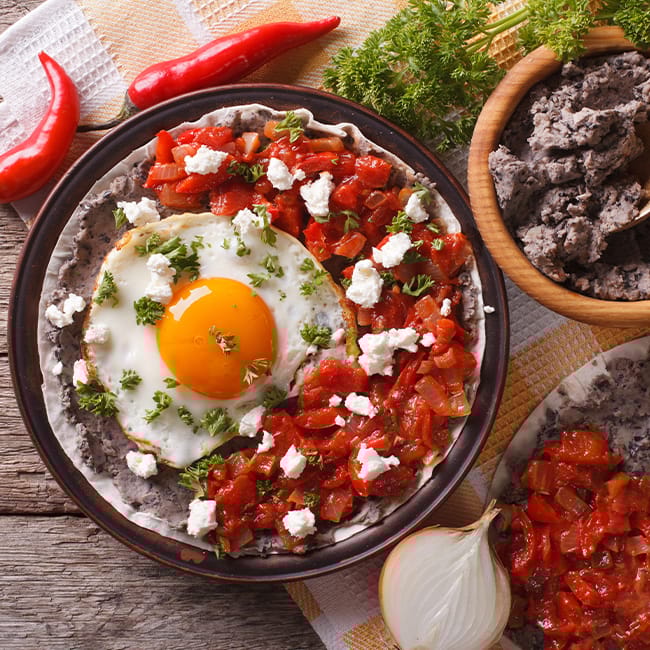
Eggs are not just a delicious breakfast option; they are also a fantastic source of highly digestible protein that aids in muscle preservation. Rich in leucine, an essential amino acid for muscle maintenance, eggs also supply choline, which is vital for overall health. Whether served at breakfast or in various dishes, they can effectively help meet your protein needs, especially during morning hours when achieving adequate intake can be challenging.

shutterstock
2. Greek Yogurt, Cottage Cheese, and Skyr
Who doesn’t love protein-rich dairy? Brenner emphasizes that options like Greek yogurt, cottage cheese, and skyr offer both protein and calcium, crucial for supporting muscle and bone health. These dairy items are easy to digest and beneficial for gut health, which is essential for nutrient absorption. Notably, cottage cheese contains casein protein, a slow-digesting protein that aids in maintaining muscle over time. Incorporating these delicious and nutritious foods regularly can help sustain lean muscle mass and insulin sensitivity as you age.

shutterstock
3. Fatty Fish
Don’t overlook seafood! Fatty fish like salmon, sardines, mackerel, and anchovies offer complete protein along with omega-3 fatty acids that encourage muscle health and reduce inflammation, which can speed up muscle loss. Including fatty fish a few times a week can help balance hormones, support metabolism, and protect heart and brain health—especially beneficial for women over 50.

shutterstock
4. Lean Poultry
Chicken and turkey are both quality proteins rich in nutrients that promote muscle health and metabolic well-being. By regularly adding lean poultry to your meals, you can help stabilize blood sugar levels and consistently meet your daily protein intake. Trying batch cooking with poultry for soups, salads, or stir-fries is a simple and effective way to ensure you’re getting the necessary protein for a thriving body!

shutterstock
5. Legumes
Pass the beans, please! Legumes, including lentils, chickpeas, and beans, are excellent sources of plant-based protein, fiber, and vital minerals. They are beneficial for gut health, help maintain insulin sensitivity, and promote feelings of fullness, which can protect against overeating. For optimal muscle support, pair legumes with animal or dairy protein—think lentils with chicken or beans in yogurt-based recipes. A match made in culinary heaven!

shutterstock
6. Protein Powder
While it’s always best to obtain nutrients from whole foods, protein powder can serve as a convenient supplement. Whether derived from whey or plant sources, it helps fill dietary gaps and meet protein requirements. Incorporating protein powder into smoothies, yogurt, or baked goods can ensure you’re getting enough protein, especially during busy days or after workouts.

shutterstock
How Much Protein Do Women Over 50 Really Need?
A practical guideline for women over 50 is to consume 25–35 grams of protein per meal across three meals daily. “Distributing protein intake evenly throughout the day maximizes muscle response,” Brenner emphasizes.
She also highlights that protein is less about muscle building for aesthetics and more about strength, mobility, and metabolic health. “Protein isn’t just about ‘bulking up’; it’s about maintaining strength, mobility, and metabolic health as we age,” says Brenner. An important perspective to embrace!


