### Understanding Cosmetic Safety: Practical Tips for Healthier Choices
In our daily lives, we often reach for shampoos, deodorants, and lotions without a second thought. However, recent findings by Consumer Reports have highlighted that some of these common products might contain ingredients linked to serious health risks, including cancer and hormone disruption. This article aims to shed light on this issue while offering practical advice to help you make safer choices for your personal care routine.
Most individuals apply cosmetics daily yet remain unaware of the multitude of chemicals present in these products. With federal regulations not having been significantly updated for over 80 years, the safety of many ingredients remains questionable.
A new law passed in 2022 requires cosmetic companies to register their products and ingredients with the Food and Drug Administration (FDA). Nonetheless, this does not guarantee that all ingredients undergo thorough safety evaluations before reaching consumers.
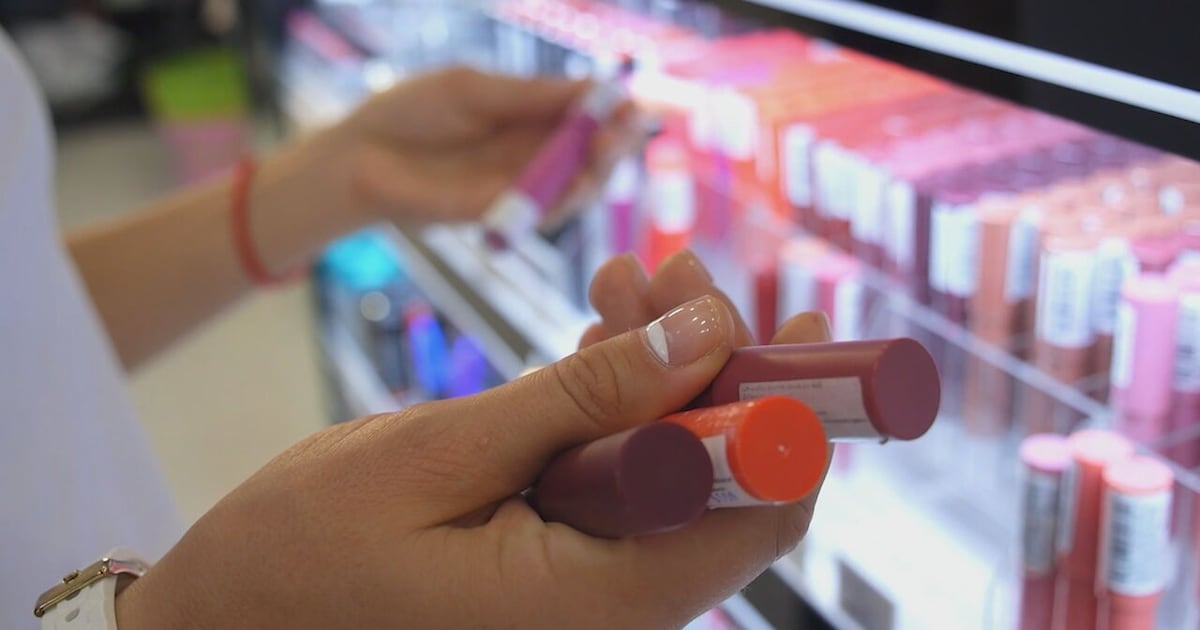
By closely examining product labels, Consumer Reports found some concerning ingredients commonly present in store-bought items. For instance, the term “fragrance” may indicate the presence of phthalates—chemicals that can interfere with hormonal health. It is advisable to look for products specifically labeled as paraben-free and formaldehyde-free to avoid potential risks, as these ingredients may contribute to various health issues.
Another group of harmful substances, often referred to as PFAS or “forever chemicals,” can be found in waterproof and long-lasting makeup products. Some studies have associated these chemicals with severe health concerns.
Additionally, coal tar dyes, frequently used in hair dyes and cosmetics, can provoke skin reactions and may carry a higher cancer risk with prolonged occupational exposure.
So, what steps can you take for a safer beauty routine? Start by making reading labels a habit. Opt for products that proudly declare themselves free from harmful ingredients, and consider utilizing ingredient-checking tools like Clearya or SkinSafe for further guidance.
Gradually swap out products for safer alternatives, beginning with those you use most frequently. Even minor adjustments can significantly reduce the levels of harmful substances in your body.
In conclusion, being proactive about your personal care choices is key. By staying informed, utilizing available tools, and gradually replacing products, you can take significant steps toward enhancing your overall health. Additionally, purchasing from reputable retailers instead of unknown online sources can help you avoid counterfeit or contaminated products.

©2026 Cox Media Group