Exploring Fitness and Athletic Performance in Transgender Athletes
In recent years, discussions surrounding fitness and athletic performance among transgender athletes have gained significant attention. A recent groundbreaking study sheds light on this topic, revealing important insights into the physical fitness levels of transgender women after undergoing hormone therapy. This article will distill findings from the study while offering practical fitness advice that anyone can follow.
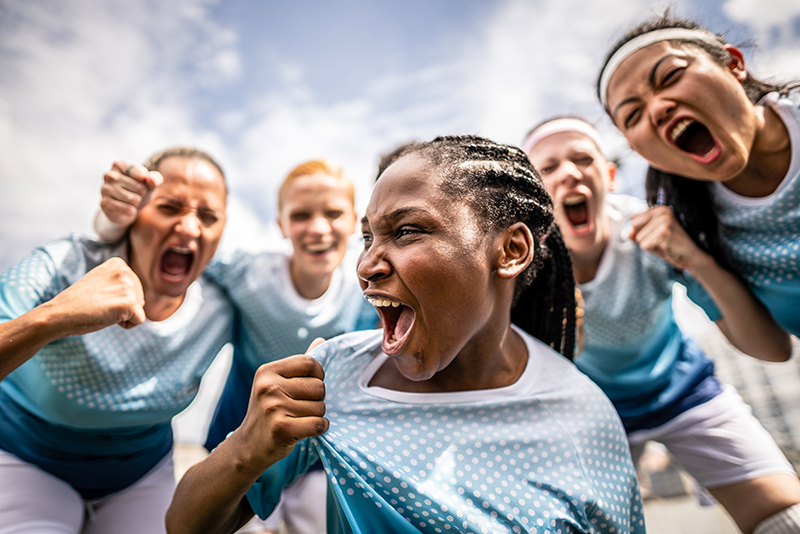
Photo: FG Trade via iStockphoto
Key Findings from the Study
Conducted by Brazilian researchers and published in the British Journal of Sports Medicine, the study encompasses a thorough review of existing research, involving 52 studies and over 6,400 participants. The primary focus was to compare the body composition and physical fitness levels of transgender individuals before and after hormone therapy with those of cisgender individuals.
Body Composition and Fitness Levels
The analysis revealed that transgender women exhibited body compositions similar to those of cisgender women after several months of gender-affirming hormone therapy. While transgender women retained more lean mass after one to three years of hormone therapy, they did not show notable differences in upper- or lower-body strength compared to cisgender women. The study found no discrepancies in maximal oxygen consumption (VO₂ max) between the two groups, a crucial indicator of cardiorespiratory fitness.
Implications for Sports Policies
These findings challenge many assumptions surrounding transgender athletes and athletic advantages. According to Bruno Gualano, a physician involved in the study, this data suggests that blanket bans on transgender women in competitive sports may not be justified. The researchers assert that the supposed inherent physical advantages held by transgender women do not align with the evidence.
Areas for Further Research
While the study delivers insightful findings, it also has limitations. It primarily focused on physiological aspects, overlooking the social, psychological, and cultural factors that can influence athletic performance. Additionally, the long-term effects of hormone therapy on young individuals and their performance metrics remain unexplored, indicating an essential area for future research.
Practical Fitness Advice for All Athletes
Whether you identify as transgender or cisgender, focusing on your fitness journey requires practical steps. Here are some recommendations that can help you enhance your athletic performance:
-
Establish a Routine: Consistency is pivotal in any fitness plan. Aim to exercise at least 3-5 times a week, integrating both strength training and cardiovascular activities.
-
Listen to Your Body: Understanding your body’s needs is crucial. Adjust workouts according to how you feel, taking rest days when needed to prevent injury and ensure recovery.
-
Focus on Nutrition: A balanced diet fuels performance. Include a mix of proteins, healthy fats, and complex carbohydrates, ensuring you stay hydrated throughout your activities.
-
Set Realistic Goals: Establish achievable fitness goals tailored to your current level. Whether it’s improving endurance, strength, or flexibility, setting measurable goals helps track progress and keeps motivation high.
-
Work with Professionals: If you’re unsure where to start, consider consulting with a fitness coach or trainer. They can provide personalized guidance that aligns with your goals and abilities.
-
Prioritize Mental Health: Athletes should also focus on mental well-being. Incorporate mindfulness practices, such as yoga or meditation, to enhance psychological resilience.
Conclusion
The ongoing research into the fitness levels of transgender athletes is critical for developing informed sports policies and practices. It highlights the importance of understanding the complexity surrounding athletic performance, which goes beyond mere physical attributes. Regardless of gender identity, applying practical fitness strategies can lead to a healthier lifestyle and improved athletic results. Engaging with your fitness journey in a thoughtful and informed way not only enhances personal achievements but also fosters a more inclusive athletic community.