A San Francisco-based startup is empowering its employees, regardless of their technical background, to create applications and automate various tasks through the use of cutting-edge AI tools.
Empowering Non-Technical Staff to Build Business Applications with AI
This past Saturday, Checkr, a company renowned for its AI-driven background check technology, unveiled a new initiative named “vibe coding.” This program enables team members in departments such as HR, finance, and legal to utilize AI in developing business applications, as reported by Business Insider.
According to CEO Daniel Yanisse, the company’s initiative has experienced remarkable uptake.
“We provided each employee with a monthly stipend to explore AI tools and organized AI days along with demos. One year later, 95% of our workforce engages with prompt-based tasks daily,” Yanisse told Business Insider.
He further mentioned, “This year, we aim to elevate these efforts by advancing into the realm of building applications with AI, as part of vibe coding.”
Utilizing AI Tools for Workflow Automation and Practical Solutions
Employees are leveraging AI to create applications that streamline workflows and address real-world challenges, such as organizing extensive spreadsheets.
Checkr is currently experimenting with a variety of AI development platforms, including Lovable, Replit, Claude Code, and Cursor. Lovable is particularly recommended for beginners, while Cursor is gaining traction among both engineering and non-technical staff.
“We have AI solution engineers available to assist and partner with employees, ensuring they overcome challenges and achieve success,” Yanisse added.
Driving Innovation and Navigating Challenges in AI ‘Vibe Coding’
Earlier, Peter Steinberger, the creator of the popular AI agent Clawdbot (now OpenClaw), expressed that his enthusiasm for “vibe coding” led to a level of obsession that required him to step back for his mental well-being.
Clawdbot, which integrates with platforms like WhatsApp and Telegram, enables users to manage their schedules, oversee AI coding sessions, and even create virtual employees.
Steinberger cautioned that relying on AI for coding could become addictive, especially in the absence of well-defined project goals.
OpenAI‘s board chair Bret Taylor indicated that the real shift is towards autonomous AI agents capable of executing tasks without human oversight, suggesting they may eventually replace conventional applications and dashboards.
While AI has made software development more cost-effective, ongoing code maintenance remains complicated, making off-the-shelf solutions increasingly attractive.
Disclaimer: This content was partially created with the assistance of AI tools and has undergone review and publication by Benzinga editors.
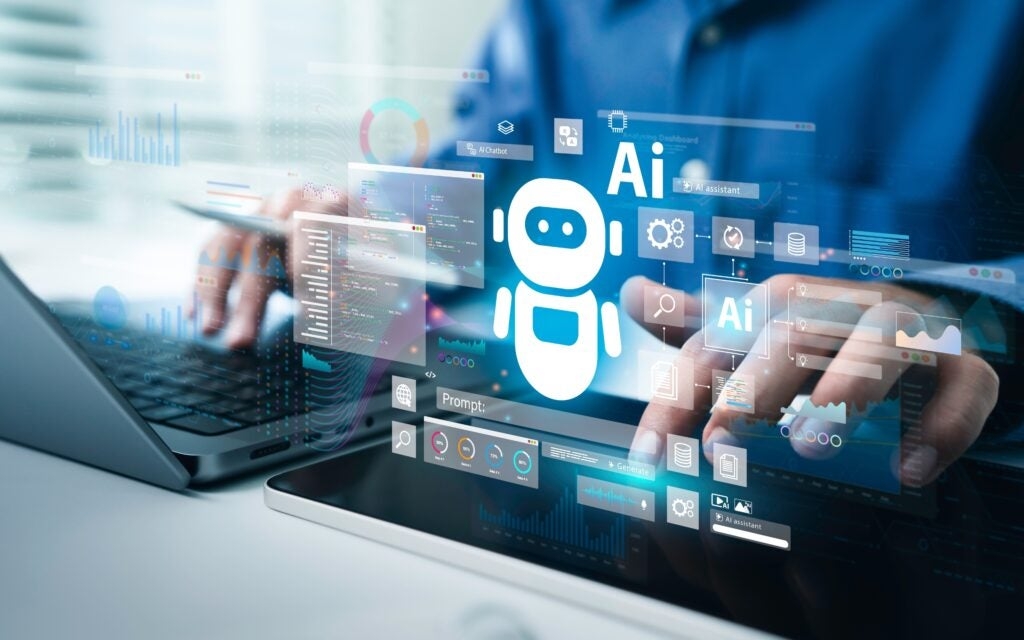
Photo courtesy: Shutterstock