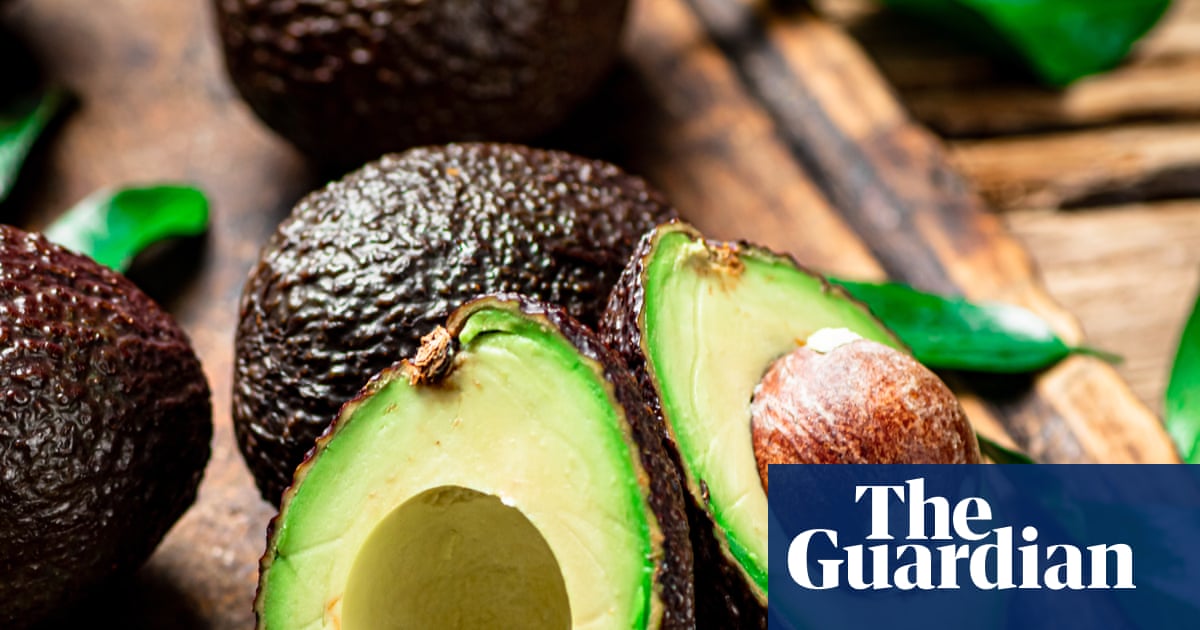
Many American adults today did not grow up enjoying avocados, yet our love for this fruit has grown tremendously over the years. In 1990, the U.S. imported a mere 38 million pounds of avocados; by 2023, that number skyrocketed to 2,789 million pounds, predominantly from Mexico.
On average, each person consumes around 20 avocados yearly, totaling about 9 pounds—this is a remarkable six-fold increase from 1998. The upcoming Super Bowl game alone drives an immense demand for avocados, with Americans anticipated to consume nearly 280 million pounds, marking a record high.
Whether it be in avocado toast, California rolls, or Cobb salads, the answer from Americans is a resounding “yes.” The appeal lies not only in the fruit’s rich creaminess but also in its presumed health benefits. Avocados have earned the reputation of being a superfood, but what exactly contributes to this status?
What is the Nutritional Makeup of Avocados?
A medium Hass avocado contains around 320 calories and 30 grams of heart-healthy, monounsaturated fat. A typical serving is about 50 grams, equivalent to a third of a medium avocado; however, portion sizes can be adjusted based on individual calorie needs (for example, someone consuming a 2,000-calorie diet would require approximately 44 to 78 grams of total fat).
Monounsaturated fat not only helps lower cholesterol, reducing the risk of heart disease, but it also aids in the absorption of vitamins found in avocados, such as vitamins A, D, and folate, as nutritionist Dalina Soto explains. This fat can facilitate the delivery of nutrients into our bloodstream.
Additionally, avocados are a rich source of fiber, containing about 14 grams in one fruit—roughly half of an individual’s daily needs. Soto notes that avocados provide both soluble fiber, which nourishes gut bacteria and supports blood sugar regulation, and insoluble fiber, which promotes healthy digestion and gut movement. Both types are vital for maintaining metabolic health.
In addition to healthy fats and fiber, avocados are loaded with vitamin E, an antioxidant that supports immune function and skin health. They also contain lutein, a carotenoid that accumulates in the eyes and may help reduce the risk of age-related issues like macular degeneration and cataracts, as noted by research from Tufts University research.
Interestingly, studies have indicated that daily avocado consumption is associated with sharper memory and improved attention in older adults, signifying that this fruit could be a beneficial addition to a cognitively supportive diet.
Can Avocados Support Weight Loss?
A 2021 randomized controlled study discovered that families consuming more avocados (14 per week, compared to just three) noted a decrease in overall calorie intake and improved dietary quality over six months, as explained by Dr. Lorena Pacheco, lead author of the study and nutritional epidemiologist from the Harvard TH Chan School of Public Health and UC San Diego.
Families with higher avocado consumption appeared to shift towards healthier eating patterns, according to Pacheco.
She believes several factors contributed to these results. For instance, fiber-rich avocados are “known to help people feel fuller for longer,” which can lead to unintentionally reduced calorie intake.
However, it is interesting to note that the reduction in calories did not result in weight loss among study participants. This implies that the lifestyle adjustments were either insufficient for bringing about changes in waist circumference or BMI, or that more time than the six-month study duration was necessary for effects to emerge.
Nonetheless, it is possible that adding avocados to meals led families to swap out less healthy food choices. For instance, they might have replaced high-sugar or saturated fat foods, using avocado as a spread instead of mayonnaise.
High consumption of saturated fat can negatively impact cardiovascular health, increasing “bad” LDL cholesterol and promoting plaque formation in arteries. Transitioning from saturated fats to healthier options such as olive oil, nuts, seeds, or avocados can be beneficial. Research from 2022, conducted by Pacheco, reveals that individuals who consume avocados twice a week or more could reduce their risk of heart disease by up to 21%, especially when replacing harmful fats like butter or processed meats.
Is It Ecologically Responsible to Eat Avocados?
The majority of avocados consumed in the U.S. are cultivated year-round in the Michoacán region of Mexico. However, this cultivation has historically been linked to illegal deforestation, adversely affecting local biodiversity and habitats for monarch butterflies. It is estimated that approximately 49,400 acres (an area roughly the size of a mid-sized city) were lost to avocado orchard expansion from 2018 to 2024, according to Mexico’s Secretary of Environment and Natural Resources, Alicia Bárcena Ibarra.
Fortunately, there are initiatives in place to mitigate future deforestation. The Mexican government, along with the Association of Avocado Exporting Producers and Packers, has introduced a deforestation-free certification program in 2024, which monitors adherence to environmental laws and protects critical ecological areas. Kimin Cho, a PhD candidate at the University of Hawai’i at Mānoa who studies the sustainability of Mexico’s avocado supply chain, explains that this certification will involve third-party auditors to ensure better governance.
Starting in January, avocados from Mexico will be required to comply with deforestation-free criteria for export. While this initiative may not resolve all environmental concerns associated with avocado agriculture, it does signify a step towards more sustainable practices.


