 Exciting times ahead! Trump is victorious!
Whether you raise a glass in celebration or offer a hopeful prayer, the choice is yours—reflecting your individual views. There are moments to indulge and moments for introspection; perhaps we are entering into a blend of both.
“This will genuinely mark the golden age of America,” Trump stated.
We extend our best wishes to the President-elect as he embarks on this ambitious journey. Much effort is needed to restore America’s former glory, primarily by addressing the extensive damage left in the wake of past administrations.
There looms the potential for a significant economic reckoning, stemming from over a century of impulsive and short-sighted decisions—decisions that may unfold during Trump’s time in office. Perhaps this is why the Democratic Party chose Harris and Walz, two less favorable figures, to lead their ticket.
Amid challenges, a scapegoat is often needed when things go awry. The media elites will likely point fingers and place the blame squarely on Trump’s shoulders. He fits the role of a convenient target all too well. Continue reading
 With the presidential election less than a week away, the question arises: Will Trump emerge victorious, or will Harris take the lead?
Mainstream media brands it as a tossup. However, current indicators suggest Trump may have the upper hand, particularly from Wall Street’s perspective.
However, life is full of uncertainties, especially when it comes to presidential elections. Anything can transpire on election night—ballot tampering, irregularities, and unexpected surprises abound.
What will create doubt in the election outcome this time? Furthermore, how will voters respond if the results conflict with their expectations? Will discontented supporters from the losing side resort to chaos in the streets?
What about stocks? Have markets already anticipated a Trump victory? If so, should we expect share prices to soar in celebration, or could we see a downturn due to a “buy the rumor, sell the news” trend?
If Harris prevails unexpectedly, will the stock market decline? And if so, could this present a strategic buying opportunity? Continue reading
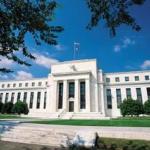 The dire state of America’s finances can be attributed to significant debt, mounting deficits, and exorbitant interest payments—a situation crafted by a consistently incompetent government. Years of excessive spending are now manifesting in unsettling ways.
The Treasury Department recently released its monthly report, detailing revenues and expenditures through September 2024. This report is particularly noteworthy as it offers a comprehensive view of the fiscal year’s final results. So, where do we stand following yet another extravagant year?
For FY2024, the U.S. Treasury collected $4.92 trillion, but disbursed $6.75 trillion, leading to a deficit of $1.83 trillion, which was financed through borrowing.
As expected, the largest expenditure was for social security, totaling $1.4 trillion, followed by healthcare at $912 billion. Notably, net interest on the debt came in at $882 billion, surpassing both Medicare ($874 billion) and national defense ($874 billion).
This increase in net interest on the debt during FY2024 was largely a result of rising interest rates. To put this in perspective, net interest on the debt was $659 billion in FY2023 and just $475 billion in FY2022—an alarming 85 percent increase from just two years prior. Continue reading
 The narrative throughout the year from the Federal Reserve and the Treasury has been that consumer price inflation is steadily declining and will soon align with the Fed’s target of 2 percent. This recent surge in inflation was merely a temporary hurdle on a path towards renewed prosperity.
On September 18, the Fed expressed confidence in its position, lowering the federal funds rate for the first time since March 16, 2020, and making a significant cut of 50 basis points.
The stock market has experienced a remarkable upturn in the weeks that followed, with the S&P 500 rising over 220 points and reaching new historical highs.
Consequently, stock valuations have surged. The Buffett indicator—a measure of total market capitalization against gross domestic product—has surpassed 200 percent. A balanced market would ideally have this ratio between 107 and 131 percent, while anything above 155 percent is considered significantly overvalued.
While the Fed’s rate cuts may be a boon for stock market investors today, they are disastrous for ordinary Americans striving to manage their financial obligations. In fact, last week’s CPI report suggests that the Fed may have miscalculated its timing. Continue reading
In conclusion, these developments present a dynamic and complex landscape for America’s future. As the nation stands at a pivotal moment, the decisions made now will shape not only the economy but also the everyday lives of its citizens. The next steps taken will be crucial in determining whether we truly enter a golden age or face unprecedented challenges ahead.