Samuel Boivin | Nurphoto | Getty Images
This year’s Super Bowl promises a groundbreaking showcase of artificial intelligence companies, with major players investing significantly in advertisements. These ads aim to highlight their tools for both consumers and businesses, reaching an anticipated audience of up to 130 million viewers.
The costs for Super Bowl ads have soared to a record average of $8 million for a 30-second spot, with some going for as high as $10 million, not including the additional production costs. Tech giants and startups alike are eager to seize this lucrative opportunity to be featured prominently in a national conversation.
The rivalry began the week before the Super Bowl when Anthropic’s Claude released an ad criticizing OpenAI’s decision to incorporate ads in ChatGPT. This bold move prompted a response from OpenAI CEO Sam Altman, drawing further attention to the campaign. OpenAI is making a return to the Super Bowl this year after its inaugural campaign—a 60-second spot—last year.
However, it’s not just Anthony’s Claude and Altman competing for attention; major AI companies are all vying for their spots in the spotlight. Their participation has resulted in a noticeable shift, as some traditional advertiser categories, particularly in the automotive sector, are scaling back.
Google is returning for a second year to promote its Gemini AI, having previously showcased features like the Pixel’s “Guided Frame” and “Magic Eraser.”
Amazon is addressing AI concerns in the home with a humorous ad featuring Chris Hemsworth, highlighting potential risks associated with AI. Meanwhile, Meta, unlike others, is focusing its spots on its Oakley Meta AI glasses, which offer access to its AI capabilities.
Several smaller AI startups are also seizing the Super Bowl opportunity to introduce their innovative products to a larger audience.
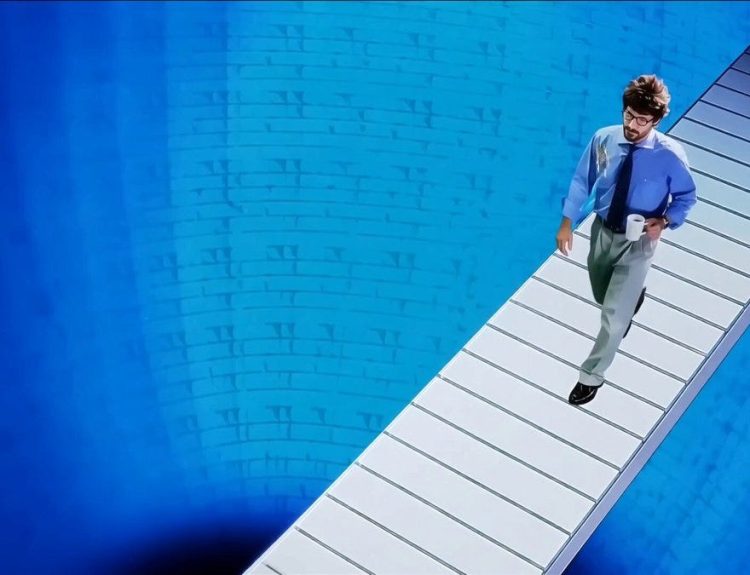
Startup Genspark is promoting its AI productivity platform in an ad featuring Matthew Broderick. Base44 is highlighting its AI-driven app development tool, claiming that anyone can use its products to create customized applications. Additionally, Wix, known for simplifying website creation, will unveil its new AI-powered platform named Harmony, designed to enhance web design.
Another smaller player, Artlist.io, is using AI tools for consumers in its 30-second ad, which prominently features the technology. The completely AI-generated advertisement boasts that it was created for merely a few thousand dollars within just five days after purchase.
This trend reflects a growing number of companies, even those outside the tech industry, leveraging AI technologies to craft their advertisements this year.
Svedka Vodka is making its first Super Bowl appearance in decades following a previous ban on liquor campaigns, reintroducing its Fembot character from the early 2000s, this time utilizing AI that mimics TikTok dance trends. (Absolut is also joining the lineup with a significant ad of its own.)
Some applications of AI are even subtler; for instance, Xfinity has employed AI to digitally de-age the cast of Jurassic Park in a new commercial.
With Super Bowl ad production costs generally starting around $1 million, and often exceeding that amount—especially with celebrity cameos costing millions—the reaction to this year’s advertisements will likely influence the future of high-profile ad production.