
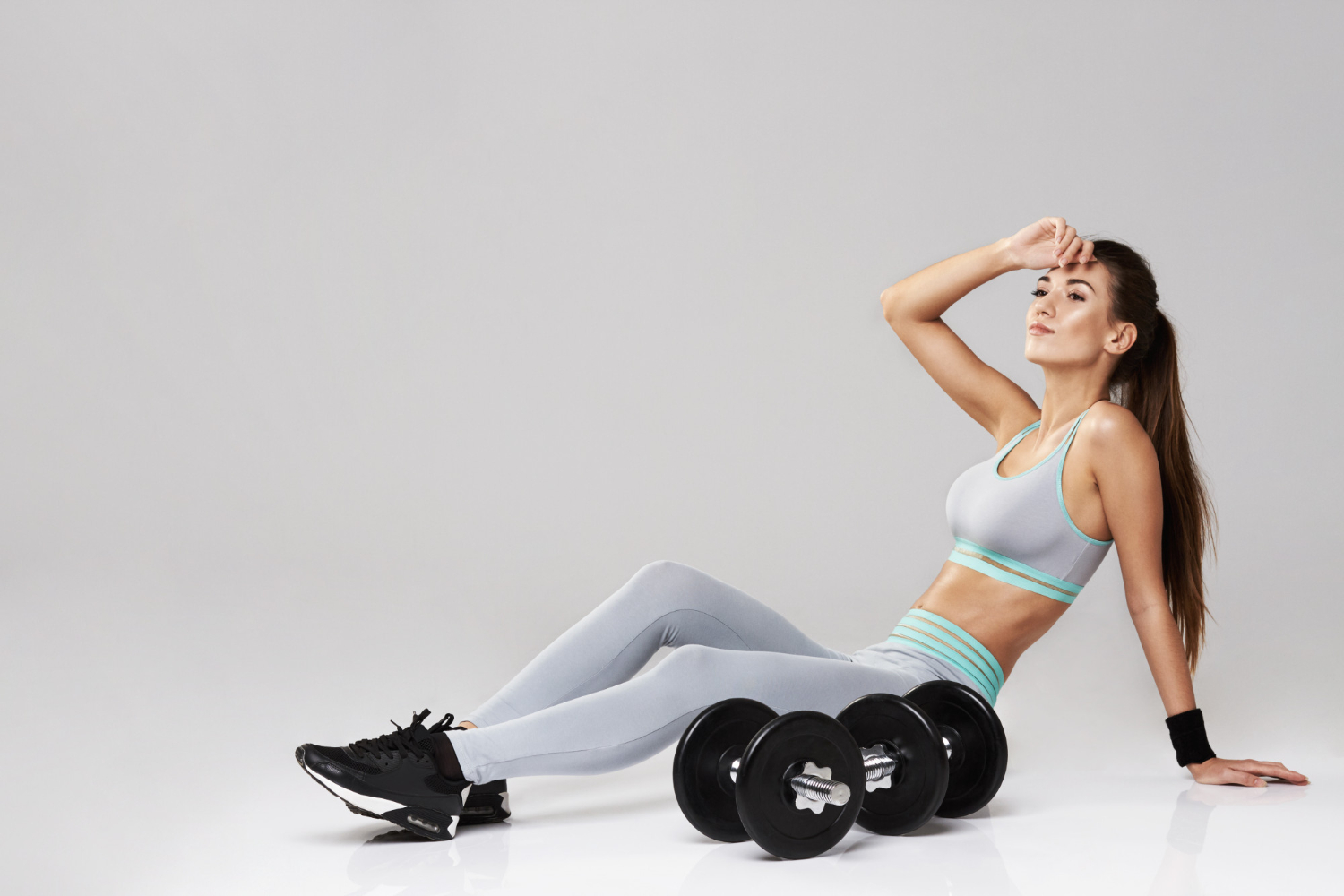
Fitness
A growing shift toward sustainable, data-driven fitness is changing how individuals and organizations approach long-term physical and mental well-being.
KOLKATA, WEST BENGAL, INDIA, February 6, 2026 /EINPresswire.com/ — The fitness landscape is currently experiencing a significant transformation as more individuals and organizations move away from extreme workout regimes and toward sustainable, science-based approaches for overall well-being. This change signifies a broader understanding that achieving long-term health relies on consistency, recovery, and personalization rather than sheer intensity.
Today’s fitness routines focus not just on weight loss and muscle gain but also encompass vital areas such as mobility, mental resilience, metabolic health, and injury prevention. This holistic approach is reshaping how fitness programs are crafted and implemented across various demographics.
One noteworthy trend is the rise of “intelligent movement.” Rather than adhering to generic, high-impact workouts, individuals are adopting fitness plans tailored to their personal lifestyles, physical capabilities, and stress levels. Low-impact strength training, functional mobility exercises, and hybrid routines that meld cardio, flexibility, and mindfulness are becoming increasingly popular.
Technology is another driving force behind these evolving fitness habits. Wearable devices and digital platforms have transitioned from merely tracking steps and calories to monitoring vital metrics like recovery, sleep quality, and heart rate variability. This data-driven strategy enables users to train more effectively, reducing the risk of burnout and overtraining.
Corporate wellness programs are also adapting to these evolving trends. Many organizations are incorporating structured fitness breaks, ergonomic education, and movement-oriented wellness initiatives into the workday. The focus is expanding beyond just boosting productivity to fostering long-term employee health and lowering healthcare costs.
Moreover, recognizing the importance of mental health is becoming a cornerstone of contemporary fitness. Research increasingly underscores the connection between regular physical activity and benefits such as reduced anxiety, improved cognitive function, and enhanced emotional balance. Consequently, modern fitness programs often integrate breathing techniques, recovery sessions, and stress management alongside traditional workouts.
Nutritional guidance within fitness circles is similarly progressing. Instead of restrictive diets, there’s a growing emphasis on sustainable eating habits that promote energy, recovery, and metabolic health. This comprehensive view links physical training with overall lifestyle wellness, nurturing long-term adherence over fleeting results.
Public health experts believe this transition indicates a crucial cultural shift. Fitness is increasingly recognized as a lifelong journey rather than a fleeting goal. By embracing intelligent movement, recovery, and mental well-being, individuals are reimagining what it means to be fit in the contemporary world.
As the fitness industry continues to evolve, this balanced and inclusive approach is set to influence future policies, programs, and innovations. The overarching message is clear: fitness is no longer about relentless effort at any cost, but about fostering strength, resilience, and health that stands the test of time.
In conclusion, embracing a sustainable approach to fitness—one that values consistency, recovery, mental wellbeing, and a balanced diet—can lead to a healthier, more fulfilling lifestyle. This paradigm shift is an invitation to redefine our understanding of fitness, prioritizing long-term progress and holistic wellness over temporary, high-intensity pursuits.
Uttam Swarnakor
FreakToFit
+91 97487 50931
email us here
Visit us on social media:
LinkedIn
Legal Disclaimer:
EIN Presswire provides this news content “as is” without warranty of any kind. We do not accept any responsibility or liability
for the accuracy, content, images, videos, licenses, completeness, legality, or reliability of the information contained in this
article. If you have any complaints or copyright issues related to this article, kindly contact the author above.