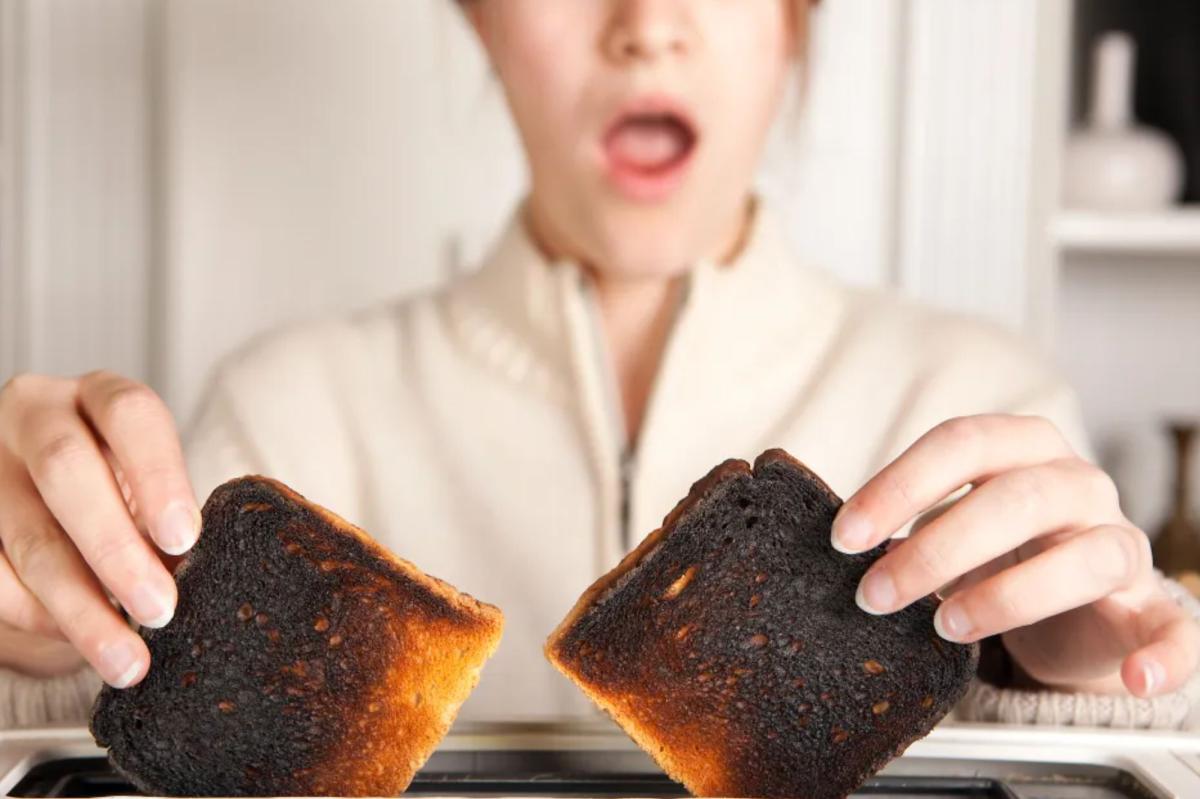
The chilly air outside often makes us crave warm, hearty meals. Yet, while indulgence is tempting during the months of November to January, it’s vital to remain mindful of what we eat. High-calorie, comforting foods can contribute to winter weight gain, but it’s essential to ensure that our meals are not overly charred, as this poses health risks.
Deliciously cooked foods can be enjoyable, yet those that are burnt or excessively roasted carry certain hazards. These cooking methods can create harmful chemical compounds that may cause alterations in our DNA, thereby increasing cancer risks.

According to Christine B. Ambrosone, a noted cancer prevention expert at Roswell Park Comprehensive Cancer Center, “Burning food, particularly meats, creates carcinogens—substances identified in laboratory settings that can cause cancer.” Scientists have extensively examined the effects of eating charred food.
High temperatures during cooking methods such as charring or grilling can lead to the creation of two notable carcinogens: polycyclic aromatic hydrocarbons (PAHs) and heterocyclic amines (HCAs).
HCAs form with a reaction between amino acids, creatine, and sugars in muscle meats at temperatures exceeding 300 degrees Fahrenheit, while PAHs arise when fats and juices from meats catch fire, releasing smoke that coats the meat.
Burning starchy foods like bread, potatoes, or root vegetables results in high acrylamide levels. This occurs from a chemical reaction between the amino acid asparagine and reducing sugars like glucose or fructose at temperatures above 248 degrees Fahrenheit.
While PAHs, HCAs, and acrylamide are well-documented carcinogens in animal studies, the impact of these substances on human cancer risk remains ambiguous.

Ambrosone also highlights that although some studies indicate a correlation between consuming burnt foods and the development of certain cancers, such as colon tumors and links to breast cancer, definitive evidence in humans remains scarce.
Burnt food is not just a potential cancer risk; it can also lead to digestive issues and irritate the stomach lining, which may result in discomfort or even acid reflux.
Furthermore, excessively browned food can destroy essential, heat-sensitive nutrients including the water-soluble vitamins B and C, as well as delicate antioxidants.
Ambrosone states that while having burnt food occasionally is likely acceptable, frequent consumption should be avoided.
How to Avoid Burning Your Midnight Snacks
Registered dietitian Erin Queno from Hartford HealthCare Digestive Health Institute in Connecticut, offers several practical tips to keep your meals from becoming overly charred.
- Cook to a golden brown hue: Aim for a light brown rather than a blackened result.
- Turn meat frequently while cooking to prevent it from charring.
- Trim away burnt parts: Carefully cut off or scrape away any blackened sections of your food.
- Select leaner cuts of meat: Less fat means fewer PAHs produced during cooking.
- Marinate meats: Incorporating spices and herbs can help diminish HCA production.
- Modify your cooking methods: Cooking at lower temperatures or for shorter durations and opting for boiling or steaming can be beneficial.
Queno advises that maintaining a balanced diet loaded with fruits, vegetables, whole grains, and lean proteins while minimizing processed foods is crucial for overall health. “This type of diet provides important nutrients, fiber, and antioxidants that support energy levels, immune function, and healthy digestion, while also lowering the risk of chronic diseases,” she concludes.


