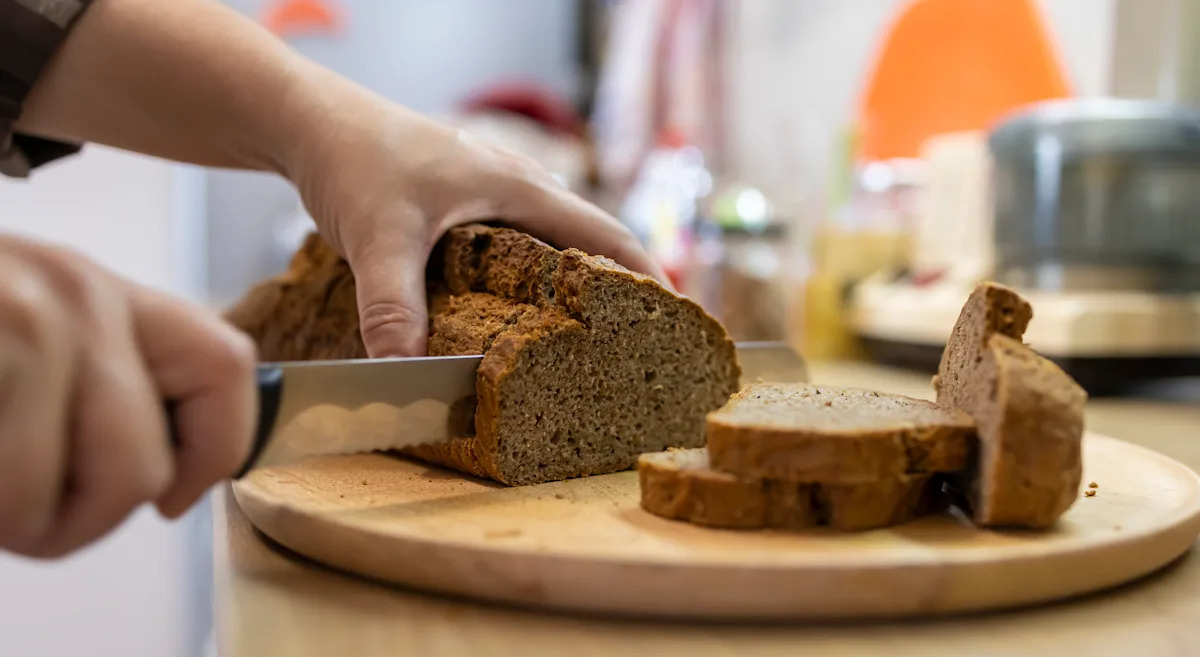
Bread holds a significant place in the diets of many people in the UK. For countless households, it remains a staple purchased weekly, serving as a daily essential, from morning toast to lunchtime sandwiches.
On average, Brits consume the equivalent of 60 loaves of bread per person each year, as reported by UK Flour Millers.
When it comes to preferences, white bread tops the list, being favored by 29% of respondents from a 2024 YouGov poll. Next in line are seeded or granary bread (27%), sourdough (16%), and brown or wholemeal bread (13%).
While all types of bread provide a source of carbohydrates, brown bread is often perceived as the healthier option. It frequently contains higher fiber and nutrient levels, including vitamin B, calcium, and iron, all of which can diminish during the refining process of white flour.
However, not all loaves that appear wholesome are as nutritious as expected. Some may only marginally exceed white bread in nutrition, containing similar amounts of refined flour, salt, and sugar.
Nutritionists emphasize that the key is understanding the ingredients. Here’s how to make a more informed choice.
How to select a healthier brown loaf
A common misconception about brown bread is that its color alone indicates its quality.
“While brown bread is often regarded as a healthier option, not all varieties provide equal nutrition,” shares nutritionist Jenna Hope to Yahoo UK.
Some commercially produced loaves are crafted with refined white flour and then tinted with ingredients like malted barley flour or food colorings.
Even if they appear brown, much of the grain’s natural fiber has been stripped away during processing, making them look nutritious while often not being so, according to Hope.
To make the most nutritious choice, it’s essential to scrutinize the ingredients list.
What to check on the label
Malts and color additives
“Typically, lower-quality, highly processed breads will include added malts or dyes,” says Hope, who also highlights looking for malted flakes in the ingredients. “Be cautious of natural colorings as well, as they indicate the bread has been artificially dyed,” she cautions.
Fiber content
Hope notes that fiber content is one of the most telling indicators. “Genuine brown bread should have a higher fiber content than other types,” she explains.
Fiber aids digestion and helps in maintaining satiety, with authentic wholemeal bread typically containing around two to three times more fiber per slice than white bread.
Short ingredient lists and whole grain flour
When selecting bread, aim for loaves with a brief and straightforward ingredient list, particularly those made with whole grain flour. These typically offer better nutritional value compared to cheaper, heavily processed alternatives, according to Hope.
If price is a concern, she recommends looking for higher-fiber options within lower-cost breads. “Alternatively, consider purchasing smaller quantities of quality bread and use it sparingly,” she suggests.

Brown bread made with intact grains delivers more nutrients.
(Getty Images)
Wholemeal, wholegrain, granary, or sourdough – what’s the difference?
Are you puzzled by the various types of brown bread available? Here’s a quick comparison.
Wholemeal bread
-
Crafted from flour that includes all components of the grain – bran, germ, and endosperm.
Wholegrain bread
-
Uses the whole grain too, but it’s processed differently than wholemeal. It typically appears coarser and denser, with visible bits of grain or seeds.
-
Nutritionally similar to wholemeal, but fiber levels can vary by brand.
Granary bread
-
Contains malted wheat flakes and is often made with a combination of wholegrain and refined flour.
-
Generally more nutritious than white bread, but not always as high in fiber as wholemeal.
Brown sourdough
-
Can be a great option when made with wholemeal or wholegrain flour.
-
Supermarket varieties may still contain refined flour, so it’s crucial to check the ingredients here as well.
How to enhance the health benefits of brown bread
Rather than just swapping your bread, one effective way to increase the nutritional value of brown bread revolves around what you pair it with.
Incorporating fiber, protein, and healthy fats into your meals can promote balance and satiety, which may help prevent overeating later on.
Simple, everyday topping ideas:
🍳 Eggs, which contribute protein and B vitamins.
🧈 Nut butters, providing healthy fats that promote fullness.
🫘 Baked beans or hummus for added fiber and plant-based protein.
🧀 Cheese coupled with vegetables like tomatoes or spinach.
🥑 Avocado or spreads based on olive oil for heart-healthy fats.

Adding eggs, beans or nut butter can boost your slice of toast.
(Getty Images)
Is brown bread suitable for everyone?
Not necessarily. “In rare circumstances, individuals may be advised to follow a low-residue diet, in which case white bread could be the preferable choice,” explains Hope.

Sourdough is often easier to digest than highly processed bread.
(Getty Images)
Due to its quick digestibility, white bread is sometimes suggested during gut flare-ups. In such cases, Hope recommends minimal processing options, such as “a genuine sourdough from places like Jason’s or Bertinet Bakery.”
Additionally, individuals with coeliac disease or wheat allergies or gluten intolerance must avoid gluten-containing breads entirely.