Understanding Teen Skin Care: Navigating the Intersection of Dermatology and Culture
As teenagers transition through this pivotal life stage, their skin evolves in ways that are often overlooked. Recent discussions at the Masters of Pediatric Dermatology 2026 highlighted the complexities of adolescent skin conditions and the factors shaping them. From the influence of a burgeoning skincare market to evolving behaviors, understanding the challenges is essential for anyone looking to support adolescent skin health.
The Landscape of Teen Skin Issues
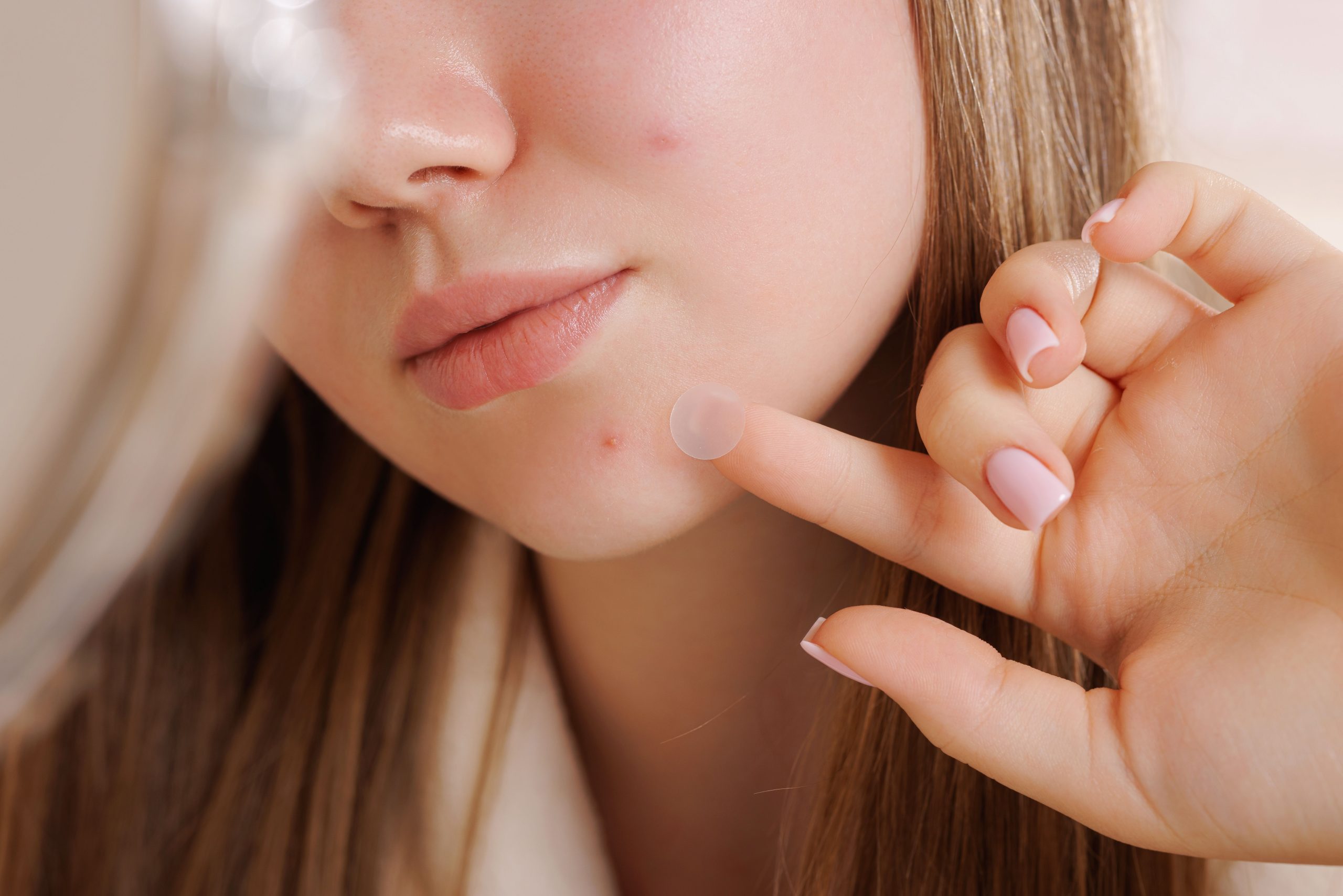
Dr. Nanette Silverberg’s presentation on adolescent atopic dermatitis spotlighted a significant reality: teenage skin problems often don’t occur in isolation. Instead, they frequently overlap with other skin issues, such as acne or seborrheic dermatitis, creating a tangled web that complicates both diagnosis and treatment.
-
Overlapping Conditions: Many teenagers experience atopic dermatitis alongside acne, leading to confusion in symptoms. Areas such as the midface may show signs of both conditions, requiring a nuanced approach to treatment.
-
Hidden Triggers: Fragrance exposure has emerged as a notable culprit behind skin irritations in teens. The popularity of body sprays, cosmetics, and trendy beauty products loaded with fragrances can lead to allergic reactions, underscoring the need for awareness around product ingredients.
The Impact of Hygiene Habits
Silverberg emphasized the vital role of hygiene practices in maintaining skin health among adolescents. She humorously categorized teenage boys into two groups: those who wash their faces and those who do not. However, both extremes pose issues for the skin.
- Balancing Act: Over-washing can strip the skin of its protective barrier, while under-washing can contribute to bacterial overgrowth. The challenge lies in guiding teens toward balanced cleansing routines that improve their skin without causing harm.
Key Areas of Concern
Certain areas of the body, such as the eyelids, lips, hands, neck, and scalp, often experience persistent dermatological issues that may carry into adulthood. Recognizing these early can significantly impact long-term skin health.
- The Atopic March: Silverberg discussed the common misconception of a straightforward progression in skin issues. Instead, she suggests a branching pattern that may include other conditions like asthma and ADHD, highlighting the complexity of adolescent health.
The Influence of Cultural Trends
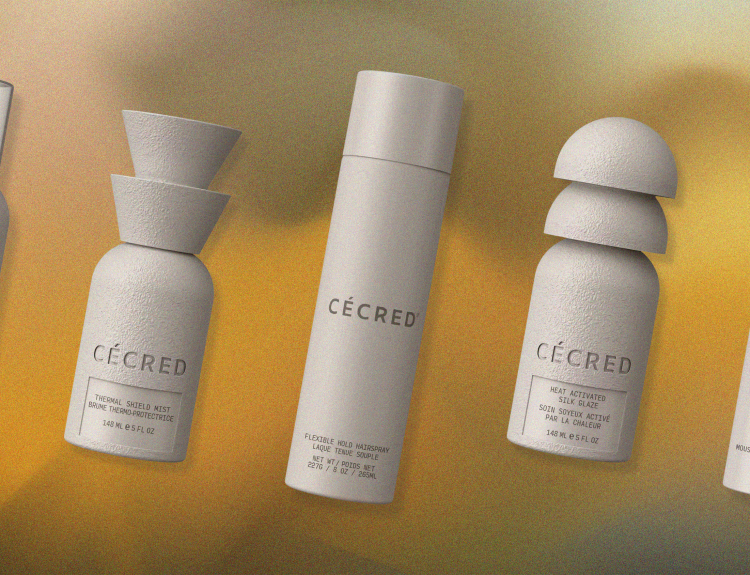
Dr. Lisa Swanson shifted the focus to cultural influences surrounding teen skincare practices. The market for cosmeceuticals—products that straddle the line between cosmetics and pharmaceuticals—has exploded, often without substantial safety data.
- Social Media and Misinformation: With influencers and non-professionals disseminating information on platforms like TikTok and Instagram, young people may adopt complex skincare routines filled with unnecessary products. It’s crucial for teens to learn the difference between effective skincare and marketing hype.
Building Therapeutic Alliances
Both presenters underscored the importance of maintaining open communication with teenagers regarding their skincare choices. Instead of dismissing trends, caregivers and professionals can help young people discern which practices are beneficial and which are not.
- Finding Common Ground: As Swanson aptly noted, clinicians should engage with teens by validating their concerns while gently steering them toward healthier choices.
Conclusion
The insights shared during the “Teen Skin SOS” session provide a valuable framework for understanding adolescent dermatology in today’s fast-paced and digitally influenced world. By focusing on practical approaches and fostering open dialogue, we can help teenagers navigate their skincare challenges more effectively. As they explore their identities and the products available to them, a compassionate and informed perspective will empower them to make better choices for their skin health.