Each new year brings with it a chance to reflect on the past and plan for the future. As we assess our achievements and setbacks from the previous year, we also set our sights on the opportunities that lie ahead.
The spirits industry is no exception to this tradition. The successes and missteps of the past often shape a brand’s strategy for the upcoming year. So, what can we expect in the world of spirits in 2025? Let’s explore the significant trends that are set to emerge.
Oldies but Goodies
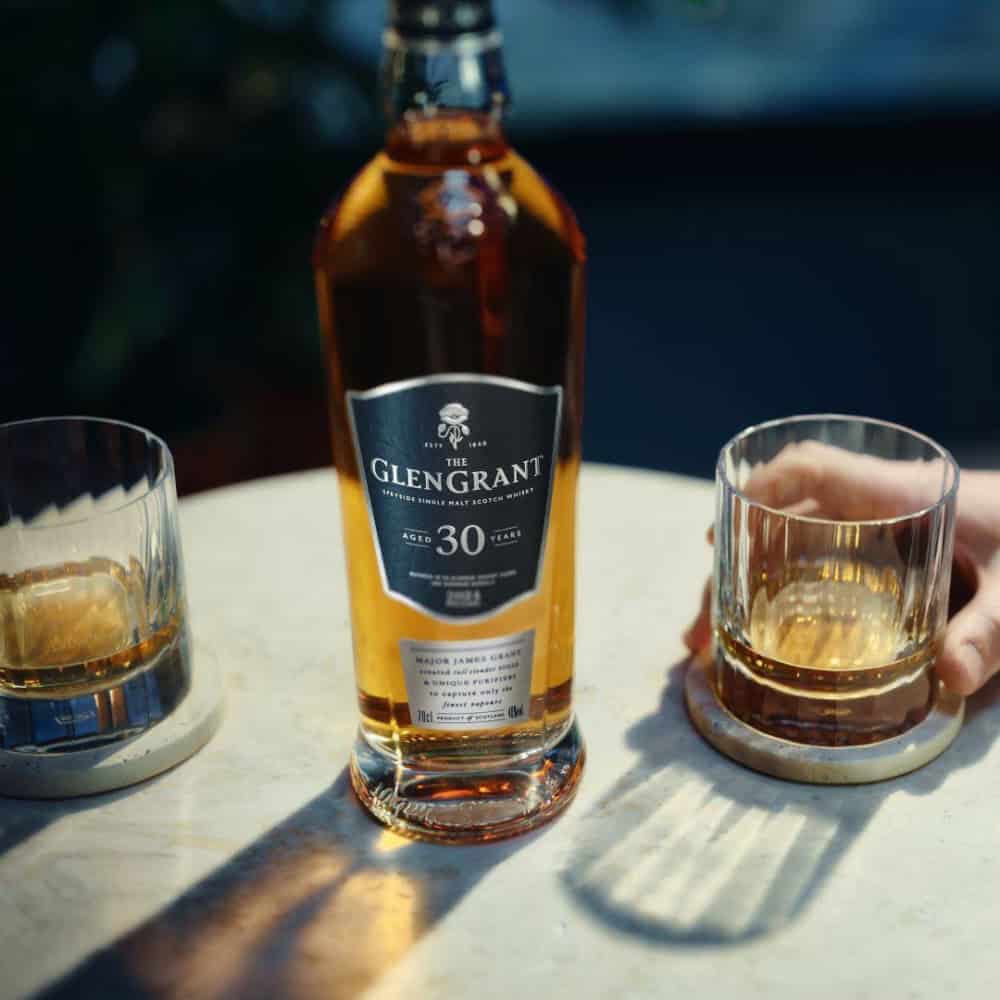
In recent years, the market has seen a surge in non-age-stated whiskies as brands sought to exploit rising sales. However, with a recent decline in global Scotch sales, there’s a noticeable shift back towards age-stated whiskies in both blended and single malt categories.
This return to age-stated whiskies highlights a craving for authenticity and quality—essentials that have long defined Scotch’s reputation. Today’s consumers may be purchasing less, but they focus on savoring every drop. It’s very much about quality over quantity.
“Consumers are increasingly in search of whiskies that tell a story,” remarks Chris Dennis from The Glen Grant distillery in Speyside. “Higher-aged single malts are perfect for delivering that narrative.”
Last year, there were several ‘oldest ever’ releases, and more is expected in 2026. Most of these will likely be affordably priced for the domestic and travel retail markets.
Prepare for an exciting and flavorful journey ahead.
AI Bartenders

As artificial intelligence increasingly permeates our daily lives, its influence on the spirits industry is becoming evident. A notable example can be found at the Johnnie Walker experience in Edinburgh, where visitors respond to a series of questions that tailor their tour and cocktail selections.
But can AI truly create a cocktail worthy of the name? The Axelrad Bar in Houston, Texas, has taken up this challenge with their ‘Humans Vs. Machines’ menu, featuring cocktails designed by ChatGPT alongside those crafted by their skilled bartenders.
The Diageo Bar Academy leverages customer preferences through a similar program to develop the ideal cocktail for each individual palate. Additionally, BarGPT provides a personalized experience, allowing users to concoct a cocktail from chosen ingredients.
While it may not constitute a Terminator-like takeover, AI is poised to become a common presence in bars everywhere—if it hasn’t arrived already.
High Proof
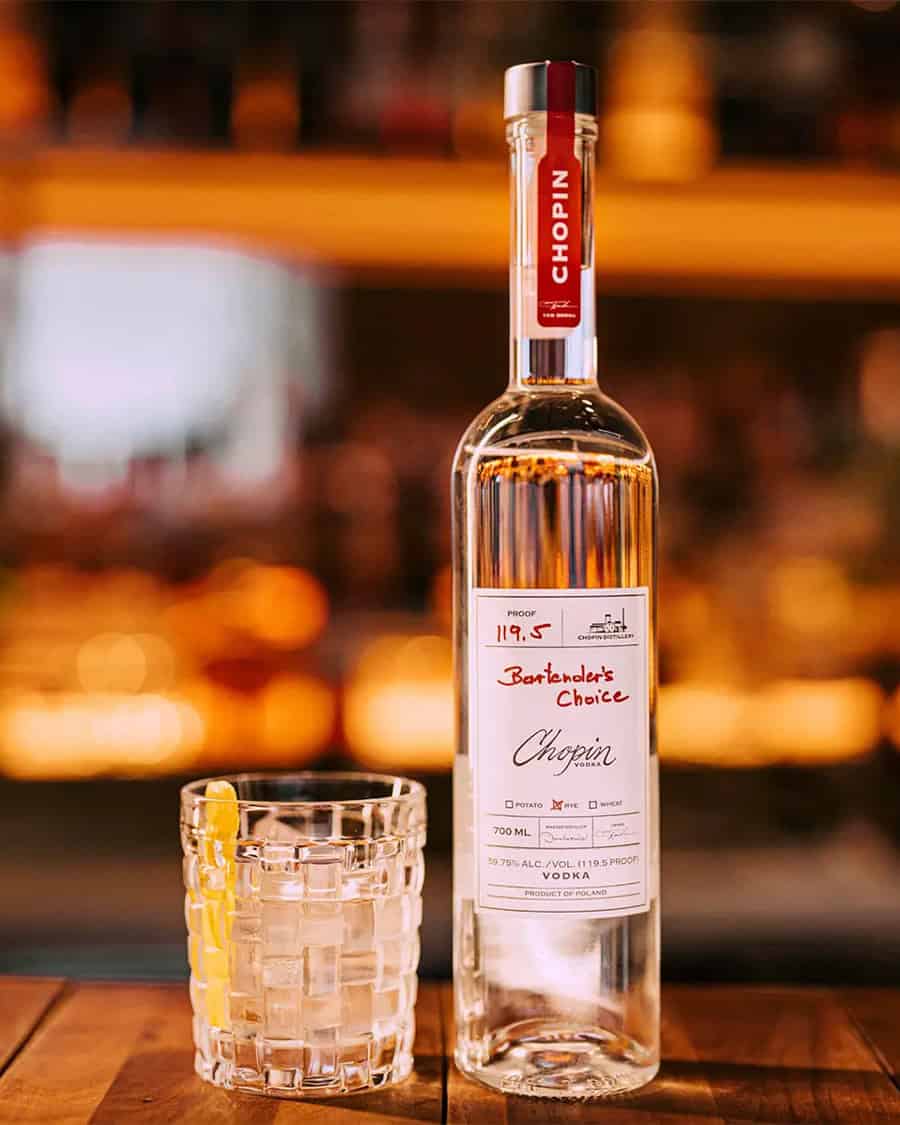
The high-proof segment has been gaining momentum for the past year, with several high-ABV products entering the market. Exceptional offerings include Alto Canto tequila (48% ABV), Bartender’s Choice from Chopin vodka (59.8% ABV), and Ragga Overproof white rum (63% ABV).
Mixologists and bartenders are at the forefront of this trend, seeking innovative ways to elevate cocktail flavor profiles. Using high-ABV spirits enhances the drink’s complexity while mitigating dilution effects in shakers or glasses.
“Due to growing demand, we’re in the process of developing a high-proof vodka,” says Robert Hicks, owner of the Highland Liquor Co. “Increased alcohol content allows flavors to shine and adds depth to cocktails.”
Expect to see significant growth in high-proof vodkas, tequilas, overproof white rums, and navy-strength gins.
Sustainable Distilling
-
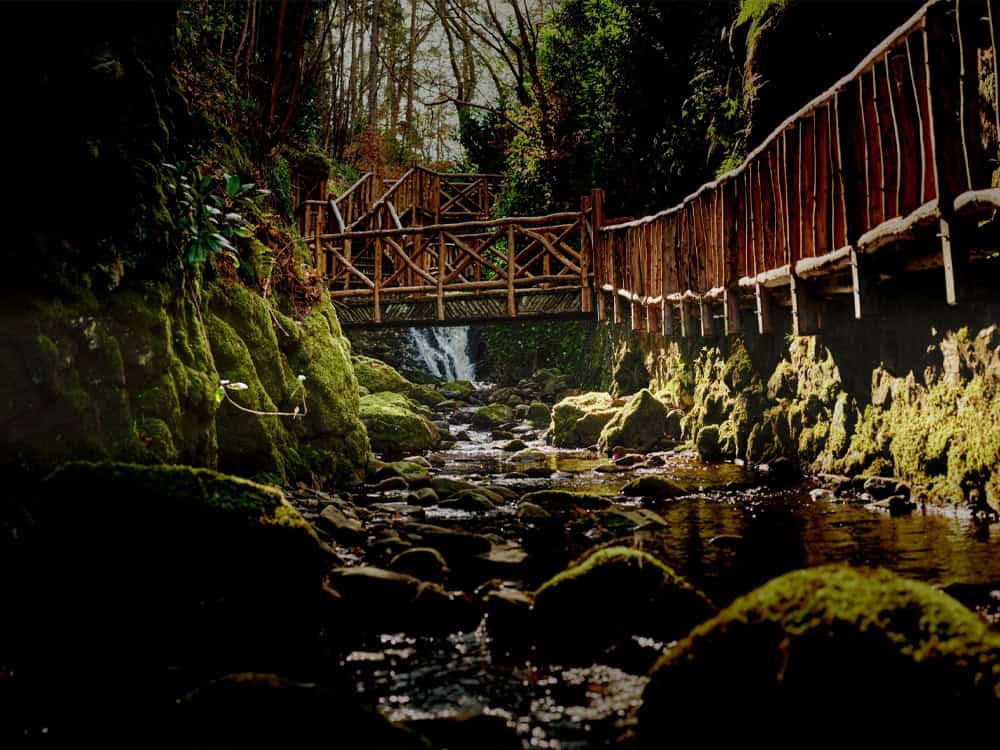
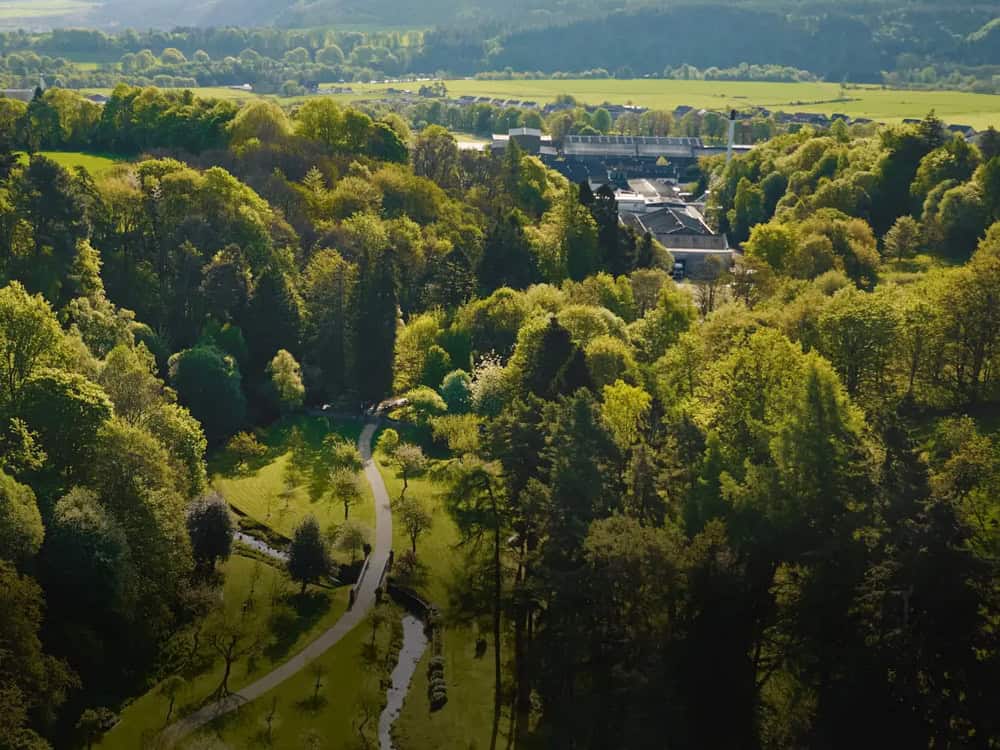
- The Glen Grant Distillery
The methods employed in spirit production around the globe tend to be less than eco-friendly. Processes like fermentation, distillation, peat burning in Scotland, and agave roasting in Mexico all generate heat, and minimizing this output poses a significant challenge, especially in a world grappling with climate change. Strict regulations aimed at achieving net-zero emissions are being put in place across many countries.
Distillers are tackling these challenges directly by adopting sustainable practices, lightweight packaging, and engaging in environmental improvement efforts. In the past decade, new distilleries have been established with these considerations at the forefront, while older ones are retrofitting for enhanced efficiency.
“Our industry’s sustainability strategy aligns us with ambitious goals,” states Ruth Piggin, Director of Industry Sustainability at the Scotch Whisky Association. “We aim to reduce carbon emissions, use water wisely, nurture the land, and contribute to a circular economy. This journey is challenging, but it’s a challenge we must embrace.”
Worldwide Agave
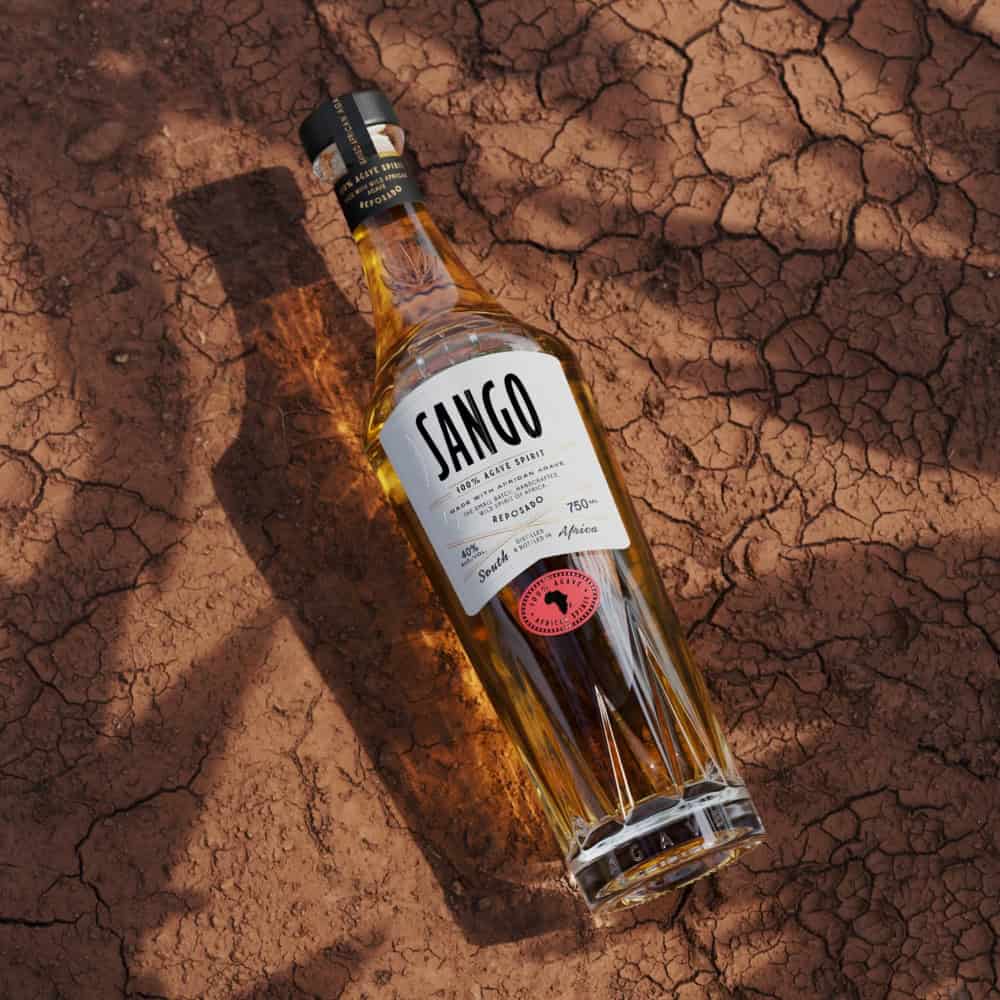
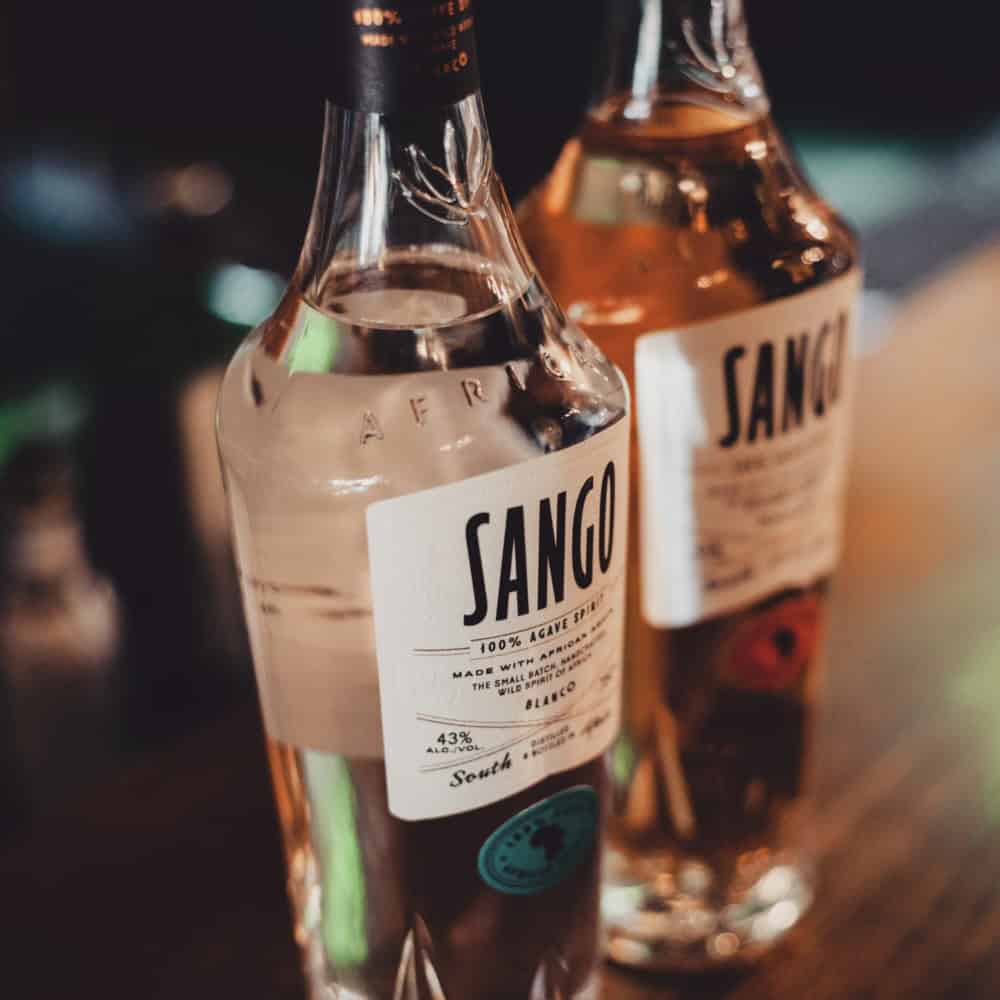
With tequila and mezcal sales showing no signs of slowing, various brands are eager to stake their claim in this expanding market. The ongoing threat of 25% tariffs on Mexican products reinforces this urgency; the U.S. is the largest consumer of tequila, presenting a unique opportunity for others to step in.
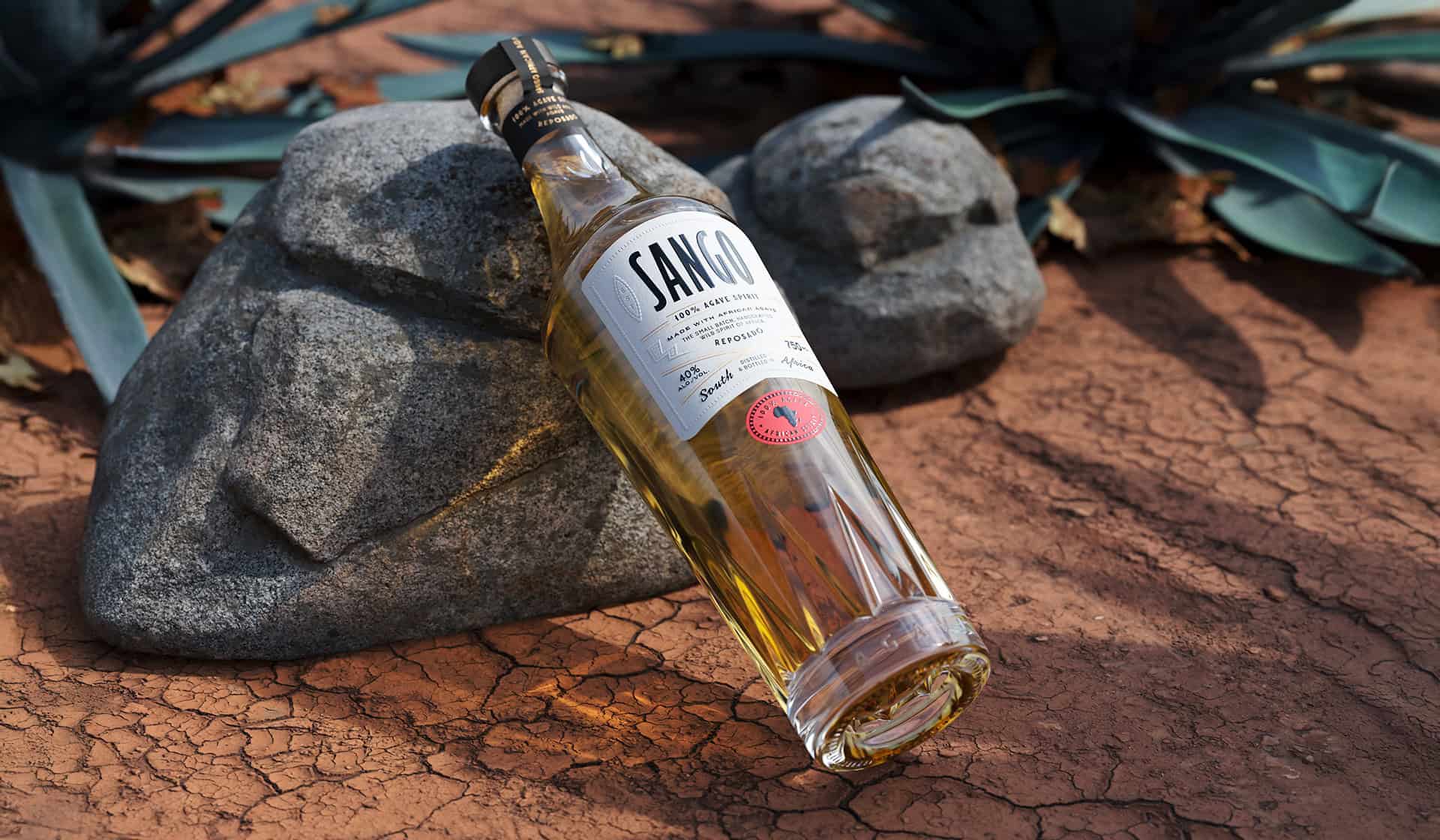
While tequila must originate from a specific geographical region in Mexico, similar environmental conditions for agave cultivation exist elsewhere. New producers are poised to broaden the agave spirits category, which has traditionally been geographically restricted. Expect to see tequila alternatives emerging from regions like Australia, India, South Africa, and California this year.
“We’ve received an overwhelmingly positive response to our new product,” notes Damola Timeyin, co-founder of Sango African Agave Spirit. “Consumers are craving something familiar yet innovative in today’s market.”