Introduction:
The landscape of men’s beauty and skincare is undergoing a significant transformation. As younger generations embrace self-care and skincare products beyond traditional grooming routines, brands must adapt their strategies. This article explores how shifting consumer behaviors, particularly among Gen Z, are reshaping the men’s beauty market and what this means for brands aiming to succeed in this evolving space.
Key Takeaways:
- Practicality and self-confidence drive men’s purchasing decisions over fleeting trends.
- Men often discover beauty products through specific needs (e.g., anti-aging, acne treatment) rather than through traditional grooming products.
- Clear, science-backed messaging and non-gendered marketing strategies will shape the next phase of growth in men’s beauty.
For many years, men’s beauty products followed a predictable path. Grooming focused heavily on shaving, deodorants, and hair care, primarily purchased at drugstores. When skincare was mentioned, it was often framed as an add-on to shaving-related issues like razor burn or irritation. This approach dictated everything from product design to advertising methods.
However, this traditional model is now changing. Younger male consumers are no longer entering the beauty market exclusively through shaving products. They are exploring skincare and wellness on their own terms and frequently outside of traditional retail settings aimed at men.
The Evolution of Entry Points: A Shift in Perception
Historically, shaving served as an accepted gateway to men’s skincare. According to Michael Gilman, CEO of Grooming Lounge and a pioneer in the men’s skincare sector, this acceptance was deeply ingrained in masculine culture. “Shaving was always considered a ‘manly’ task,” Gilman noted. Its assertiveness as a grooming ritual enabled brands to introduce complementary skincare products without challenging traditional gender roles.
Earlier brands framed skincare as solutions to specific problems, emphasizing functionality over enhancement. Products were marketed as remedies for issues like razor burn or under-eye puffiness. This strategy effectively introduced basic skincare into the male consciousness, but it also limited growth potential. Many men viewed skincare as secondary, contributing to a perception of stagnation compared to the women’s beauty market.
Madhav Pitaliya, a senior analyst at Coresight Research, suggests the problem lies in traditional measurements of the market, which tend to focus on comparisons with women’s behavior rather than understanding men’s unique shopping patterns. Men are likely to buy fewer products and prefer multifunctional options, which can shelter the true scope of their engagement with the beauty sector from view.
The Role of Gen Z: A New Perspective on Skincare
Generational shifts are significant in reconceptualizing men’s beauty. While many older males discovered skincare through traditional grooming rituals, Gen Z men are approaching skincare differently—often beginning with preventative care rather than reactive solutions. Pitaliya observes that Gen Z sees skincare as expressive rather than corrective, feeling less constrained by traditional gender norms.
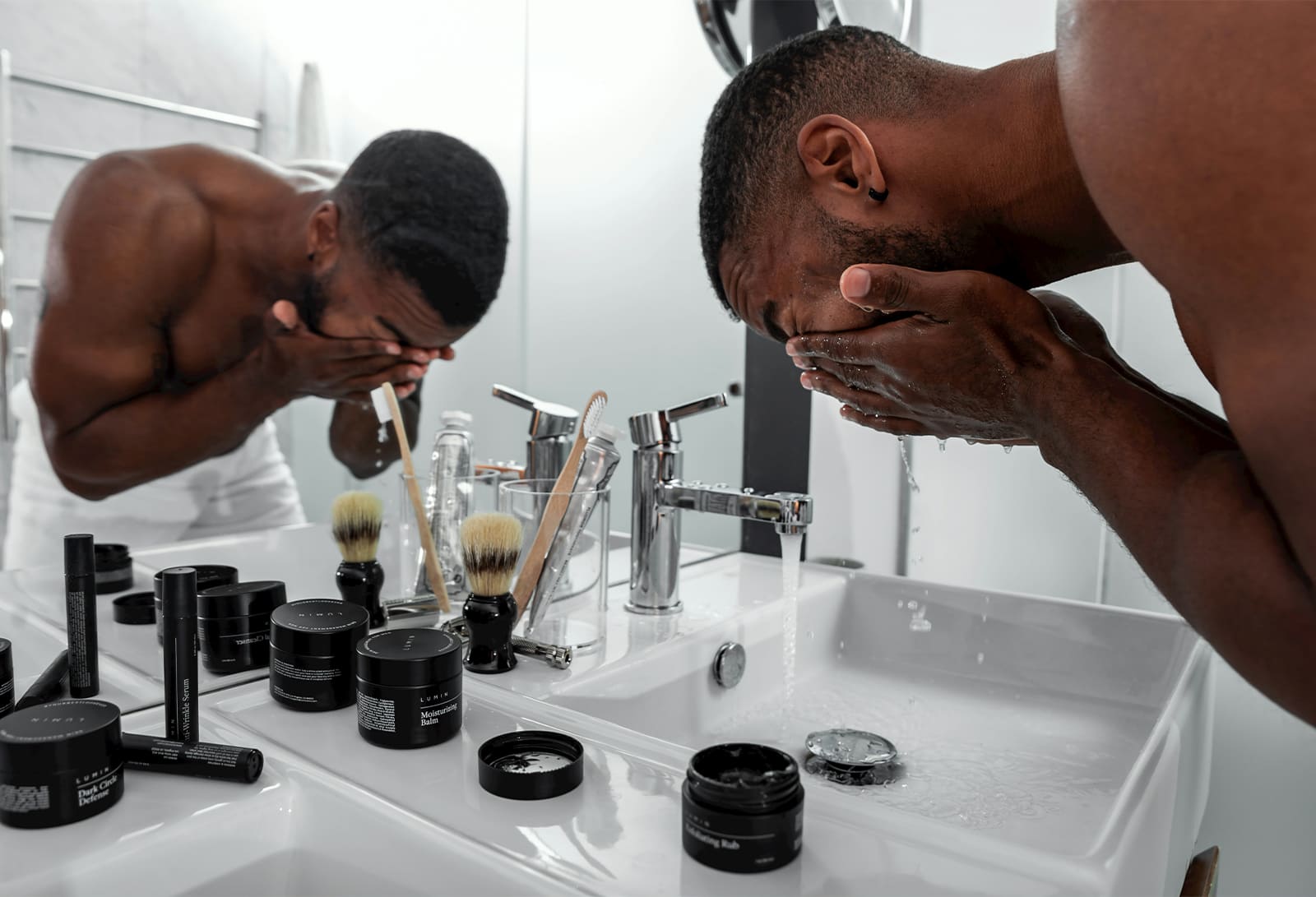
The statistics reflect this change: there is a noted decline in traditional shaving product sales alongside a rise in men’s facial skincare, particularly in categories like cleansers, moisturizers, and sunscreens. More convenient retail options, from drugstores to online platforms, have empowered men to make informed choices about their skincare products.
Shai Eisenman, CEO of Bubble, reports that men are increasingly discovering products based on recommendations from dermatologists or trusted individuals. Once men establish trust in a brand, they show a willingness to integrate more skincare steps into their routines, so long as these steps are straightforward and align with their needs.
Men’s skincare is now a growing market, valued at approximately $231 million and growing consistently each year. Products designed specifically for men are seeing even more rapid growth, driven by high search interest, signaling a proactive engagement with skincare.
The Future of Men’s Skincare: Opportunities Ahead
Despite positive trends, Gilman expresses caution regarding solely male-focused brands. He believes that the future lies in unisex brands that reach a broader audience without isolating any gender. This aligns with investment trends favoring inclusive platforms over niche segments, which often face limitations in market size.
As the industry looks ahead, experts agree that upcoming growth in men’s beauty will come not from lengthy routines but from the convergence of skincare, wellness, and lifestyle products. Men are increasingly willing to invest in treatment products that address broader concerns such as stress and longevity, rather than simply focusing on formulation steps.
For brands, the message is clear: the traditional pathway into men’s beauty through shaving is evolving. Companies must now reach younger consumers where they are—curious, informed, and ready to take control of their beauty choices. As Gilman summarizes, “If it works and meets expectations, men will come back. If it doesn’t, they will look elsewhere.” This structural shift in men’s beauty is not merely a trend; it’s a lasting change in how we view self-care.
Conclusion:
The evolution of men’s beauty is an exciting development in the wellness industry. As younger generations redefine grooming and skincare, brands must adapt by embracing practicality and inclusivity. Whether you’re an industry insider or a consumer, understanding these changes can help navigate the future of men’s skincare, creating opportunities for individuals to feel empowered in their choices. The shift from traditional grooming to a more comprehensive self-care approach underscores the importance of meeting male consumers on their own terms, ultimately leading to a more vibrant and diverse beauty market.