Embracing Fitness at Every Stage of Life: A Journey to Strength and Resilience
Fitness isn’t just a phase; it’s a commitment that evolves throughout your life. Like many, my path to fitness began later than expected. Growing up, I didn’t participate in sports or engage in any structured exercise until I was 18. My initial motivation to join a gym stemmed from a desire to feel better about my body. However, in my 20s and 30s, I developed a passion for running and participated in marathons, chasing endurance goals. As I entered midlife, my approach to health transformed, focusing more on holistic wellness—including nutrition, strength, and longevity. This shift was revolutionary for me.
Discovering the Power of Strength Training
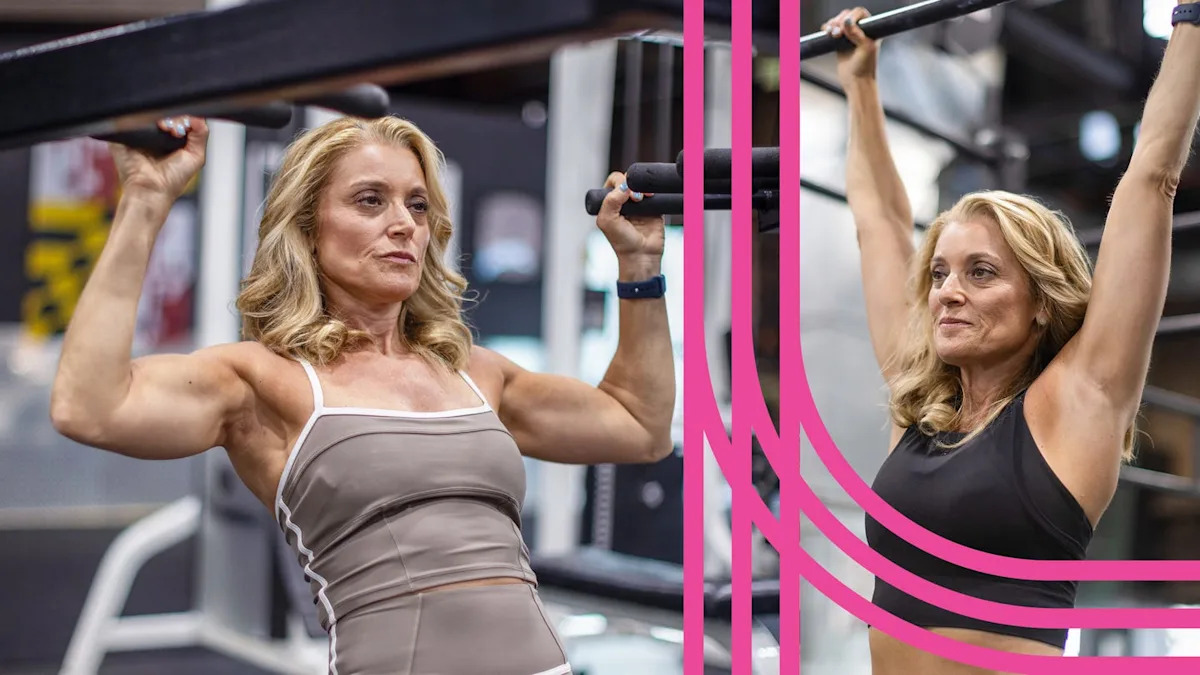
My real dedication to fitness ignited when I discovered CrossFit at 41. Introduced by a friend, I was initially curious but was soon captivated by the exhilaration of lifting heavier weights and building strength. Despite years of consistent workout routines, this was the first time I truly regarded myself as an athlete. With newfound confidence, I began training intentionally, even competing in CrossFit events.
However, it wasn’t just the workouts that kept me going; it was the community. The built-in support system within CrossFit fostered an environment where everyone encourages one another, making the commitment to fitness enjoyable rather than obligatory.
Adjusting to Life’s Challenges
My journey took a significant turn when I entered menopause and was diagnosed with papillary thyroid cancer at age 51. Fortunately, it was detected early and only required surgery. Yet, I found my body—once strong and resilient—felt unfamiliar. My energy and recovery changed dramatically, forcing me to pause and reassess what it meant to be healthy.
A Tailored Approach to Fitness
With my diagnosis and the shifts during menopause, I had to adapt my fitness strategy. Although I didn’t abandon training, I reduced the intensity of my workouts. I continued to lift weights but stepped back from the high-octane CrossFit sessions to allow for better recovery.
Paying closer attention to my nutrition was paramount. I prioritized whole foods and protein, ensuring I provided my body with the nutrients needed for healing and strength retention. This shift in focus not only improved my energy levels and mood but also reinforced my belief in the importance of a consistent self-care routine, especially during challenging times.
Essential Tools for My Training
Here are three workout essentials that have become indispensable to my routine:
1. Weight Lifting Belt
My belt provides crucial support for heavy lifts, such as squats and deadlifts. Check it out here.

2. Ankle Straps
Essential for glute workouts, these straps have significantly increased my lower-body strength. Explore them here.

3. Women’s Nano X5 Training Shoes
These shoes enhance my balance and power during leg day workouts. Find them here.

Training Strategy
Currently, my goal is to strength train five times a week, with a balanced workout split comprising two upper-body and two lower-body sessions, plus one full-body day. I focus on compound movements, employing the progressive overload method to ensure consistent strength gains. Additionally, I aim for 8,000 to 10,000 steps daily and incorporate cardio through the StairMaster once or twice a week.
Rest is equally important to my routine, typically featuring light walking and mobility work to enhance recovery. Each of these elements has contributed to an overall improvement in my fitness journey.
Embracing Change
Through my experience, I’ve learned the significance of prioritizing consistency over intensity. Major life shifts have taught me to approach fitness with intention, focusing on regular workouts rather than pushing myself hard every time.
I’ve also come to value recovery just as much as workout sessions. Ensuring a good night’s sleep and a healthy diet strengthens my body for rebuilding efforts.
Listening to my body has become a crucial aspect of my fitness journey. Rather than pushing limits, I’ve focused on what my body needs on any given day. This intuitive approach has allowed me to feel stronger and more aligned than ever.
In fact, I’ve recently achieved personal bests in terms of strength, reinforcing my belief that age or setbacks don’t define our capabilities. With a consistent and smart approach to fitness and nutrition, women can maintain control of their health at every age.
Conclusion
Entering midlife and menopause doesn’t have to signal a decline in health or fitness. Instead, it can mark a powerful turning point. With the right approach to strength training, nutrition, and recovery, you can feel empowered at any stage of life. Remember, progress comes from consistency, regular movement, adequate nutrition, and knowing when to rest—principles that are achievable at any age. Embrace your journey, stay committed, and witness the incredible things your body can accomplish.