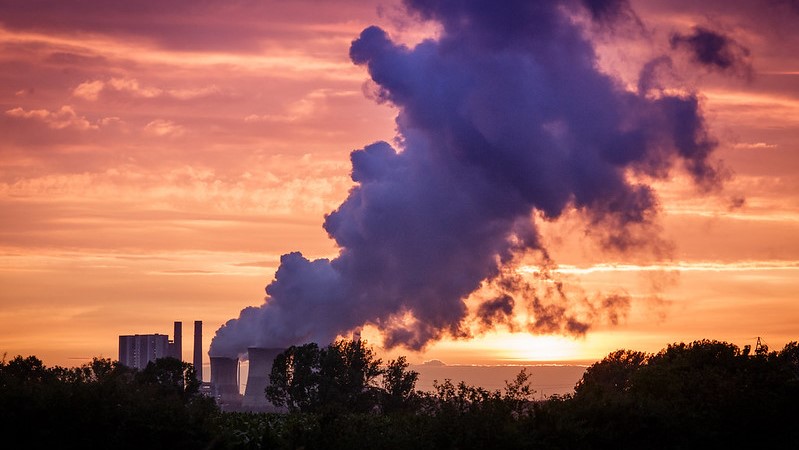
Germany aims to eliminate fossil fuels from its energy sector by 2045, as outlined in a transition roadmap published during the UN General Assembly. The plan emphasizes electrifying transportation, heating, and industrial processes while increasing reliance on renewable sources, which provided 55% of electricity in 2022; the government targets at least 80% by 2030.
Coal-fired power plants, which accounted for nearly a quarter of electricity in 2025, must close by 2038, with potential acceleration to 2035 under consideration. New gas plants funded by the state must be capable of using hydrogen and other climate-neutral fuels by 2045. Concurrently, the government plans to install 2,000 additional wind turbines and enhance battery usage to decrease plant dependency.
German Environment Minister Carsten Schneider advocated for a global commitment to reducing fossil fuel reliance, emphasizing a strategy that supports developing countries in this transition.
To promote electric vehicle adoption, the government is allocating €2.8 billion for subsidizing purchases for lower- and middle-income households, expecting that all new cars will be electric by 2035. For homes, gas and oil heating systems will be replaced with heat pumps, supported by state subsidies, and will increasingly rely on climate-neutral fuels over time.
Mixed reactions followed the roadmap’s release, with some analysts calling for a quicker phase-out and stronger commitments while acknowledging its positive steps. Germany joins France and the Netherlands in publishing a national fossil fuel transition roadmap.


