The Smithsonian’s National Museum of American History has become a focal point of controversy and debate, particularly surrounding its 2021 exhibit “The Electric Dr. Franklin,” which highlighted Benjamin Franklin’s contributions to electrical science while also noting his history as a slave owner. This aspect raised eyebrows, suggesting that Franklin may have utilized enslaved individuals in his research, an assertion that sparked criticism and led to fierce political backlash against the museum.
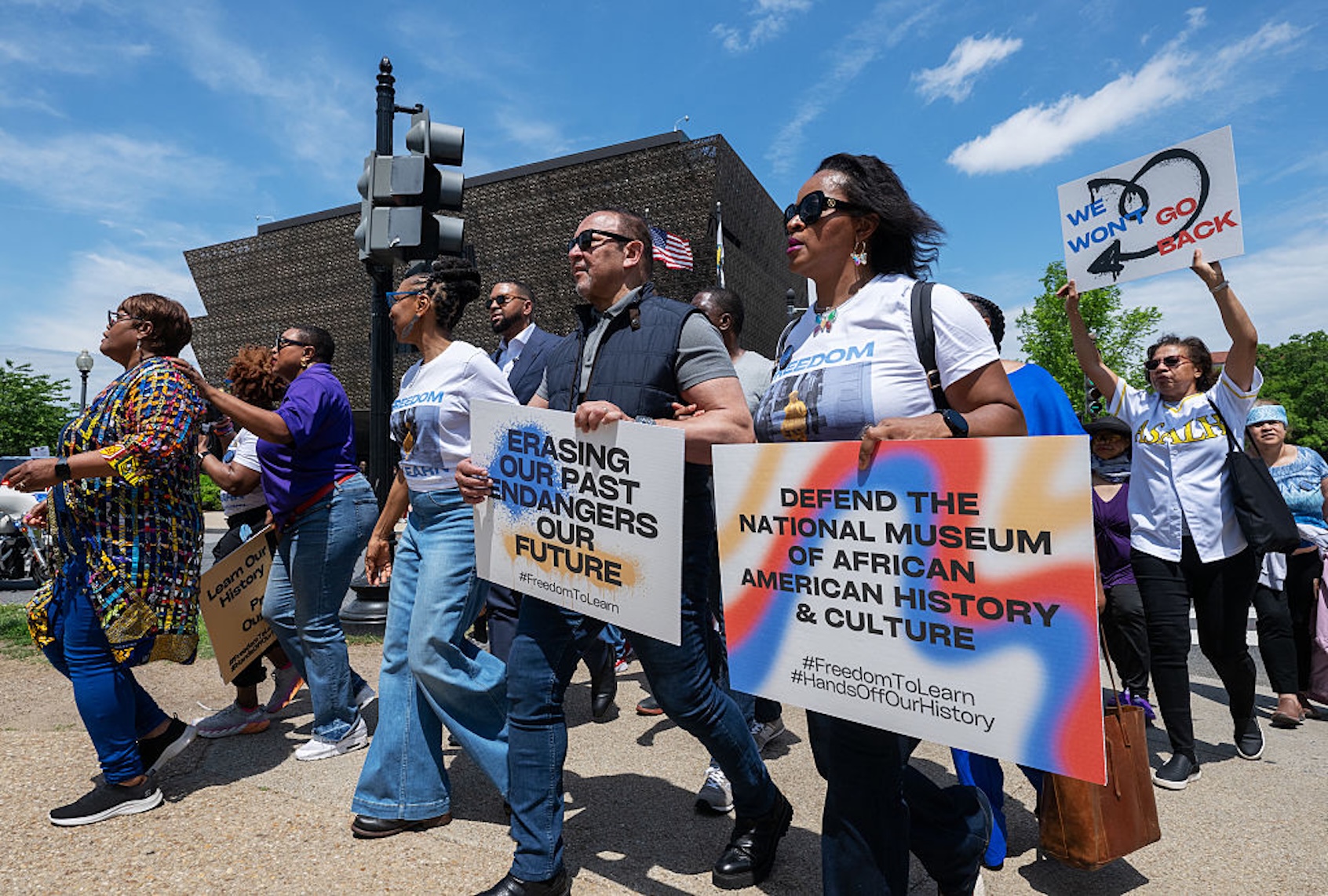
This incident reflects broader tensions within the Smithsonian as it navigates contemporary issues around race and history. With President Trump declaring in 2025 that the Smithsonian had fallen prey to “divisive, race-centered ideology,” the institution has faced increased scrutiny and pressure from lawmakers who argue that its mission has strayed from purely educational objectives to one driven by political activism.
The Smithsonian, which relies heavily on federal funding, is struggling with the implications of political partisanship. As funding threats rise, museums under the Smithsonian umbrella must reconcile their educational missions with the political climate, especially as new museum openings and ongoing debates about storytelling in American history add layers of complexity to their objectives.
Internally, there has been a push toward redefining the museum’s role amid social upheaval following the COVID-19 pandemic and social justice movements. Critics of this shift argue it risks politicizing the museum experience, alienating segments of the public who view it as a platform for celebrating American achievements rather than interrogating past injustices.
As the debate over the Smithsonian unfolds, its future direction and the nature of American historical narratives remain contested, with advocates calling for a balanced portrayal that honors both the country’s accomplishments and its failures. The ongoing discourse underscores the challenge of maintaining the museum’s credibility and relevancy in an increasingly polarized environment.