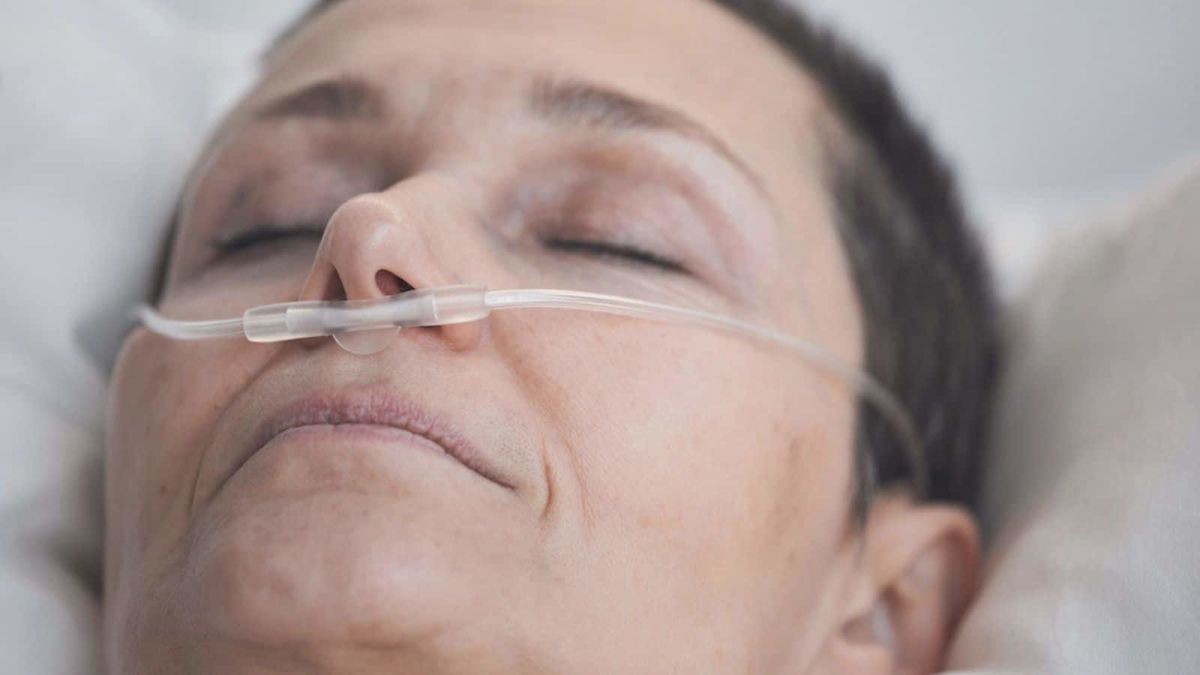
Can Doctors Temporarily “Pause” the Human Body?
Suspended animation might sound like science fiction—halt the body’s operations to pause injury or blood loss damage, then restart function later. While true human hibernation isn’t possible yet, emergency medicine is exploring ways to slow metabolism to buy doctors precious time during critical moments.
The Concept: Slowing Oxygen Demand
Cells require a continuous supply of oxygen for energy. When blood circulation ceases, organs quickly deplete their oxygen reserves, particularly the brain, which is highly sensitive to deprivation. Cooling the body alters this scenario: as temperature drops, the chemical reactions slow, minimizing oxygen needs. Modern resuscitation techniques treat profound hypothermia differently from regular cardiac arrest, allowing severely cold patients to survive longer without a heartbeat.
Controlled Hypothermia in Surgery
Surgeons have employed controlled hypothermia in complex operations for years, particularly during heart procedures. This technique temporarily stops normal blood circulation while protecting vital organs, confirming doctors can deliberately slow metabolism and tolerate circulatory interruptions that would otherwise be fatal.
Emergency Preservation and Resuscitation (EPR)
The closest real-world manifestation of suspended animation is Emergency Preservation and Resuscitation (EPR), aimed at patients experiencing dramatic blood loss. In EPR, ice-cold saline quickly replaces blood, dropping body temperature to critical levels, thus granting surgeons extra time to repair life-threatening injuries.
Animal Studies and Natural Models
Extensive animal research has demonstrated that large mammals can survive extreme cooling, circulatory arrest, and subsequent resuscitation. These studies establish that temperature and metabolic rate are crucial in extending survival during critical emergencies. Observations of natural hibernators like bears and squirrels provide insights into potential pathways for inducing similar low-metabolism states in humans.
Potential in Space Exploration
While emergency medicine focuses on short-term preservation, space agencies envision longer metabolic suppression alternatives. Reducing metabolism could significantly lessen food, water, and space requirements for astronaut crews on long missions.
The Complexity of Restarting Metabolism
One major challenge lies in restarting circulation without causing damage. Restoring oxygen too quickly can lead to oxidative stress and reperfusion injury. Ongoing research is exploring methods to protect tissues during this transition, including specialized fluids and drugs.
Current Progress and Future Directions
Today, elements of suspended animation already exist, such as hypothermia used in surgeries and ECMO systems to maintain circulation. The future aims to combine these practices with drugs or perfusion systems to provide better protective measures, essentially turning a few dire minutes into enough time for critical medical interventions.
Conclusion
While true, long-term suspended animation remains a futuristic goal, current medical advancements are laying the groundwork for extending survival windows in emergency situations. If researchers succeed, the first practical applications of suspended animation might take place in emergency rooms rather than spaceships.
Questions for Reflection
If doctors could safely induce a temporary low-metabolism state post-injury, how much longer could medical professionals stretch the time available for effective treatments?


