How Pet Owners Can Prepare for Incoming ‘Supersized’ El Niño
As a “supersized” El Niño is anticipated to impact the nation during the fall and winter, pet owners, particularly those caring for livestock, must begin their preparations. This weather phenomenon presents unique challenges that can affect both domestic animals and livestock.
What is El Niño?
El Niño is characterized by unusually warm ocean temperatures in the central and eastern tropical Pacific, which alters atmospheric patterns and affects global weather. Generally, El Niño winters are wetter in the southern U.S. and warmer and drier in the north. Consequently, pet owners should prepare for the specific risks linked to the expected conditions in their areas.
Unique Challenges for Livestock
Livestock, like cattle, require a different preparation approach compared to household pets. According to Cody Deluisio, a herd manager, cattle rely significantly on their diet for warmth. The wet, freezing conditions brought by El Niño can dampen their coats, reducing insulation and necessitating additional feed and protective measures. For instance, Deluisio’s farm plans to stock up on 30% more hay to ensure their cattle can maintain warmth.
Managing mud—generated as cattle tread wet ground—is another concern. This can lead to slipping injuries or hoof rot. To counteract this, owners should manage high-traffic areas and consider using mats or regular cleaning.
Protecting Livestock from Wet and Windy Conditions
While the instinct may be to bring cattle into heated barns during inclement weather, Deluisio emphasizes that fresh air is crucial to prevent respiratory issues. He uses three-sided sheds for shelter, allowing ventilation while providing protection from wind and rain. Effective windbreaks can help keep animals comfortable in cold, wet, and windy conditions.
Household Pet Preparations
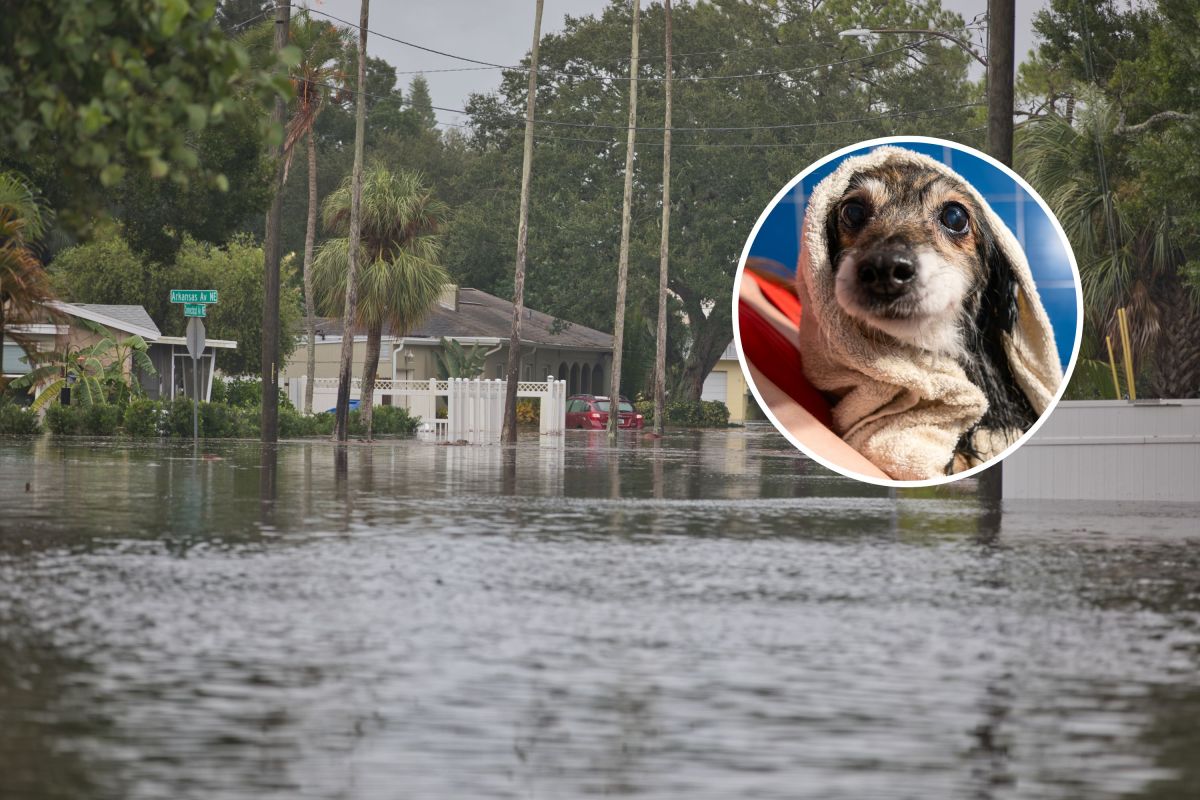
Household pets require a more straightforward approach to preparation. However, considerations still need to be made, especially in light of potential flooding. Ali Smith, a canine behavior consultant, suggests creating an indoor potty area in areas with heavy rain and establishing an emergency plan for evacuation if necessary.
Key steps include:
- Ensuring you have adequate supplies of food, water, and medications.
- Keeping identification and veterinary records accessible.
- Familiarizing pets with carriers, especially cats, to ensure they can be transported safely during emergencies.
Additionally, having a secure leash and harness for dogs is vital. Pet owners should identify evacuation destinations, including pet-friendly accommodations, in advance to streamline any emergency response.
Conclusion
The effects of El Niño can vary significantly depending on location, but proactive planning for your pets—whether livestock or household companions—can mitigate the challenges posed by unpredictable winter weather. Preparing adequately means you and your pets can navigate this season with greater ease and security.