Discovering Bhutan: A Journey Through Nature, Culture, and Sustainability
Bhutan is a unique destination characterized by its stunning alpine landscapes, rich cultural traditions, and a strong commitment to environmental sustainability. Known as the Land of the Thunder Dragon, Bhutan boasts majestic mountain peaks and lush green valleys that appeal to nature lovers and adventure seekers alike.
Key Attractions
-
Pristine Landscapes
- Himalayan Mountains: Home to Gangkhar Puensum, the world’s highest unclimbed mountain, Bhutan’s northern region is defined by its towering peaks.
- Forest Cover: Over 70% of Bhutan is forested, providing vital habitats for wildlife and playing a crucial role in the country’s environmental policies.
- Flowing Rivers: The rivers originating from the Himalayas meander through the forests, creating breathtaking scenery and rich biodiversity.
-
Rich Culture
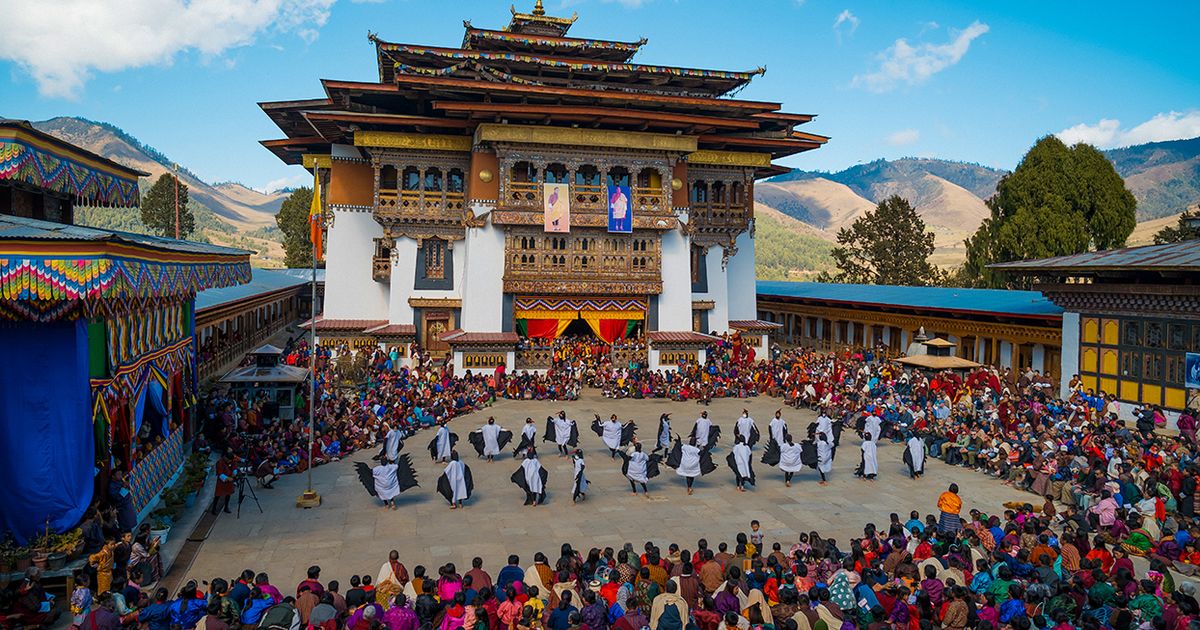
- Buddhist Traditions: Buddhism pervades everyday life in Bhutan, influencing art, architecture, festivals, and spiritual practices.
- Traditional Clothing: Bhutanese men wear the gho while women don the kira, symbolizing their cultural identity.
- Unique Architecture: Characterized by intricate woodwork and bright façades, Bhutanese structures symbolize the nation’s deep-rooted Buddhist heritage.
-
Commitment to Sustainability
- Carbon Negative: Bhutan absorbs more carbon dioxide than it emits, making it one of the world’s few carbon-negative countries.
- Constitutional Protection: The Constitution mandates that at least 60% of Bhutan remains forested forever.
- Gross National Happiness: Bhutan’s development model focuses on the well-being of its citizens, emphasizing culture, environmental protection, and sustainable growth over mere economic output.
Experience Bhutan
-
Culinary Delights: Bhutanese cuisine emphasizes hot chilies and creamy cheeses. The national dish, Ema Datshi, features chilies and cheese, while other meals often involve communal dining. Expect hearty portions designed for the cold climate.
-
Travel Logistics:
- To reach Bhutan, travel typically involves connecting through hubs like Dubai, New Delhi, or Bangkok.
- Flights into Bhutan are operated exclusively by Drukair and Bhutan Airlines.
-
Visas and Fees:
- US citizens require a pre-arranged visa, along with a Sustainable Development Fee of USD $100 per night.
- It is advisable to work with licensed tour operators for the visa process.
Cultural Insights
Buddhism serves as both a religion and a philosophical guide in Bhutan. The interconnectedness of life and nature influences how the Bhutanese approach sustainability and community well-being. For visitors, understanding these principles enriches the travel experience.
Bhutan isn’t just a picturesque destination; it’s a vibrant tapestry of culture, nature, and sustainability waiting to be explored.