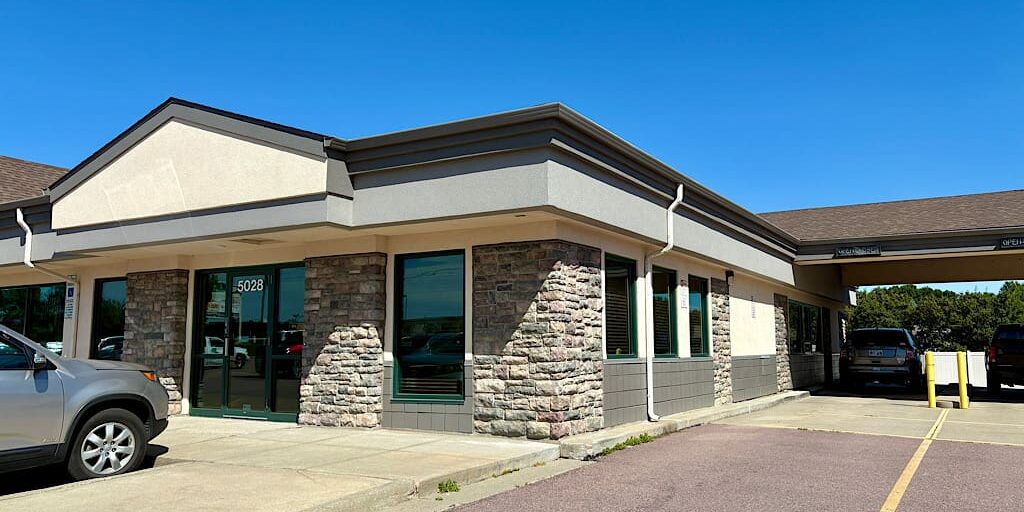
CNC Food Factory Opens New Location in Sioux Falls
Sept. 8, 2026 – CNC Food Factory, a bakery and cafe renowned for its gluten-free baked doughnuts and diverse breakfast and lunch offerings, is set to open a new location in south Sioux Falls. The new establishment, which will feature a drive-thru, is located in a retail center on Cliff Avenue, south of 57th Street.
Owned by Andy and Stephanie Brown, CNC Food Factory currently operates at the GreatLIFE at Avera McKennan Fitness Center, but it’s unclear if that location will remain open after the new one launches. The new space at 5028 S. Cliff Ave. is anticipated to be ready by the end of 2026 or early 2027.
Expanded Offerings and Unique Features
The new location will allow for an expanded menu, including more baked goods such as cinnamon rolls, muffins, cookies, and brownies. The Browns are also considering adding a hot breakfast buffet on weekends, ensuring gluten-free options are available.
Additionally, the cafe will offer its own brand of coffee, titled “Born Again Coffee,” in collaboration with a local roaster, featuring all standard espresso drinks, smoothies, and energy drinks. Diners will have the choice of regular or gluten-free options for all menu items.
CNC Food Factory has received accolades, being named the top restaurant for gluten-free options in Sioux Falls by Local Best and ranking highly on the app Find Me Gluten Free.
Operating Hours and Ambiance
The new location will operate daily, potentially from 4:30 or 5 a.m. to 2 p.m., and will include seating for around 50 to 60 guests, alongside drive-thru service. The design will maintain the cafe’s signature green apple color, with a modern aesthetic in mind.
Growth and Community
The Brown couple’s journey from operating the Avera Fitness Center cafe to launching a brand focused on gluten-free options has seen significant growth. They plan to increase staff levels to manage the expansion.
Marcus Mahlen, president of NAI Sioux Falls, who aided in securing the new location, expressed confidence that the site at 57th and Cliff is an ideal match for the business, tapping into a well-established intersection featuring various services and industries.