Advancements in Automotive Education: SMC’s Commitment to Future Technicians
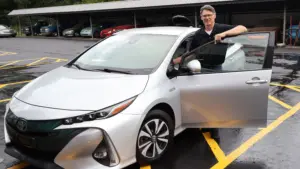
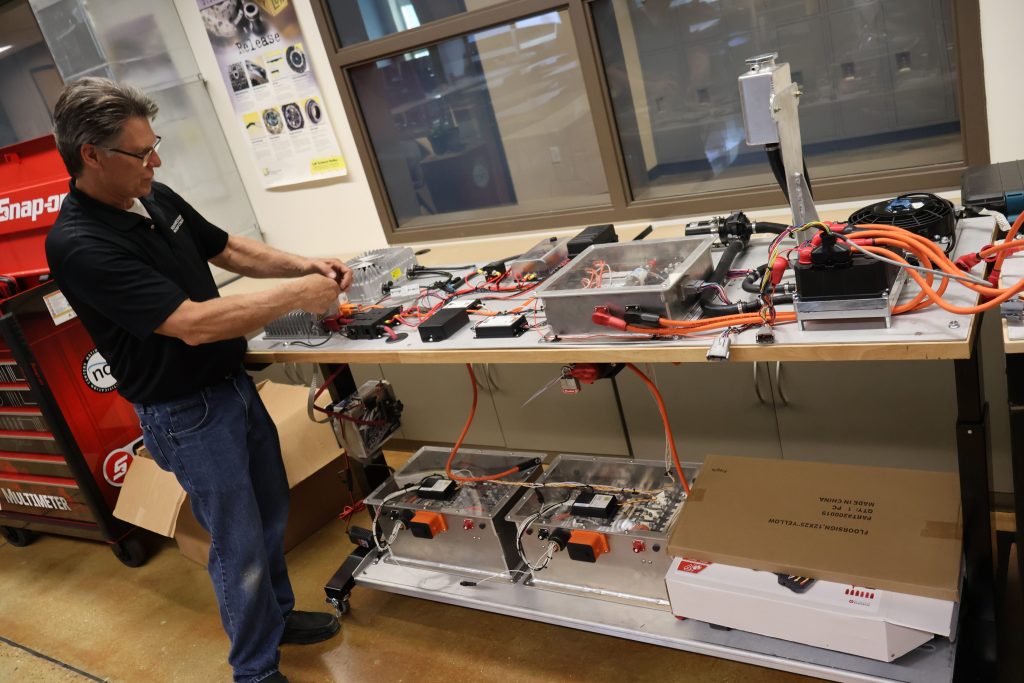
At Southwestern Michigan College (SMC), automotive students are experiencing a transformative approach to learning about electric and hybrid vehicles. The college’s Automotive Technology program has recently expanded its training fleet by adding three electrified vehicles: a Tesla Model 3, a Chevrolet Bolt, and a Toyota Prius Plug-In Hybrid. Alongside these vehicles, a specialized training bench has been introduced, allowing students to explore the inner workings of electric vehicles.
The $45,000 investment underscores SMC’s commitment to providing hands-on experience that is increasingly vital in a rapidly evolving automotive industry. “The only way to keep up with the technology explosion is to buy things that literally expose them to the basics,” says Professor Jeff Robson, emphasizing the importance of practical experience.
A Shift from Traditional to Modern Technology
The evolution of automotive technology is significant. Professor Robson, who has been with SMC since 2013, points out that while fundamental knowledge remains essential, modern diagnostics now heavily rely on software, sensors, and data analysis. Today’s vehicles can hold between 50 to 70 electronic modules, resulting in complex diagnostic processes that extend beyond simply reading codes.
Robson advocates for critical thinking before using tools, emphasizing the importance of understanding vehicle systems. “The best time spent is 15 minutes in the service manual before I start a job,” he highlights, reminding students that troubleshooting requires interpretation and analysis.
Building Versatile Technicians
Rather than narrowing students’ focus to brand-specific training, the SMC program aims to foster adaptable technicians. The goal is to cultivate an inquisitive mindset, equipping students with the skills necessary to tackle unfamiliar technologies and collaborate effectively in diverse work environments.
The introduction of the three new vehicles enhances students’ learning experiences with tangible examples of modern automotive technology, such as Tesla’s unique design features, including a “frunk” and a central screen replacing traditional dashboards.
Future-Ready Education
The initiative to integrate electrified vehicles and training equipment into the curriculum is supported by federal Perkins funding aimed at enhancing career and technical education. SMC’s focus isn’t merely on anticipating future vehicle designs but rather on ensuring that students possess the fundamental understanding necessary to adapt to the innovations on the horizon.
As Robson succinctly puts it, “The only way to keep up with the technology explosion is to buy things that literally expose them to the basics.” These progressive steps ensure that SMC’s automotive students are well-prepared for the future, capable of addressing whatever challenges arise in the service bays of tomorrow.