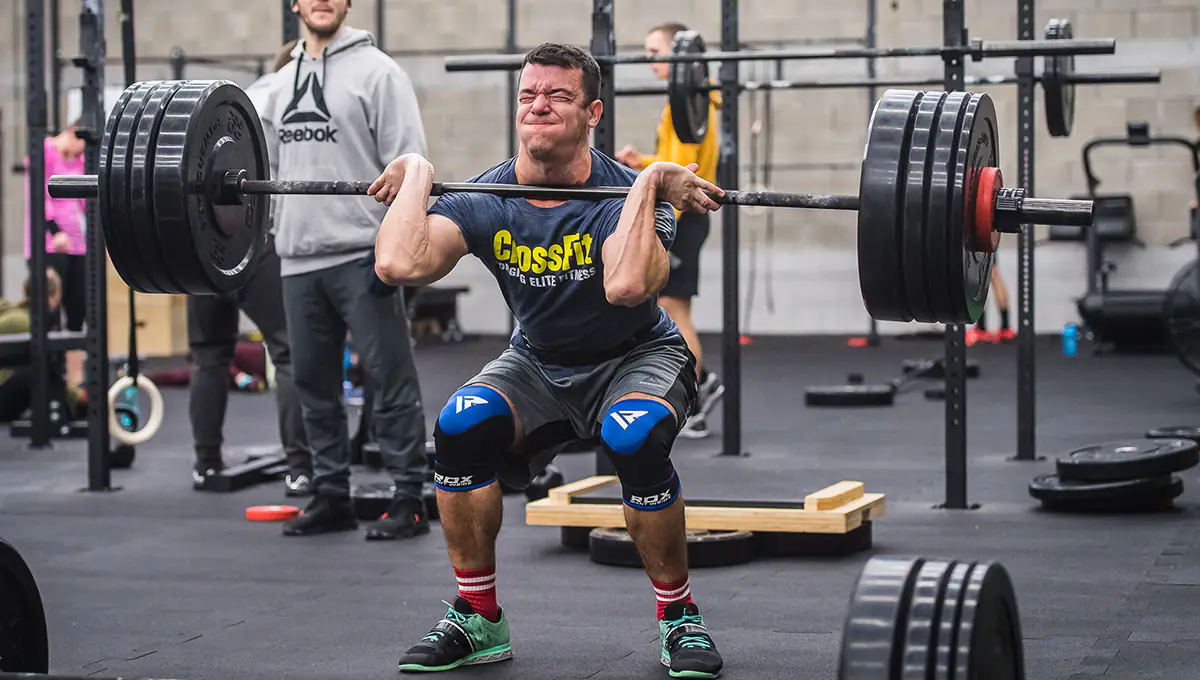
Fitness trends are constantly evolving. Each decade unveils new training methodologies that capture the attention of enthusiasts and experts alike. From the bodybuilding movement of the 1980s and 1990s to the emphasis on endurance sports in the early 2000s, and the rise of functional fitness and high-intensity interval training in the 2010s, the landscape of fitness is dynamic. Today, a novel approach has emerged as a frontrunner: hybrid training.
Hybrid training integrates multiple fitness modalities, primarily combining resistance and endurance workouts. This allows athletes to develop both strength and cardiovascular endurance concurrently, rather than focusing solely on either lifting weights or long-distance running. In 2026, this multifaceted approach has taken root not just in gyms, but within endurance sports and functional training communities globally. Athletes aspire to lift heavy weights while also improving their half-marathon times, and casual fitness enthusiasts seek to build muscle while enhancing their cardiovascular health.
This article delves into the rise of hybrid training, exploring its definition, the science behind its effectiveness, and practical tips for implementation.
Understanding Hybrid Training
Hybrid training, also referred to as concurrent training in scientific discussions, is designed to improve both muscular strength and aerobic endurance within the same program. It encompasses a variety of activities, including:
- Strength training paired with running
- Weightlifting combined with cycling
- Powerlifting alongside rowing
- CrossFit-style workouts that integrate endurance sessions
The primary goal is not just to achieve general fitness but to enhance strength, muscular endurance, and cardiovascular fitness at the same time, which contrasts with traditional methods where athletes often focus on a single skill set.

Why Hybrid Training Is Gaining Popularity
Several cultural and physiological trends drive the rise of hybrid training:
Demand for Comprehensive Fitness
Today’s fitness enthusiasts increasingly value a balanced approach, desiring improved strength, mobility, and cardiovascular health. While bodybuilding may enhance muscle size, it often overlooks aerobic fitness; conversely, endurance training mainly focuses on stamina. Hybrid training addresses this gap.
Attraction of Functional Performance
Real-life activities typically involve various fitness components. Whether lifting heavy objects, going on long hikes, or participating in sports, individuals require a blend of strength and endurance. Hybrid training reflects this reality, equipping athletes for a wider range of physical endeavors.
Emergence of Hybrid Athletes
The visibility of hybrid athletes on social media has further popularized this training method. Many showcase impressive feats that combine strength and endurance—such as deadlifting 500 pounds while completing a marathon—demonstrating that these attributes can coexist.
Scientific Advancements
Earlier fitness research suggested that combining strength and endurance training could hinder progress, often referred to as the interference effect. However, contemporary studies reveal that when structured effectively, concurrent training can enhance both strength and aerobic capacity.
Delving into Concurrent Training
Grounded in extensive research, hybrid training provides a robust framework for improving both strength and endurance. This training model focuses on integrating resistance and endurance exercises in the same program. Research has indicated that this approach can significantly enhance markers of fitness.
Boosting Strength and Aerobic Capacity
Numerous studies have shown that concurrent training can improve both muscular strength and aerobic endurance. For instance, hybrid training programs can lead to enhancements in maximal oxygen uptake and muscular performance, indicating the body’s capacity to adapt effectively to both forms of training.
Insights from Controlled Studies
Research involving controlled training typically spans eight to twelve weeks, with participants engaging in regular endurance and resistance sessions. Results consistently demonstrate improvements across various performance metrics, including:
- Muscular strength
- Aerobic capacity
- Body composition
- Explosive power
Such findings underscore the effectiveness of hybrid training in promoting overall fitness and enhancing athletic performance.
Meta-Analyses on Hybrid Training
Broader reviews of research confirm that integrating strength and endurance training yields significant benefits across several fitness domains. While some studies highlight potential limitations, such as reduced gains in lower body strength when compared to dedicated strength programs, the consensus indicates that hybrid training remains a powerful tool for improving overall health.
Navigating the Interference Effect
The interference effect remains a subject of debate within the hybrid training community. It posits that endurance work may hinder strength gains. However, emerging research suggests these interactions are complex and depend heavily on variables such as training intensity and volume.
Why Interference Might Occur
- Strength training activates pathways crucial for muscle growth.
- Endurance work stimulates pathways linked to aerobic metabolism.
- Excessive training volume can cause competition for cellular resources.
Current Research Insights
Modern studies suggest the interference effect’s impact is minimal, especially in trained individuals. Many recreational athletes can effectively work on both strength and endurance without substantial drawbacks.
Physiological Advantages of Hybrid Training
The benefits of hybrid training extend well beyond athletic performance:
Enhanced Cardiovascular Health
Endurance training has shown to improve numerous cardiovascular markers, including heart rate and blood pressure, while resistance training complements these effects by boosting vascular function. Together, they support long-term cardiovascular well-being.
Muscle Mass and Strength Gains

Resistance training fosters muscle growth and increases strength. When paired with endurance workouts, individuals can often maintain or even enhance muscle mass while also boosting aerobic capacity.
Improved Metabolic Efficiency
Hybrid training enhances the body’s ability to utilize different energy systems. Endurance work helps increase mitochondrial density, while strength training boosts muscle fiber recruitment, improving metabolic flexibility overall.
Enhanced Athletic Performance
Many sports necessitate a combination of strength and endurance. Incorporating resistance training into an endurance regimen can lead to improved performance metrics, such as running economy and power output, ultimately enhancing race outcomes and delaying fatigue during long efforts.
Greater Injury Resilience
Strength training bolsters joint stability and tendon strength, potentially reducing injury risks for endurance athletes. Runners incorporating resistance training into their routines frequently report lower instances of injuries compared to those focusing solely on endurance.
Long-term Health and Longevity
Both resistance and endurance exercises contribute positively to long-term health. This combined approach helps sustain muscle mass and cardiovascular health, leading to reduced risks of chronic diseases.
Compounding Changes in the Body
The adaptations resulting from hybrid training span across various physiological systems.
Muscular Changes
Resistance training encourages muscle fiber hypertrophy and neural activation, while endurance activities stimulate mitochondrial growth. Together, they foster improvements in both muscular strength and endurance.
Cardiovascular Enhancements
Engaging in endurance exercises leads to enhancements in stroke volume and cardiac efficiency, reflected in how hybrid athletes often demonstrate elevated maximal oxygen uptake—an indicator of improved oxygen delivery to active muscles.
Neuromuscular Improvements
Strength training augments neural drive and motor unit recruitment, enhancing movement efficiency. When combined with endurance training, these adjustments empower athletes to maintain quality performance even under fatigue.
Essential Strategies for Hybrid Training
The success of hybrid training hinges on thoughtful programming, requiring a balance between endurance and resistance workouts.
Training Volume Management
Avoiding excessive volume in both training modalities is crucial to ensure proper recovery. Many hybrid athletes find success with three to four strength sessions and two to three endurance sessions per week, prioritizing quality over sheer volume.
Segregating Training Stimuli
Research indicates that spacing cardio and strength sessions may optimize recovery and performance. For example, conducting workouts on separate days or hours apart can enhance results.
Goal Prioritization
Hybrid training isn’t about maximizing every physical attribute simultaneously. Athletes may prioritize certain goals during specific training phases—focusing on endurance in lead-up to races while maintaining strength with lighter resistance training.
Recovery Management
Effective recovery strategies, including adequate sleep, nutrition, and active recovery techniques, are essential for adapting to multi-modal training. Paying attention to protein intake to support muscle repair is especially important for hybrid athletes.
Who Can Benefit from Hybrid Training?

Hybrid training suits various groups, including:
Recreational Fitness Enthusiasts
Many casual exercisers gain well-rounded benefits from incorporating both strength and endurance training, promoting overall health and functional longevity.
Endurance Athletes
Runners, cyclists, and triathletes can improve their performance by adding strength workouts to enhance movement efficiency and minimize injury risks.
Strength Athletes
Strength-focused individuals like powerlifters and bodybuilders can also reap the rewards of moderate endurance training for cardiovascular health and stamina.
Tactical and Functional Athletes
Individuals in physically demanding professions, such as military personnel and firefighters, benefit from the multifunctional approach of hybrid training.
Looking Ahead: The Future of Hybrid Training
As fitness culture shifts towards valuing versatility, hybrid training exemplifies this trend. Emerging technologies, individualized programs, and enhanced recovery techniques are poised to further refine how hybrid training is utilized. By 2026, hybrid training stands as a highly supported and sensible approach in fitness, enabling individuals to cultivate strength, resilience, and adaptability across diverse physical challenges.
Conclusion
Hybrid training is charting a new course in the fitness realm, blending scientific insights with practical performance goals. Evidence shows that individuals can enhance their strength and cardiovascular fitness simultaneously. While the interference effect remains relevant, thoughtful programming can mitigate its impact. For many, the integration of resistance and endurance training offers a balanced pathway to improved health and performance. Hybrid training represents not just a trend, but a significant evolution in our understanding of fitness.
References
• Chtara, M. et al., 2005. Effect of concurrent endurance and strength training sequence on muscular strength and aerobic performance. Journal of Strength and Conditioning Research, 19(3), pp. 555–560.
• Hickson, R.C., 1980. Interference of strength development by simultaneously training for strength and endurance. European Journal of Applied Physiology, 45(2–3), pp. 255–263.
• Murlasits, Z., Kneffel, Z. and Thalib, L., 2018. The physiological effects of concurrent strength and endurance training sequence. Sports Medicine, 48(2), pp. 343–354.
• Schumann, M. et al., 2023. Concurrent strength and endurance training. Sports Medicine, 53(4), pp. 707–725.
• Sousa, A.C. et al., 2023. Comparative efficacy of concurrent training types on lower limb strength and muscle cross sectional area. Journal of Exercise Science and Fitness, 21(2), pp. 180–188.
• Spiliopoulou, P. et al., 2025. Effects and mechanisms of concurrent strength and endurance training. Frontiers in Sports and Active Living, 7, pp. 1–15.
• Yang, Y. et al., 2023. Effects of concurrent training sequence on VO2 max and lower limb strength. Frontiers in Physiology, 14, pp. 1072679.
• Zanuso, S. et al., 2024. Combined aerobic and resistance training effects on physical performance and metabolic health. Heliyon, 10(2), e20822.
• Zhang, X. et al., 2022. Effects of running specific strength and endurance training on performance parameters. International Journal of Environmental Research and Public Health, 19(17), 10773.