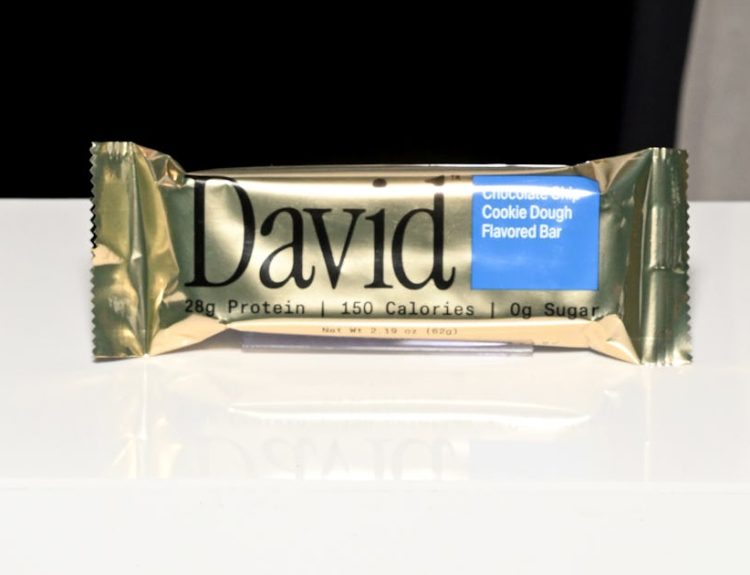
As the Trump administration approaches a significant milestone in its “Make America Healthy Again” initiative, a key development is on the horizon: the formulation of a definition for ultraprocessed foods.
This focus on scrutinizing nutrition and food additives has been central to the MAHA movement, garnering support from food policy specialists and lawmakers across party lines. Ultraprocessed foods have been linked to rising obesity levels and malnutrition, and they are considered contributors to chronic diseases such as heart conditions and cancer.
So, what exactly constitutes ultraprocessed?
Health and Human Services Secretary Robert F. Kennedy Jr. indicated that a definitive answer will be unveiled by next month. Advocates believe this will pave the way for research to identify the most harmful products and establish guidelines for improving the nutritional quality of school lunches.
The Trump administration seems to be employing a dual strategy. The Food and Drug Administration (FDA) aims to play a more informative role, equipping the public with essential nutritional information.
In a recent interview on “60 Minutes,” Kennedy clarified, “I’m not saying that we’re going to regulate ultraprocessed food. Our job is to ensure that everyone understands what they are consuming, thus fostering an informed public.”
Conversely, the Department of Agriculture could leverage this definition to implement policies impacting areas like federal food assistance programs.
Last summer, the two departments launched a request for information to gather feedback on what should be considered ultraprocessed. By the conclusion of the input period in the fall, they had received over 5,000 responses.
During a recent appearance on Joe Rogan’s podcast, Kennedy highlighted the administration’s rapid efforts. “We’re not going to change this overnight, but we’re aiming for quick progress,” he stated. HHS spokesperson Andrew Nixon confirmed that defining ultraprocessed foods is a priority for both the secretary and the administration.
Efforts to combat ultraprocessed foods have emerged as a bipartisan success for the MAHA initiative, especially amid divisions on other issues such as vaccines. At a Senate committee hearing regarding President Trump’s nominee for surgeon general, Casey Means, ranking member Bernie Sanders expressed his interest in collaborating with the administration to curtail junk food advertising.
“Expect me to talk a lot about ultraprocessed foods,” Means remarked.
“That’s great,” Sanders replied, “I’d be delighted.”
Health Impact
Experts in policy and food research stress that establishing a definitive definition for ultraprocessed foods will greatly assist in assessing health impacts. Peter Lurie, executive director of the Center for Science in the Public Interest, noted that the absence of a clear definition has constrained scientific study, making even the term “processed” ambiguous.
“I fully support this initiative to define ultraprocessed foods,” Lurie stated. “Once defined, we can begin associating various policy initiatives with that understanding.”
However, Lurie cautioned that the administration’s approach could oversimplify the matter. He believes officials should focus on targeting foods known to inflict the most harm rather than dismissing all food chemicals outright. “You cannot analyze a trend like obesity and attribute it to a single factor,” he pointed out.
Dalia Perelman, a research dietitian at Stanford University, explained that the current method for measuring food processing is the Nova scale, developed by a Brazilian researcher. Though useful for grading food based on processing, Perelman believes it does not adequately address health impacts. She emphasized that a clear definition of “ultraprocessed” would be a productive starting point.
“I hope this effort won’t be a missed opportunity to transform the food system and provide better guidance for food manufacturers,” she remarked.
The School Nutrition Association commented to the FDA that the Nova scale fails to consider nutrient density. For instance, hummus containing a stabilizer is categorized similarly to a cupcake, despite their vastly different nutritional values, according to the Association.
Impact on School Meals
Agriculture Secretary Brooke Rollins and Kennedy have consistently addressed the issue of ultraprocessed foods. Industry experts indicate that the USDA is currently crafting new regulations for school meals based on the updated Dietary Guidelines for Americans issued earlier this year.
While the guidelines do not specifically mention “ultraprocessed,” they caution against the consumption of highly processed foods. They serve as the nutritional benchmarks for federal programs like school lunches and breakfast, as well as the Supplemental Nutrition Assistance Program (SNAP).
“These dietary guidelines are foundational for many USDA programs, marking the first step in aligning America’s schools and dinner tables with the best practices in American agriculture,” Rollins stated at a January event.
Transforming school meals won’t happen overnight or swiftly; adjustments to premade food recipes may take several years.
“Schools often lack the staff, equipment, infrastructure, and culinary training necessary to prepare everything from scratch,” said Diane Pratt-Heavner, director of media relations for the School Nutrition Association.
This January, a survey of 1,240 school meal program directors revealed that 99% required additional funding, 94% needed more personnel, equipment, and infrastructure, and 95% sought more culinary training. Nearly all respondents highlighted food costs as a significant challenge, complicating any shift away from ultraprocessed items.
Pratt-Heavner emphasized the necessity of continuing to offer pre-prepared items due to operational and funding limitations, as schools serve approximately 30 million students daily.
Carole Erb, executive director of education and governmental sales at J.T.M. Food Group, which provides meals for K-12 students, noted that reformulating recipes to comply with any new regulations will take time. “At J.T.M., it typically takes 18 months to three years,” she said, mentioning that others reported needing up to five years for reformulation. Cost estimates range from $250,000 to over $1 million per item.
Additionally, producers must create appealing products for children. “It’s a balancing act to develop products that meet strict nutritional standards while still being palatable,” Erb explained.
Both Erb and Pratt-Heavner advised against states implementing a patchwork of regulations, cautioning that this could lead companies to either meet only the most stringent requirements, withdraw products from certain states, or stop manufacturing specific items altogether.
“I refer to this as the ’50 kings, 50 kingdoms’ effect,” Erb stated. “It’s impractical to produce 20 different varieties of taco meat just to comply with varying state regulations.”
In conclusion, the movement to define ultraprocessed foods is a significant step toward improving public health and nutritional standards, especially in school meals. As various stakeholders collaborate to establish clear guidelines, the effects of these changes could reshape dietary habits across the nation.