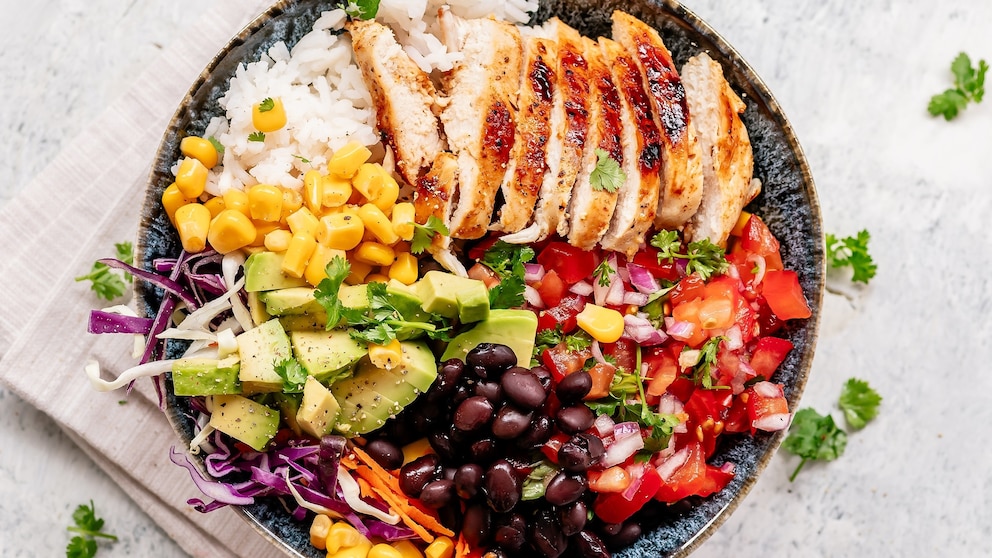
The protein revolution is making waves across various sectors, from social media recipes to the snack aisles of supermarkets. Given the overwhelming array of choices—many of which are processed products aimed at mass appeal—it’s crucial for consumers to consider the overall impact on their dietary health.
Dr. Tara Narula, ABC News’ chief medical correspondent and a cardiologist, shared her insights on the protein trend, helping consumers navigate the abundance of protein-rich products available today.
According to Dr. Narula, three significant factors are currently fueling the protein craze.
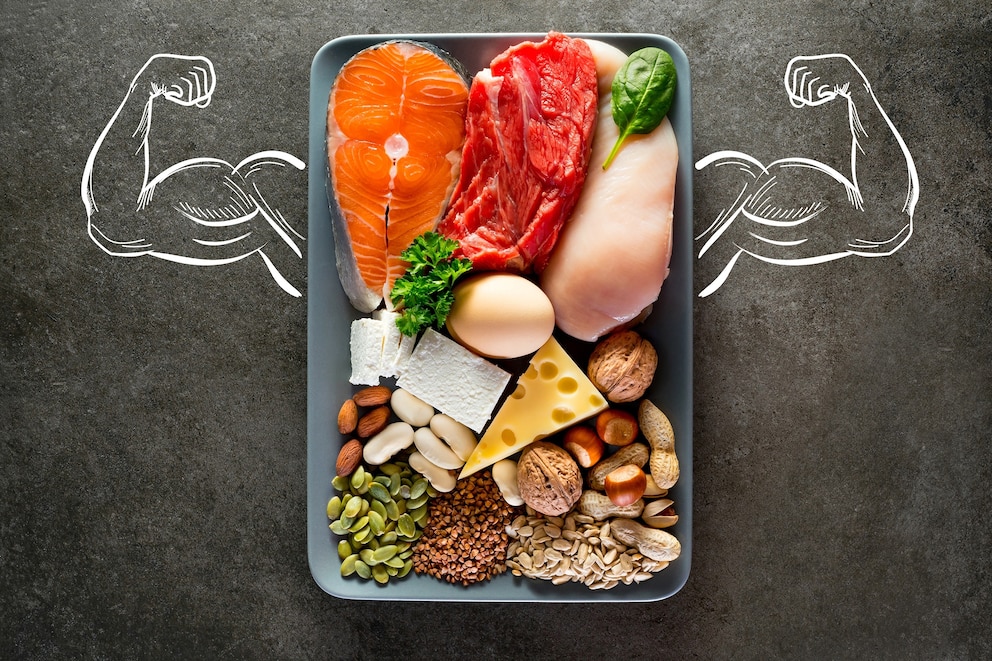
Stock photo of a composition of high protein foods.
Piotr_malczyk/STOCK PHOTO/Getty Images
Firstly, she noted that the emergence of GLP-1 medications, which suppress appetites, has resulted in rapid weight loss for many people. However, this quick reduction can lead to a loss of lean muscle mass, creating a heightened demand for protein-rich foods.
Secondly, the recent federal dietary guidelines introduced by Health and Human Services Secretary Robert F. Kennedy Jr. have significantly increased protein recommendations. They now suggest 1.2 to 1.6 grams of protein per kilogram of body weight per day, up from the previous recommendation of 0.8 grams.
These guidelines emphasize the importance of obtaining “high-quality, nutrient-dense protein from both animal and plant sources,” including lean meats, poultry, eggs, seafood, nuts, seeds, and vegetables.
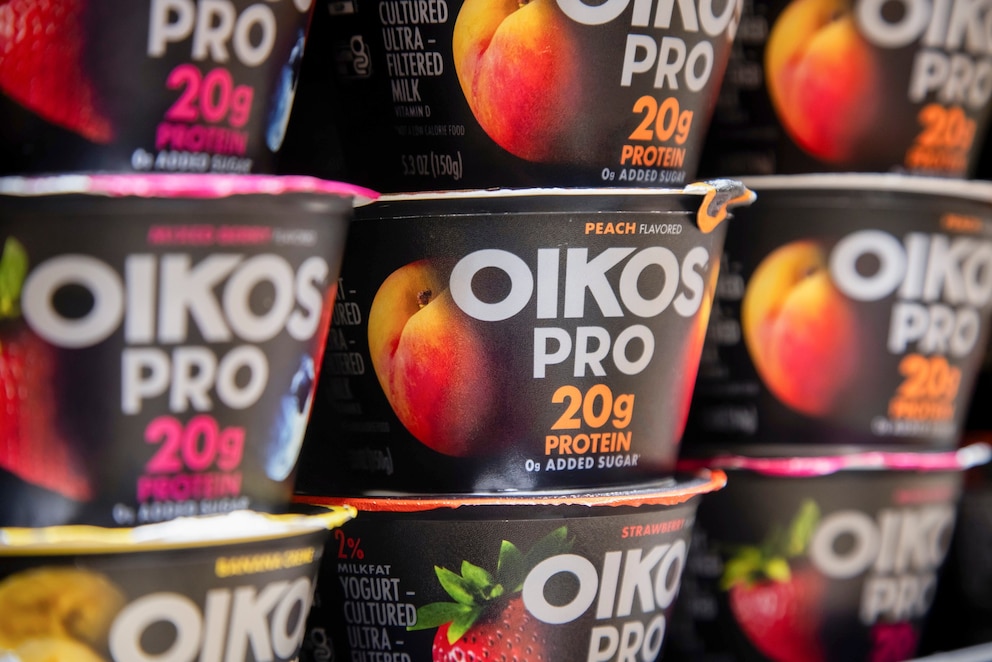
Oikos Pro yogurt at a grocery store in New York, Sept. 9, 2025.
Michael Nagle/Bloomberg via Getty Images
Lastly, Dr. Narula pointed out the considerable surge in marketing on social media platforms, particularly TikTok, where protein-related content is thriving.
Major brands are jumping into the protein movement: Starbucks has introduced protein lattes and cold foam options, Chipotle has rolled out high-protein snack cups, and Kraft has developed pea protein-enhanced macaroni and cheese, all aiming to meet the shifting preferences of protein-conscious consumers.
Nevertheless, Narula cautions that mass-produced foods with added protein are not necessarily healthier choices.
“Whole foods are always the best choice,” she emphasized. “Aim to source your protein from tofu, beans, legumes, nuts, seeds, and lean proteins such as chicken, turkey, and fish, rather than heavily processed or packaged items.”
She further stated, “You must exercise caution, as these processed foods may contain added sugars and other undesirable ingredients. By focusing on whole, unprocessed options, you can ensure you receive the essential fiber, vitamins, and minerals often lost in manufactured products.”
Despite these nuances, Narula insists that protein remains an essential component of a balanced diet and healthy lifestyle.
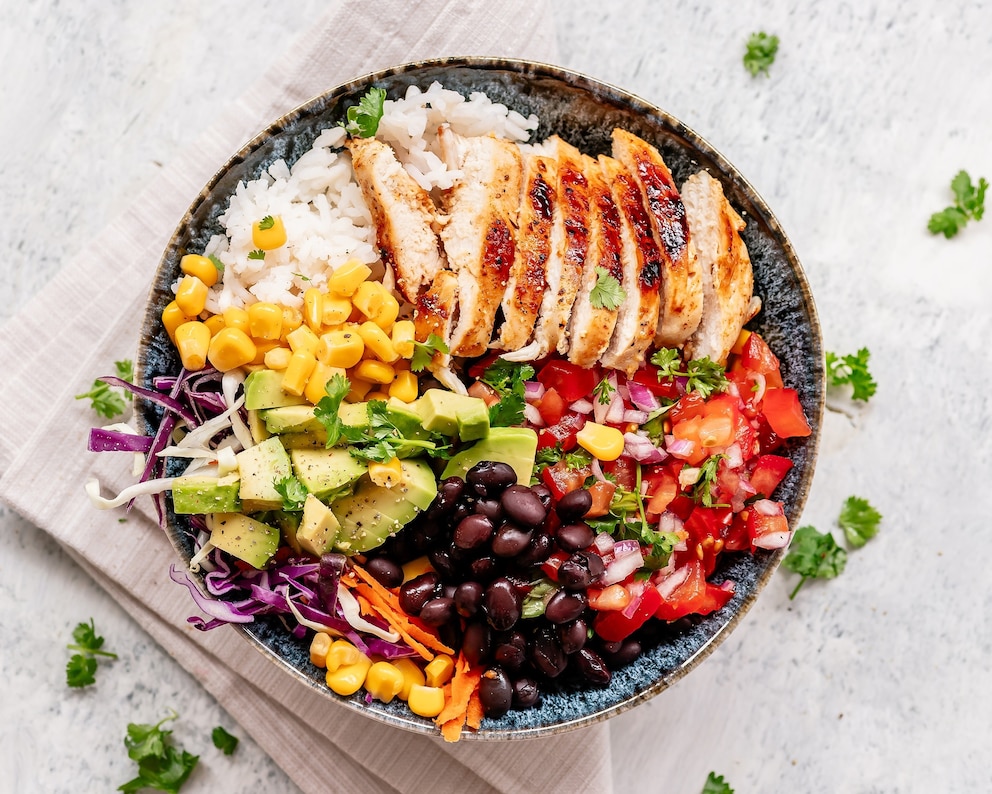
Stock photo of a grilled chicken salad with black beans, avocado and corn.
Magda Tymczyj/STOCK PHOTO/Getty Images
Dr. Narula expounded on the crucial role protein plays in our bodies, stating, “It’s vital for enzymes, muscle function, and hormone regulation. Many of us likely do not consume enough protein.”
Following the latest federal dietary guidelines, the U.S. Department of Agriculture recommends a daily protein intake of 80 to 110 grams for men and 70 to 90 grams for women, which is approximately double the earlier suggested values.
Dr. Narula added that those who need to exercise caution regarding protein intake include individuals with chronic kidney disease, as excessive protein can exacerbate kidney issues. Other health concerns, such as dehydration or gastrointestinal distress, should also be monitored. “However, there’s no definitive upper limit for protein intake,” she clarified.