
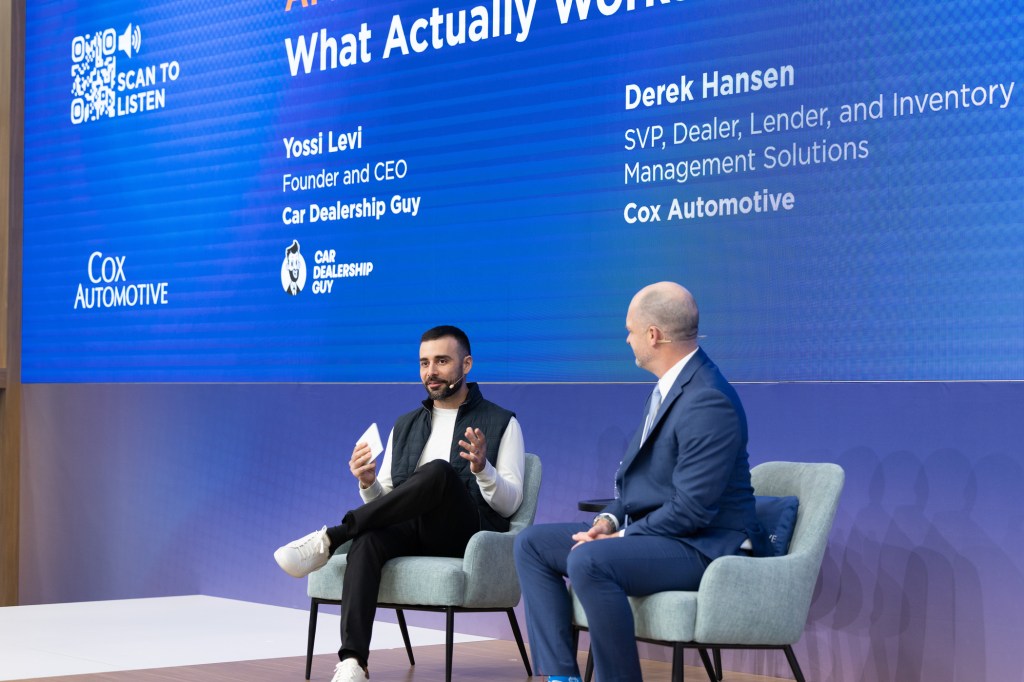
In the rapidly evolving automotive landscape, leveraging technology has become essential for dealers seeking to optimize their operations. Recent discussions featuring industry leaders emphasize the real-world impacts of AI on dealership performance. This article explores key insights from an interview with Derek Hansen, SVP of Dealer, Lender & Inventory Management at Cox Automotive, moderated by Yossi Levi, founder and CEO of Car Dealership Guy.

During the interview, Hansen stressed a fundamental principle: AI is not a magical solution. He pointed out that “the quality of your data is critical to getting the insights you need out of AI to really continue to move your business forward… if you have skewed data or incomplete data, you’re going to get incomplete results.” His viewpoint is anchored in the understanding that successful AI applications demand a thorough view of the marketplace. This includes trends in supply and demand, consumer search behaviors, vehicle histories, reconditioning costs, and a dealership’s historical sales figures. Without a comprehensive data set, relying on AI can turn into an exercise in guesswork instead of a meaningful decision-making process.
Hansen then addressed one of the most critical issues facing dealers today: acquisition. He highlighted three specific ways AI is making a tangible difference. First is inventory strategy; AI can pinpoint gaps in stock, analyze market movement, and adjust sourcing choices based on current demand signals. Second, it encourages diversification of acquisition channels beyond conventional trade-ins and wholesale options. This includes integrating sales from service departments, private party listings, and Kelley Blue Book’s Instant Cash Offer. AI facilitates tracking the performance across these various channels, helping prioritize the most profitable avenues. Third, transparency in vehicle condition is enhanced through AI tools that scan cars and produce accurate reconditioning insights, minimizing guesswork in appraisals and thereby protecting gross profit margins and boosting win rates.
Regarding pricing strategies, Hansen highlighted how AI is transforming sales modeling. By processing millions of VIN-level and sales data points, AI can swiftly determine optimal pricing based on a dealer’s business approach, whether that involves maximizing gross profit or ensuring quicker inventory turnover. Over time, as trust in the AI’s capabilities grows, these systems may autonomously handle pricing tasks within established guidelines, allowing staff to concentrate on responsibilities that require a human touch.
The main takeaway from Hansen’s insights is the shift towards agentic AI in the dealership sector. He concluded by reinforcing what makes this future achievable: access to complete, high-quality data. He emphasized, “you want to make sure you have all the data points of how [your customers are] searching…so that you’re in the best position for success.” As AI technology continues to advance in the realms of acquisition, pricing, and merchandising, dealers who prioritize investment in robust data training for these systems can unlock new efficiencies and gain a competitive edge in the market.