The integration of artificial intelligence (AI) in editing tools has increasingly become a standard feature of our digital lives, particularly influencing trends and behaviors within the realm of insurance claims. According to Verisk, a provider specializing in data analytics and technology, this shift is prompting significant changes in how claims are processed and perceived.
 A recent study by Verisk highlights that 36% of consumers might contemplate altering claim images or documentation, even if such actions violate insurer guidelines. This alarming trend is paralleled by insurers reporting a dramatic increase in instances of manipulated media, with 98% acknowledging that AI editing tools contribute to the rise in digital insurance fraud.
Verisk commissioned this research to understand how AI is transforming risks, decision-making processes, and outcomes in the insurance sector. Their findings illustrate that advancements in technology are not only changing claims handling but also reshaping consumer views on acceptable behavior.
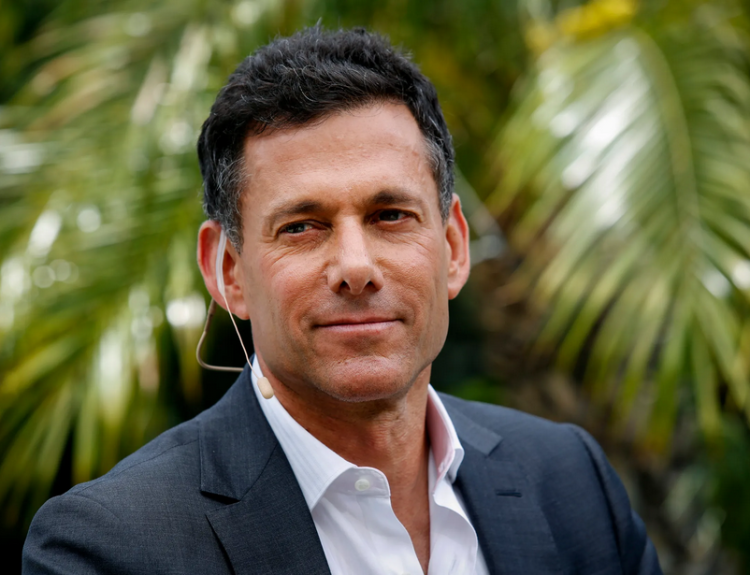
“AI editing tools are altering the way people engage with digital content, and the insurance industry is feeling the impact in real-time,” remarked Shane Riedman, president of Anti-Fraud Analytics at Verisk.
“Our concern lies in the fact that many consumers may not consider minor edits as problematic, yet such alterations can significantly influence claim outcomes. As manipulated media becomes more prevalent, insurers are under increasing pressure to define clearer boundaries, enhance transparency, and combat fraud while ensuring a fair and efficient claims process for policyholders.”
Verisk indicates that AI editing tools are becoming more accessible and user-friendly, producing results that are often indistinguishable from authentic content. The company notes that 44% of consumers who have utilized such tools rate the outputs as “very realistic,” complicating the differentiation between genuine and altered content.
Moreover, the exposure to AI-driven manipulation is on the rise, with 41% of consumers knowing someone who has utilized these tools for financial advantages, including within insurance contexts. This proportion climbs to 64% among Generation Z and 54% among millennials.
According to Verisk, 62% of consumers believe these AI tools are frequently used to manipulate insurance claim documentation. Insurers report nearly universal exposure, with 99% encountering altered or AI-generated submissions, and 76% noting that such cases have become increasingly sophisticated over the past year. The company characterizes this as an emerging operational challenge, complicating the task of distinguishing routine edits from deliberate fraud.
Interestingly, the research reveals a widening ethical divide. While many consumers articulate clear boundaries, Verisk found that 36% would consider altering a claim to enhance its likelihood of approval, despite regulations against such actions.
The findings also illuminate generational differences: 55% of Generation Z and 49% of millennials are more inclined to consider making edits, as compared to 28% of Generation X and just 12% of Baby Boomers.
Verisk also reports that opinions on the acceptability of edits vary by type. For example, 52% of consumers support adjusting brightness or contrast, while 49% find it acceptable to eliminate background elements.
However, more serious alterations raise concern: 15% of respondents deem it acceptable to exaggerate damage, and 13% believe creating entirely fabricated images of damage is permissible. These insights suggest that the increasing availability of sophisticated editing tools may be normalizing actions that directly impact claim outcomes.
From a broader industry perspective, Verisk notes that insurers are stepping up their investment in detection capabilities as digital fraud evolves. 66% of insurers believe that instances of manipulated media fraud go largely undetected, prompting them to increasingly adopt both external and internal AI detection tools. Currently, 65% are utilizing externally provided AI solutions, while 50% are developing their own internal systems.
Despite these advancements, Verisk suggests that confidence in detecting more advanced manipulation techniques remains limited. While 58% of insurers report feeling very confident in spotting edits to genuine images or videos, this figure drops to 43% when assessing authenticity at a larger scale, and further declines to just 32% in identifying deepfakes.
“The industry is not static, but the threats are evolving more swiftly than many existing systems can manage,” Riedman stated. “Detection tools that lack full integration into claims workflows can create gaps in oversight. With deepfakes and other AI-driven manipulations becoming more prevalent, carriers must enhance their systems and foster shared intelligence to keep pace.”
Verisk stresses that AI-driven fraud is expected to have ramifications beyond individual claims. 69% of consumers believe that fraudulent activities will eventually lead to higher premiums for all policyholders. Additionally, 42% consider rising premiums a significant concern, while 36% worry about legitimate claims facing delays or denials due to misidentified altered documents.
Looking to the future, Verisk anticipates ongoing transformations in the insurance landscape over the next three to five years, including greater adoption of technology to combat fraud, improved regulatory consistency, and stricter documentation requirements. The company also foresees increased operational pressures, prolonged claims processing times, and heightened premiums.
“This is not an issue that any individual insurer can resolve alone,” added Riedman. “As digital manipulation techniques continue to evolve and deepfakes gain prominence, insurers are under pressure to address structural and operational gaps, leading to more interconnected systems. Achieving this will require shared intelligence and improved integration—not only to counter increasingly sophisticated fraud but to ensure that legitimate claims are processed swiftly and fairly, preserving trust in the claims journey.”
Verisk’s study is based on two national surveys conducted with 1,000 U.S. consumers and 300 insurance claims professionals, aimed at evaluating the influence of AI editing tools on consumer behavior, fraud risk, and insurer preparedness.