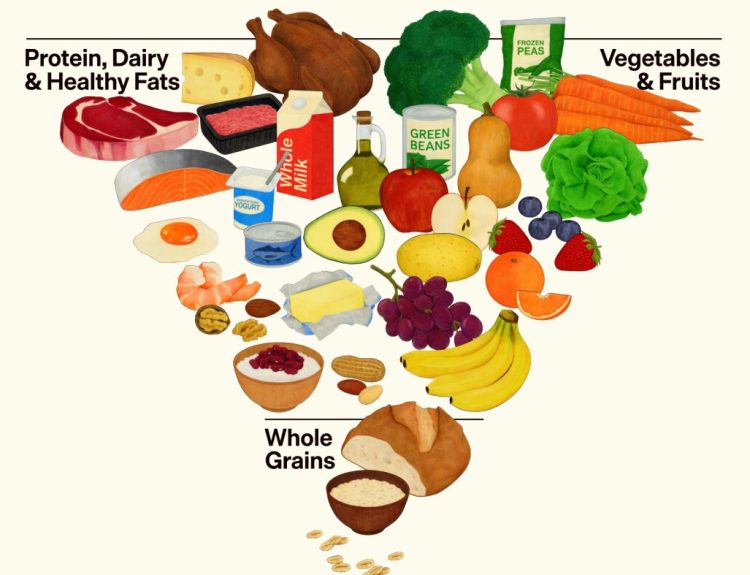
To enhance GLP-1 levels, experts overwhelmingly recommend focusing on protein consumption. Meals rich in protein significantly stimulate the hormone’s release, promoting prolonged feelings of fullness. Dr. Jean-Marc Sobczyk, a naturopathic doctor at Hooke, notes, “Protein is among the strongest direct triggers of GLP-1 release.” Meals containing approximately 25-30g of protein usually result in much higher GLP-1 responses compared to those high in carbohydrates. This may seem like a substantial amount, but reaching this target is relatively straightforward. For example, 25-30g of protein corresponds to three to four eggs, a 150g serving of fish or chicken, about 200g of Greek yogurt, a protein smoothie, or a generous portion of tofu or tempeh.
Plant-based sources can be equally effective; for instance, combining a cup of lentils or beans with whole grains can yield similar benefits. Nutritionist Kim Pearson, author of The Nozempic Diet , emphasizes that incorporating protein into every meal is a simple yet powerful strategy for naturally managing appetite. “Protein activates several hormones that promote satiety, including GLP-1,” she explains. “Additionally, it takes longer to digest, keeping you full for longer.” Many professionals also recommend prioritizing protein in the earlier parts of the day, as this is when most people tend to fall short. Replacing toast with eggs, opting for Greek yogurt instead of cereal, or adding protein powder to a smoothie can lead to noticeable improvements in energy levels and cravings.
While it might not be the flashiest nutrient, fibre is incredibly effective in supporting GLP-1, primarily due to its journey through the digestive system. Instead of being rapidly digested, fibre nourishes beneficial gut bacteria, which generate compounds that promote GLP-1 release. Rhian Stephenson, nutritionist and founder of ARTAH, highlights that increasing fibre intake is one of the easiest adjustments for improved metabolic health, particularly since many people don’t consume enough. “In the UK, adults consume an average of only 18g of fibre daily, while the recommendation is around 30g,” she states. To incorporate more fibre into your diet, consider beans, lentils, chia seeds, oats, raspberries, avocados, almonds, and peas as excellent choices.
Add Fermented Foods To Your Plate
While fibre nourishes your gut bacteria, fermented foods foster their development, which is crucial for GLP-1 regulation. Research suggests that the microbiome plays a significant role in appetite control, affecting how much GLP-1 your body produces. When beneficial bacteria ferment fibre in your gut, they create compounds that signal the body to release this hormone, promoting feelings of fullness. Rhian mentions that foods like kefir, kimchi, sauerkraut, and kombucha may support these beneficial bacteria. “Simply adding a spoonful of sauerkraut at lunch, kefir at breakfast, or a side of kimchi with dinner can help introduce more beneficial microbes into your gut,” she advises.
Simple additions like kefir in your porridge or sauerkraut in a salad can HELP NOURISH THE GUT BACTERIA that trigger your body’s natural GLP-1 response.
Look To The Mediterranean Diet
Interestingly, many foods that naturally support GLP-1 are staples of the Mediterranean diet, which is historically linked to better heart and metabolic health. Common ingredients include extra-virgin olive oil, berries, leafy greens, herbs, nuts, beans, and green tea—foods rich in plant compounds that help nourish beneficial gut bacteria, thereby assisting in appetite regulation. “Your gut microbes thrive on these types of foods,” Jean-Marc explains. “By regularly consuming olive oil, berries, and other colourful plant-based foods, you are essentially feeding the bacteria that stimulate GLP-1.” Even small changes can make a significant impact: drizzle extra-virgin olive oil over your veggies, toss berries into your yogurt, snack on nuts, or swap your afternoon coffee for green tea. Over time, these choices can cultivate a gut environment conducive to effective satiety hormone signaling.
Try The ‘Veg First’ Trick
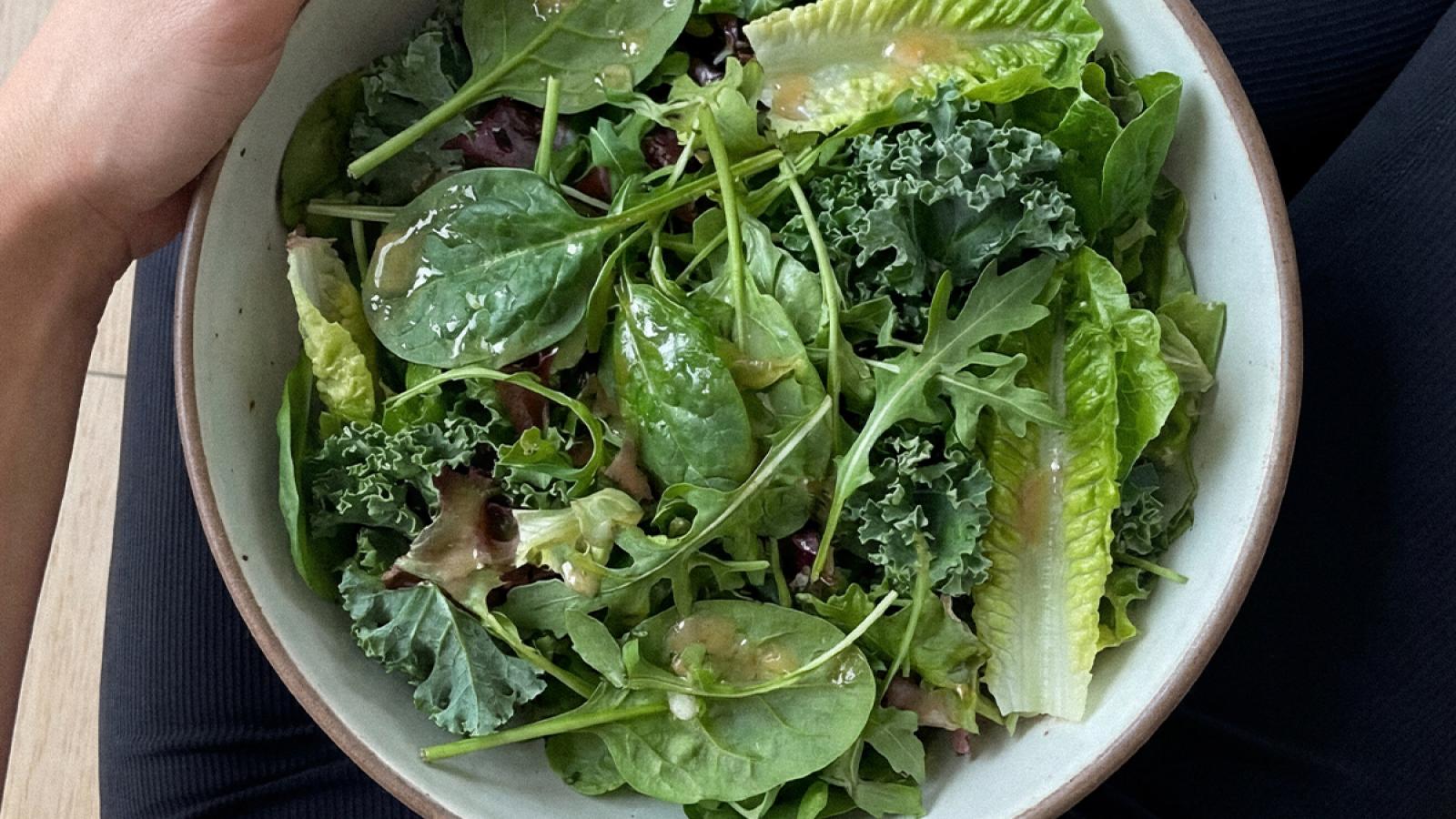
This straightforward wellness tip is backed by solid science. Research indicates that the order in which you consume your food can have significant effects on blood sugar levels and satiety hormones, such as GLP-1. “The most effective sequence seems to be consuming fibre-rich vegetables first, followed by protein and fats, with carbohydrates last,” Jean-Marc explains. Starting with fibre-rich foods slows down digestion, creating a natural buffer before carbs are introduced. Protein subsequently triggers satiety hormones like GLP-1, aiding in meal preparation. This strategy can lead to a steadier blood sugar response and a more gradual increase in GLP-1 levels. For example, you might begin dinner with a salad or vegetable soup before proceeding with the rest of your meal. Studies suggest this method can reduce post-meal glucose spikes by as much as 75%,” he notes.
Do A Gentle Overnight Fast
Another beneficial habit that seems to enhance GLP-1 levels is time-restricted eating, which involves allowing a longer interval between dinner and breakfast. “A 12 to 14-hour overnight fasting window can improve your body’s responsiveness to the GLP-1 it produces,” says Jean-Marc. “This approach enables the hormone you’re already producing to function more efficiently.” Simply finishing dinner a bit earlier or delaying breakfast can create this fasting window, and many individuals find it naturally reduces late-night snacking.
If your sleep is off, your appetite hormones usually are too. GETTING LESS THAN SIX HOURS OF SLEEP CAN THROW OFF GLP-1 LEVELS and blood sugar the next day.
Move Your Body – Especially After Eating
Engaging in exercise is not merely about burning calories; it has emerged as a crucial strategy for enhancing metabolic health, including hormone regulation pertaining to appetite. “Moderate-to-vigorous exercise is consistently one of the most dependable ways to elevate GLP-1 levels,” notes Jean-Marc, who explains that regular physical activity can boost the hormone itself and improve the body’s sensitivity to it. The good news is that you don’t need exhausting workouts to see benefits; even a brisk stroll lasting 20-30 minutes after a meal can reduce blood sugar spikes and promote satiety signaling.
Rhian adds that movement positively influences several appetite hormones simultaneously. “More intense workouts, such as HIIT or endurance training, have demonstrated a significant increase in GLP-1 production,” she mentions. “Exercise can also lower ghrelin—the hunger hormone—while raising PYY, another hormone associated with fullness.”
Sleep significantly impacts appetite regulation. Kim explains that inadequate sleep can disrupt the hormonal balance governing hunger and satiety, including GLP-1 levels. When sleep-deprived, the body often craves quick energy, typically in the form of sugary or starchy foods, while the effectiveness of fullness signals diminishes. The consequences can manifest quickly as well. “Only one night of less than six hours of sleep has been shown to reduce GLP-1 levels and impact blood sugar management the following day,” Jean-Marc emphasizes.
Stress affects not only mood but also the hormonal balance that regulates appetite, energy, and blood sugar levels. “Chronic stress and heightened cortisol levels can suppress GLP-1 production,” Jean-Marc continues. Over time, this can impair the body’s ability to respond to satiety cues after eating. Elevated stress levels can also disrupt gut microbiome and insulin sensitivity, leading to increased energy dips, cravings, and late-afternoon slumps. The key to counteracting this is to regularly nurture your nervous system—consider activities like daily walks, yoga, breathwork, or spending time outdoors. These brief recovery moments can help lower cortisol levels and support the hormonal systems responsible for appetite and energy regulation. As Jean-Marc points out, “When the nervous system is in a calmer state, the body’s metabolic signals, including GLP-1, function much more efficiently.”
For more information, visit HOOKE.LONDON, ARTAH.CO, and KIM-PEARSON.COM. The Nozempic Diet by Kim Pearson is available for pre-order now.