
High-fat, low-carbohydrate ketogenic diets have generated considerable debate. However, a recent study conducted on mice indicates that such diets could be beneficial for health in certain situations, particularly when paired with physical activity.
The research team, comprising scientists from various US institutions, discovered that mice with high blood sugar (hyperglycemia) experienced normalized blood sugar levels after being placed on a strict ketogenic diet.
Furthermore, after eight weeks on the diet, the mice that engaged in exercise showed enhanced outcomes. Their aerobic capacity, or VO2 peak—which measures how efficiently oxygen is used during physical activity—improved, along with increased muscle endurance and oxygen content.
“After just one week on the ketogenic diet, their blood sugar levels became completely normal, as if they didn’t have diabetes at all,” stated physiologist Sarah Lessard from Virginia Tech Carilion.
“Over time, the diet resulted in changes to the mice’s muscles, enhancing their oxidative properties and improving their aerobic exercise response.”

These findings provide insight by linking several previous studies, including one where hyperglycemia was found to hinder muscle adaptations and aerobic capacity in exercising mice. The researchers speculated that the keto diet, known for promoting improved blood sugar regulation, might help restore the muscle responses to exercise.
Nevertheless, the impact of the keto diet was uncertain. Named for inducing ketosis, a metabolic state where the body burns fat instead of sugar, the implications for exercise efficacy remained unclear.
The results imply that the diet can counter both high blood sugar and exercise inefficiencies. However, it’s essential to note that these observations were made only in mice, and no improvements in exercise were seen in mice with normal blood sugar levels.
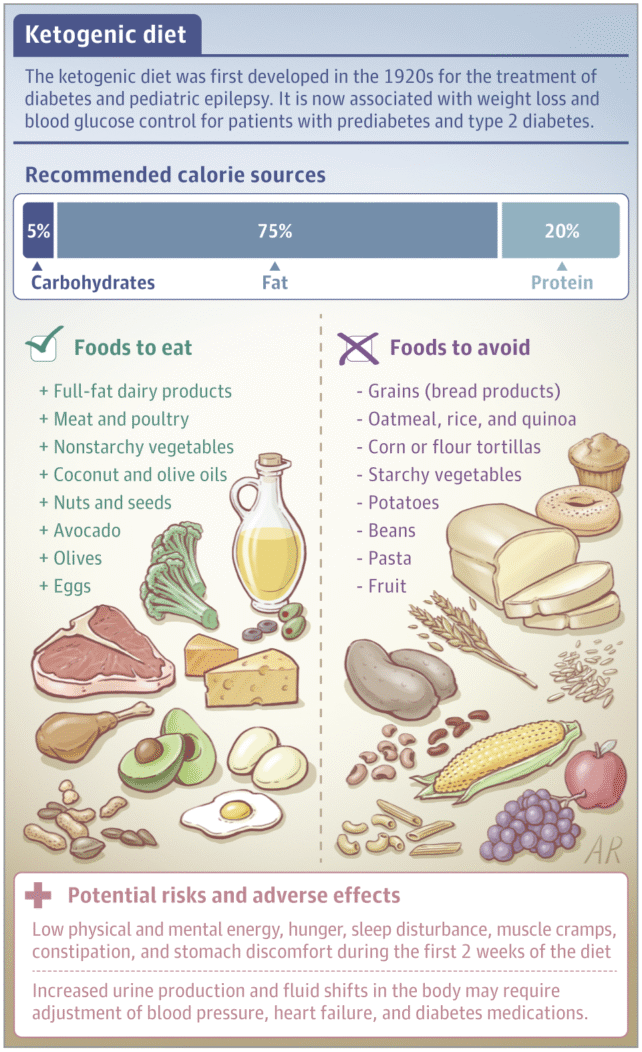
A further limitation was that although the mice showed improved VO2 peak levels, they did not demonstrate enhanced exercise performance, potentially due to insufficient carbohydrates. However, when carbohydrates were reintroduced to their diet, their performance improved.
The team also examined blood vessel and muscle signaling associated with ketosis, indicating that the metabolic state actively contributes to these effects.
“What we’re discovering is that diet and exercise don’t function in isolation,” noted Lessard. “The combined effects yield the most benefits when we maintain a healthy diet alongside regular exercise.”

Previous studies have illustrated that maintaining high aerobic capacity can lessen the risk of complications for individuals with diabetes. This new research offers another potential pathway to mitigate such risks.
For those managing high blood sugar, this suggests that tailored approaches to diet and exercise might be crucial for sustaining health and aerobic performance—an area for future investigations to explore.
Human trials are already on the horizon, promising more pertinent insights, as studies with animal models don’t always capture the complete picture. Notably, the ketogenic diet tested on these mice was an especially stringent version.
Related: Keto Diet May Slow Down Alzheimer’s, Mouse Study Reveals
It’s essential to recognize that this approach may not be suitable for everyone. Researchers emphasize that while the keto diet can be challenging to adhere to, options like the Mediterranean diet could be more manageable for those looking to lower blood sugar levels.
“Our past research indicates that any strategy, developed collaboratively with health professionals, to lower blood sugar could be effective,” concluded Lessard.
The complete study is published in Nature Communications.