Navigating Fitness Wearables: Choosing What’s Right for You
In today’s fitness world, wearable technology has become a major player, from tracking workouts to monitoring sleep. While these devices offer valuable insights, it’s crucial to determine how many you actually need and what metrics truly matter. This article aims to simplify the complexities of fitness wearables, helping you make more informed choices about your fitness journey.
The Buzz Around Multi-Device Setups
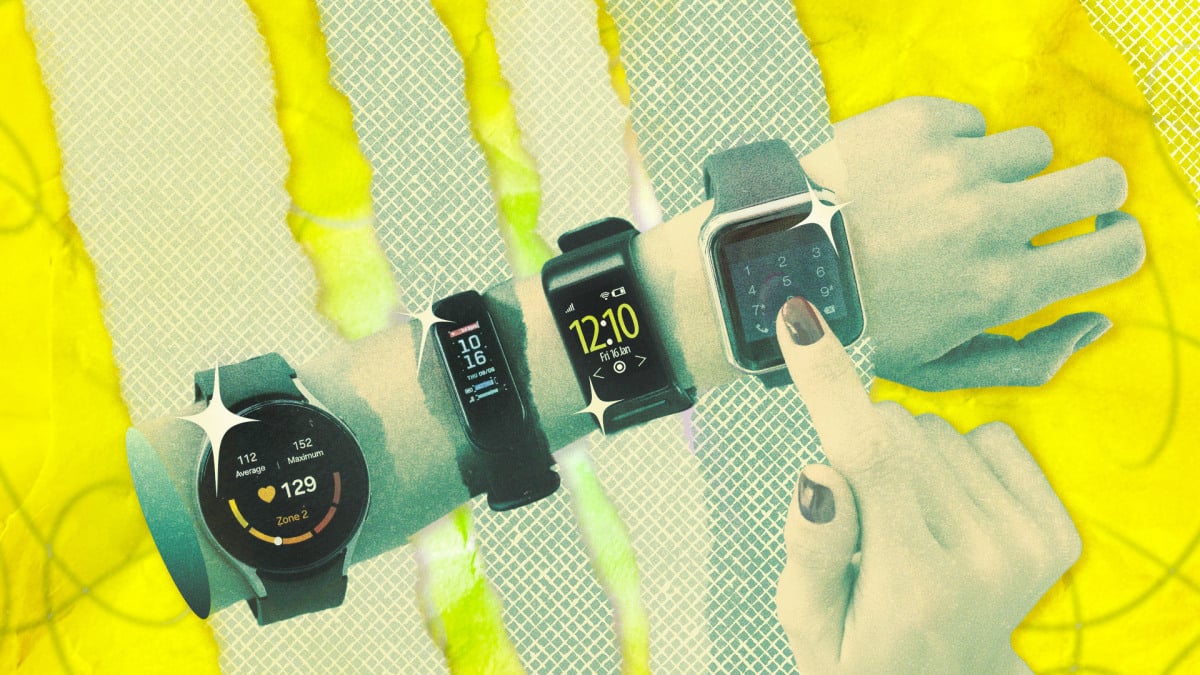
Many fitness enthusiasts are opting for multiple wearables, such as smartwatches like Garmin or Apple Watch combined with sleep trackers like Whoop or Oura. Each device has its strengths—smart rings excel in sleep tracking but may struggle with workout detection, while GPS smartwatches are great for activity metrics but can be bulky for overnight wear.
Before embracing a multi-device approach, it’s essential to consider why these combinations are popular. Many users aim to maximize their health insights by selecting the best tool for each task. However, Dr. James Mitchell from the University of Colorado suggests that you may not be gaining as much as you think. Devices often measure the same physiological signals in different ways, which can just add to the confusion rather than clarify your health data.
Understanding What to Track
While it’s easy to feel overwhelmed by the array of metrics available, not all are equally valuable. Essential metrics include:
- Resting Heart Rate Trends: Indicates overall heart health over time.
- Heart Rate Variability (HRV): Serves as a general recovery indicator.
- Sleep Duration: Assesses how well you’re resting.
- Step Count: A straightforward way to gauge daily activity levels.
These metrics are well-supported by research linking them to meaningful health outcomes. Conversely, some advanced metrics, like “stress scores,” can lack solid foundations, making them less reliable.
The Risks of Over-Reliance on Wearables
While wearables can be helpful, there are notable risks associated with their use:
-
Privacy Concerns: Many users are unaware of what companies might do with their health data. It’s essential to understand privacy policies and data usage practices before committing to a device.
-
Mental Health Impacts: An obsession with tracking can lead to “orthosomnia,” where the constant analysis of sleep data disrupts actual sleep quality.
-
Financial Considerations: Some wearables operate on subscription models that can add up quickly. If they don’t lead to behavioral changes in your life, reconsider your investment.
The Value of Fitness Wearables
Despite the potential downsides, wearables can be beneficial in specific contexts:
- Endurance Training: Tracking your recovery is critical for performance.
- Medical Monitoring: If you’re managing a chronic condition, consistent data can provide valuable insights when shared with healthcare professionals.
- Personal Interest: If data engagement motivates you without causing anxiety, it can serve as a fun and constructive tool in your fitness routine.
Focus on Actionable Metrics
For optimal results, identify one or two metrics that resonate with your personal fitness objectives. Concentrate on these over longer periods, rather than getting caught up in daily fluctuations that don’t provide meaningful insight.
Before adding more devices, consider these questions:
- Has any data changed your decisions in the past three months?
- What happens if you skip checking stats for a week?
- Are you pursuing additional wearables because the current devices failed to deliver actionable data?
For many individuals without specific goals or concerns, the incremental value of additional wearables can be minimal.
Conclusion
The world of fitness wearables is innovative and growing, but clarity is often more crucial than breadth. Focus on using wearables in a way that enhances your understanding of your body without overwhelming you with data. If you’re feeling lost among multiple devices, consider taking a break to see how it affects your fitness journey. At the end of the day, it’s important to remember that collecting data is different from effectively using it. Prioritize a well-rounded approach that values both the data from your wearables and the signals from your body.