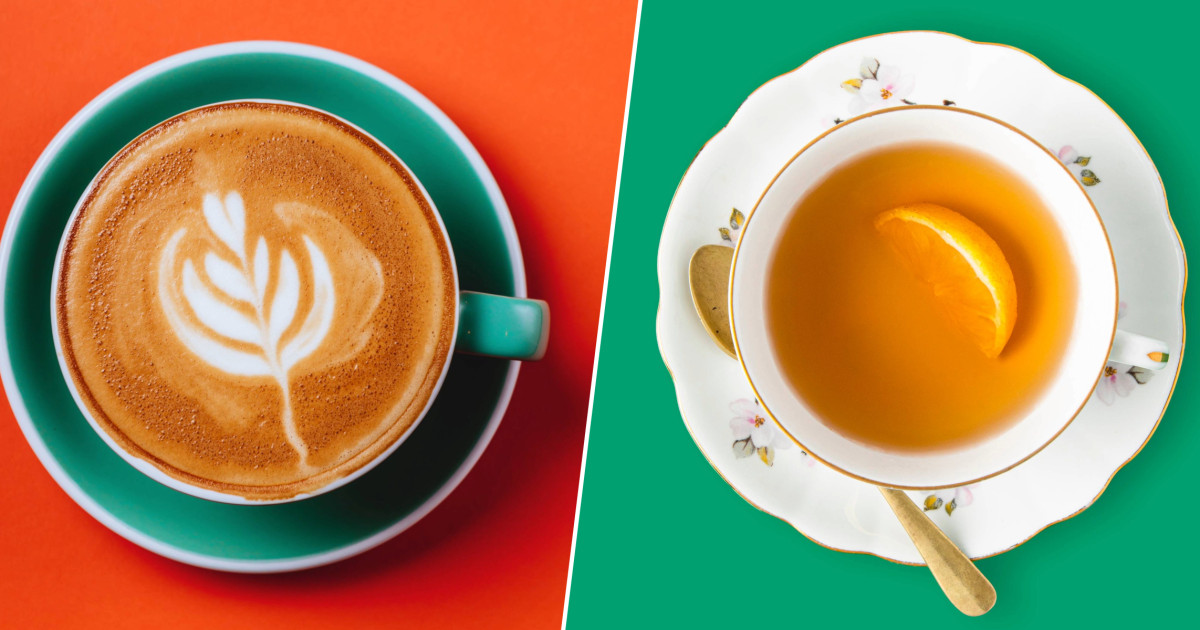
Tea and coffee rank among the most beloved beverages globally, enhancing breakfast, dessert, or simply enjoyed solo. Both drinks deliver caffeine, come in diverse varieties, and can be savored hot or iced, all while offering notable health benefits.
These beverages are practically calorie-free—unless you opt for cream and sugar—boasting flavors that range from bold to mild. For many Americans, a day without their preferred cup is hard to imagine.
Health professionals suggest these drinks can be part of a balanced lifestyle.
“Both beverages can fit into a healthy lifestyle, and the key often lies in minimizing added sugars and choosing a drink you enjoy enough to make a consistent habit,” says Patricia Bannan, a registered dietitian in Los Angeles.
However, tea and coffee can become less healthy based on individual preferences, remarks Elisabetta Politi, a registered dietitian at the Duke Lifestyle and Weight Management Center in Durham, North Carolina.
She has been studying how different fat contents in milk affect the creamy textures of popular coffee drinks like flat whites, cappuccinos, and lattes.

So which beverage is healthier: tea or coffee? Experts weigh in.
Is Tea Healthy?
Absolutely. Tea is packed with polyphenols, which are plant compounds recognized for their antioxidant properties that help protect cells from damage, explains Bannan, author of “From Burnout to Balance.”
Research indicates that regular tea consumption can support heart health, reduce “bad” LDL cholesterol, and promote healthy blood vessel function.
“Most traditional teas—such as green, black, white, and oolong—derive from the same plant, Camellia sinensis, and all are rich in beneficial antioxidants,” Bannan adds.
Green tea is the least processed and boasts the highest concentration of catechins, which Politi notes are polyphenols with anti-inflammatory properties.
Tea drinkers experience increased alertness from caffeine while enjoying a calming effect associated with L-theanine, an amino acid.
“L-theanine complements caffeine by fostering a calm yet alert state of focus, which is why many find tea provides a gentler boost compared to coffee,” Bannan explains.
Are There Any Negatives to Drinking Tea?
Tea can turn unhealthy if laden with sugar or high-calorie creamers, warns Politi.
“Many bottled or specialty tea drinks may contain high amounts of added sugar, so I suggest sticking to brewed tea and enhancing flavor with citrus, fresh herbs, or spices as desired,” Bannan advises.
Caffeine in some teas may disrupt sleep if consumed late in the day, and drinking overly strong tea with meals can slightly impede iron absorption.
Is Coffee Healthy?
Yes. The evidence regarding the health benefits of coffee continues to grow.
Coffee drinkers often enjoy enhanced mental sharpness—improving mood, memory, and reaction time—alongside a reduced risk of Alzheimer’s and Parkinson’s disease.
Black coffee and espresso are virtually calorie-free, while milk additions in drinks like lattes and cappuccinos contribute calories but also calcium.
Filtered coffee is often regarded as the healthiest option, while dark roasts are lower in acidity and gentler on the stomach, and lighter roasts preserve higher antioxidant levels.
“Coffee is one of the largest sources of antioxidants in the American diet, primarily due to its frequent consumption. These antioxidants—particularly polyphenols—help protect cells from oxidative stress and inflammation,” Bannan states.
“Research shows that moderate coffee intake may correlate with a lower risk of several chronic illnesses, including Type 2 diabetes, cardiovascular disease, and liver conditions like cirrhosis.”
These benefits are typically linked to black coffee or coffee with minimal added sugar.
Are There Any Negatives to Drinking Coffee?
For those sensitive to caffeine, excessive coffee consumption might induce jitters, anxiety, or sleep disturbances, cautions Bannan.
It’s advisable to limit caffeine intake to under 400 milligrams per day—which equates to about three cups of coffee—as considered safe for most adults, according to the U.S. Food and Drug Administration. Pregnant individuals should consult their physician regarding appropriate consumption levels.
Coffee may hinder the absorption of calcium and iron and could cause digestive discomfort due to its acidity, Politi mentions.
Both experts caution that coffee can become laden with sugar and saturated fats if ordered as a dessert-like treat laden with syrups, whipped cream, or sweetened creamers.
Tea Vs. Coffee: Which Is Healthier?
Both tea and coffee can be healthful, so the decision largely rests on personal preference, according to the dietitians.
“Each contains distinct antioxidants and plant compounds linked to benefits for heart health, brain function, and metabolic processes,” Bannan notes.
“As a dietitian, I often emphasize that the healthiest cup is the one you savor and don’t drown in sugar.”
Coffee generally has higher caffeine levels, providing a sharper energy boost, while tea’s L-theanine fosters a calmer kind of focus, she adds.
Politi invites people to consider their flavor preferences and which health benefits matter most to them.
In most instances, there is no compelling reason to switch from one drink to the other, she concludes.
Key Takeaways
- Both tea and coffee offer unique health benefits and antioxidants.
- Tea is rich in polyphenols, promoting heart health and reducing LDL cholesterol.
- Caffeine in both beverages can enhance alertness, but tea may provide a calmer experience due to L-theanine.
- Adding sugar or high-calorie creamers can negatively impact the healthfulness of both drinks.
- Moderate coffee consumption is linked to a reduced risk of various chronic diseases.
- The healthiest drink choice ultimately depends on personal taste preferences.
FAQ
Is tea better for hydration than coffee?
While both beverages can contribute to hydration, tea typically has a milder diuretic effect compared to coffee.
Can I drink coffee at night?
Drinking coffee late in the day can disrupt sleep due to its caffeine content, so moderation is advised.
Which beverage has more caffeine?
Generally, coffee contains more caffeine than tea, but specific levels can vary depending on the type of drink.