
How Hot Is Lawsuit Hot? A Lawyer Weighs In Nitat Termmee – Getty Images
The temperature at which food can lead to legal repercussions is a growing concern in the dining world. With recent high-profile cases, such as the $50 million lawsuit against Starbucks after a hot tea spill, it becomes crucial to examine how hot is considered “too hot” for food and beverages.
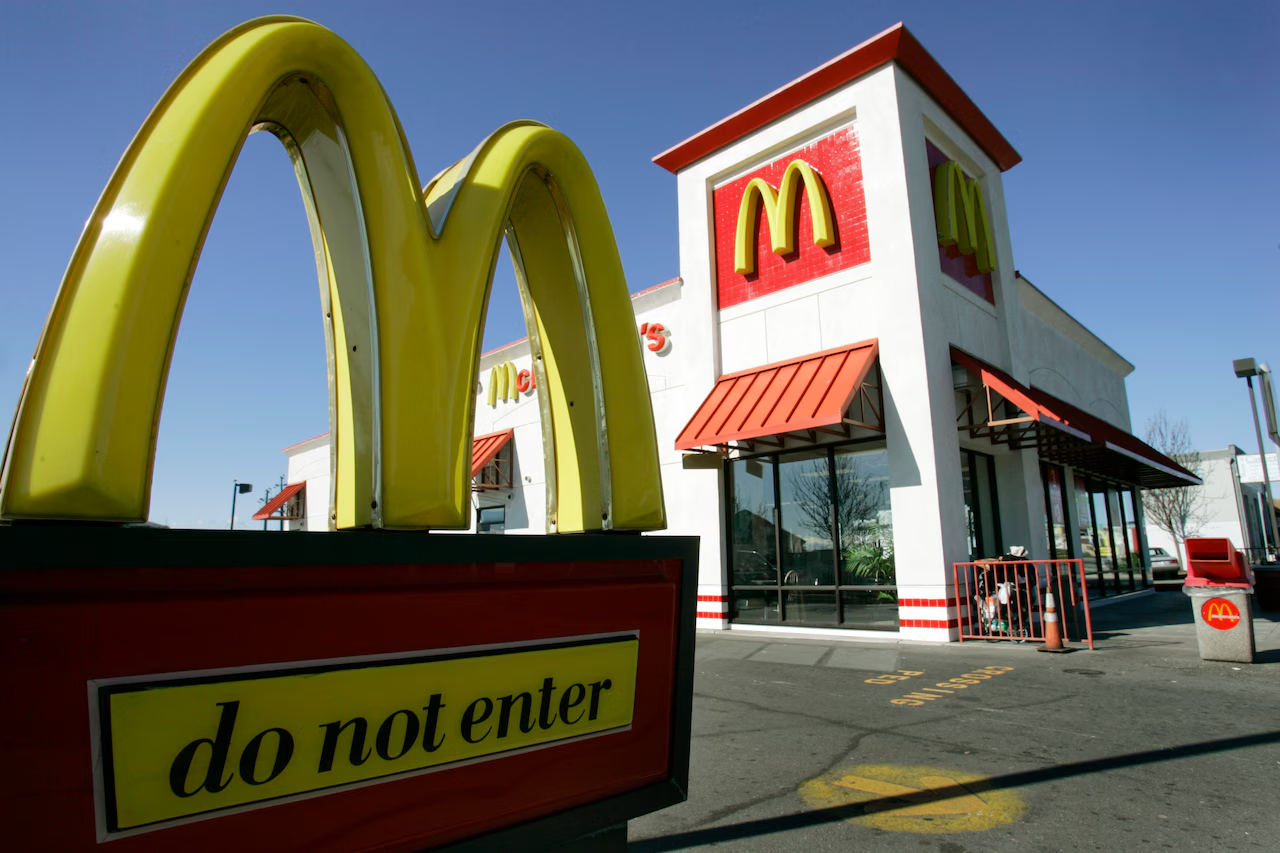
Over the years, many patrons have received significant settlements after suffering burns from excessively hot food or drinks. A notable case involved a child who was burned by McDonald’s chicken McNuggets, whose family was awarded $800,000. In another instance, a lawsuit against McDonald’s in 2023 for serving coffee that was excessively hot also brought attention to this issue. The infamous Liebeck v. McDonald’s case from the ’90s set a precedent that continues to influence these cases today.
As an enthusiastic tea drinker myself, I often find that my to-go tea is so hot that I refrain from tasting it for at least 15 minutes. This feeling resonates with many customers.
We spoke with personal injury attorney Ash Watkins, who practices in Nevada and California, to shed light on what consumers should know should they find themselves in a similar predicament while dining out.
How Hot Is Too Hot?
Watkins indicates that there isn’t a specific legal temperature threshold for initiating a lawsuit; however, if you sustain an injury that requires medical attention due to food or beverage being served at an excessively high temperature, you may have grounds for a negligence claim. This means you could seek compensation for medical treatment, pain, lost wages, and other related expenses.
“Legally and practically, anything over 160°F is a red zone,” says Watkins. This indicates that temperatures above this point can lead to second- or third-degree burns, along with accompanying scars, medical expenses, and pain. Ideally, restaurants should target serving temperatures between 125°F and 136°F for hot beverages. “Serving at 190°F, as some establishments do, isn’t about flavor—it’s a liability,” she states.
In the 2023 McDonald’s coffee case, the drinks approached temperatures over 180°F. Watkins adds, “If it’s too hot to handle without a warning, then it’s too hot to be served.” This becomes complex with tea, as its brewing temperatures can vary from 175°F to 212°F, placing the responsibility on restaurants or cafes to allow sufficient cooling before serving.
Does Temperature Differ When It Comes To Food Vs. Drinks?
When discussing temperature in relation to food versus beverages, it’s essential to note that the principles remain unchanged. Typically, anything above 110°F can lead to superficial burns, Watkins states, while prolonged contact with items above 160°F can result in second- or third-degree burns for both categories.
However, there are varying standards for food safety; hot food should remain above 140°F to prevent bacterial growth yet should be served below 160°F to avoid injuries. Guidelines from the USDA stipulate minimum internal temperatures necessary for diverse foods and meats to mitigate the risk of food-borne illnesses, with ranges from 145°F for beef, pork, and shellfish to 165°F for poultry and casseroles. As a rule of thumb, restaurants need to allow foods to cool slightly prior to serving.
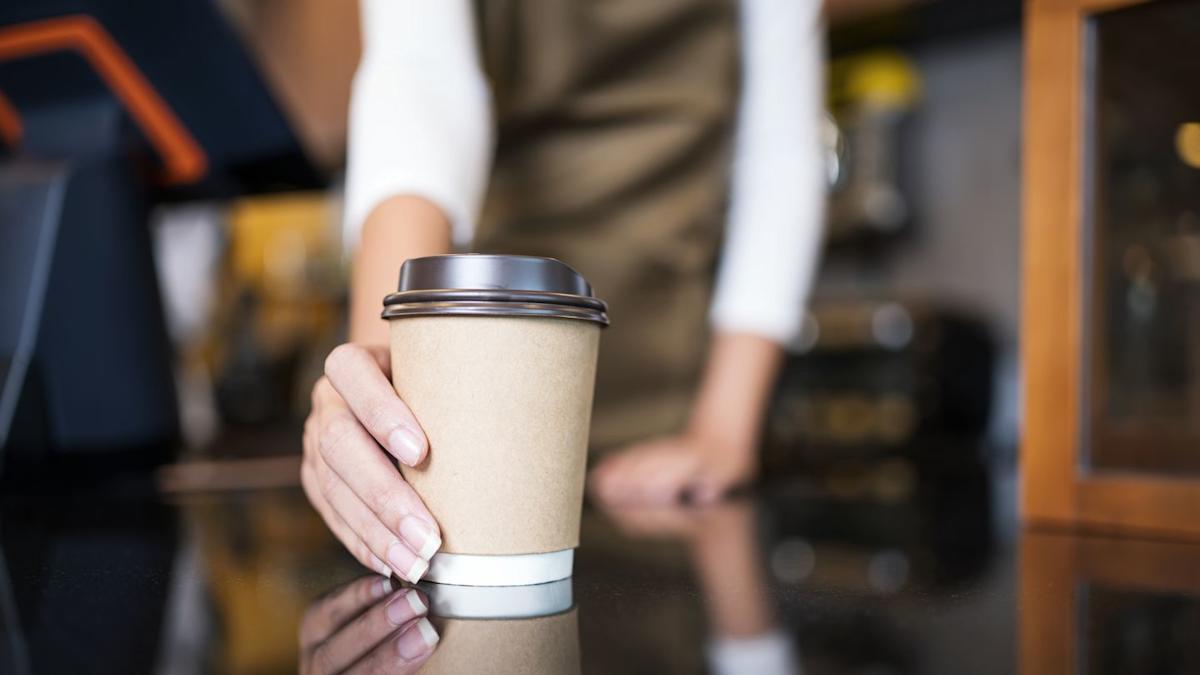
“In general, coffee is served at 160°F, which can cause third-degree burns in approximately 20 seconds of skin contact,” notes Watkins. The severe burns suffered by the McDonald’s plaintiff arose within mere seconds, necessitating skin grafts and leading to permanent disfigurement. Conversely, serving hot beverages at lower temperatures could grant consumers extra time to react if there’s a spill, offering an additional 15 seconds to wipe away any liquid before serious injury occurs.
Context Matters
Just because a dish or beverage is served at a high temperature doesn’t mean it automatically warrants a lawsuit. Watkins explains, “Many cases reveal that the temperature of the food or drink involved is only one aspect of a broader investigation into liability and negligence.” For example, in the Starbucks case, while the tea served was excessively hot, the court found that the employee failed to secure the cup correctly in the to-go tray, compounding the issue.
Watkins provides another scenario: “Serving a hot beverage at 120°F may seem reasonable. But consider if that drink is hot chocolate for kindergarteners, who are known to spill drinks frequently during lunch. The context alters everything. A beverage that’s acceptable in one situation may lead to a lawsuit in another.”

Ekaterina Goncharova – Getty Images
The bottom line is that if a business does not exercise reasonable care and that negligence results in harm, they can be held liable, according to Watkins. “Proper employee training in handling hot food and drinks is vital for customer safety,” she says. If you find yourself in a similar situation, it is advisable to complete an incident report with the establishment and seek medical attention promptly.
Key Takeaways
- Temperatures over 160°F significantly increase the risk of severe burns.
- There is no legal temperature cutoff for filing lawsuits, but injuries requiring medical treatment may lead to negligence claims.
- Hot beverages should ideally be served between 125°F and 136°F to prevent burns.
- Context matters; a temperature deemed safe in one setting may be unsafe in another.
- Proper employee training and safety measures are crucial in preventing customer injuries.
FAQ
What temperature is considered too hot for beverages?
Beverages served above 160°F are generally considered too hot and can result in serious burns.
Can I sue a restaurant if I get burned by food or drink?
If the injury requires medical treatment and the temperature was excessively high, you may have grounds for a negligence claim.
What should I do if I get burned at a restaurant?
Document the incident and seek medical care as soon as possible. File an incident report with the establishment.
Are there laws regarding the serving temperature of hot food?
While specific laws may vary, there are guidelines recommending safe serving temperatures to minimize injury risk.
In conclusion, understanding the risks associated with hot food and beverages can help protect consumers from potential harm. It’s essential for dining establishments to prioritize safety and train staff adequately to mitigate incidents.