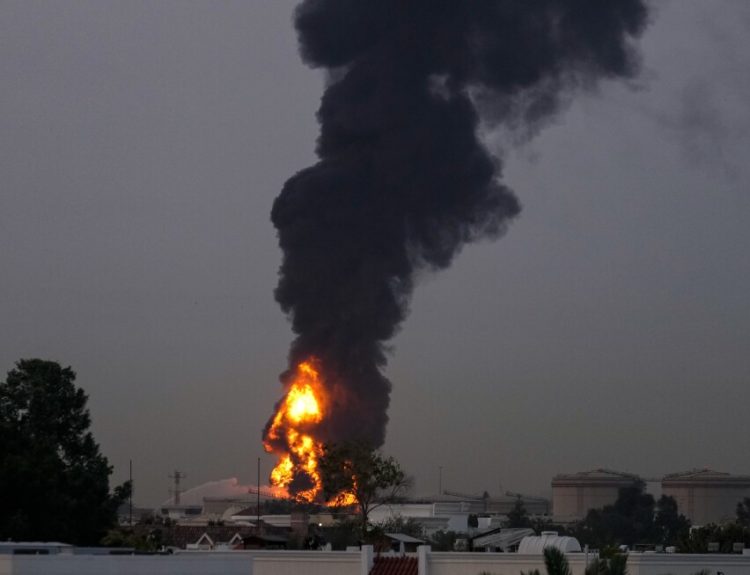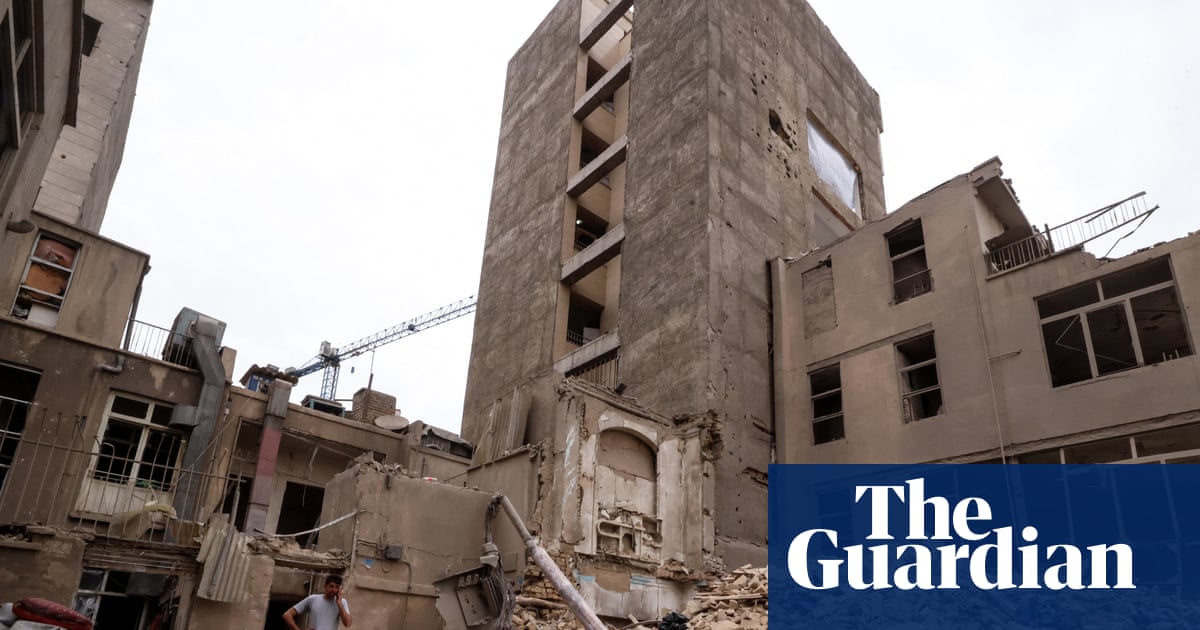
In recent remarks, Donald Trump sparked controversy by questioning the necessity of U.S. involvement in securing the Strait of Hormuz, suggesting that perhaps the nation “shouldn’t even be there at all” due to its ample oil reserves. This statement comes amid heightened tensions and a significant disruption in global oil supply.
The President’s Remarks
The president made these contradictory comments while speaking to reporters aboard Air Force One. His remarks followed a plea to European and NATO allies to join the United States in its military efforts against Iran to protect this vital waterway, which is currently facing unprecedented disruptions.
“Really, I’m demanding that these countries come in and protect their own territory – because it is their territory,” he stated. “They should come and they should help us protect it. You could make the case that maybe we shouldn’t even be there at all, because we don’t need it. We have a lot of oil. We’re the number one producer anywhere in the world times two.”
Trump faced backlash at the outset of the current conflict involving the U.S. and Israel over Iran, criticized for not clearly articulating the rationale behind military actions. Since then, he has made several contradictory statements, including informing the UK, described as a “once great ally”, that its assistance was unnecessary for Operation Epic Fury.
His latest comment prompted immediate criticism on social media, where detractors accused him of initiating an unwarranted war while expecting other nations to intervene. One notable post highlighted the anguish of families of the 13 U.S. service members who have died in the conflict, questioning how they might feel about the president’s assertion that the U.S. “shouldn’t even be there.”
The cousin of Tech Sgt Tyler Simmons, one of the airmen lost in a recent crash, shared devastating sentiments, remarking on the nightmare they are experiencing and voicing belief that the conflict could have been prevented. “We didn’t need to be in this war. This is uncalled for, and this is what we get,” he stated.
In another exchange, an editor at MeidasTouch reposted a social media reply questioning Trump’s stance by stating, “Sorry, what was that?”
On the same day, Trump shifted his previous stance on international support and intensified calls for multiple countries to assist in the defense of the Strait of Hormuz. However, nations such as Australia, France, and Japan have made it clear they do not intend to deploy warships. UK Prime Minister Keir Starmer announced that he is coordinating with European partners to formulate a “viable plan” for reopening the Strait, reinforcing that the UK will not engage in the larger conflict.
Luxembourg’s Deputy Prime Minister, Xavier Bettel, expressed that his country would not yield to perceived pressures from the U.S. to involve itself further in conflicts.
During his remarks on Sunday, following a weekend at Mar-a-Lago, Trump conveyed that the U.S. efforts to secure the Strait may largely benefit other nations. “It’s almost like we do it for habit, but we also do it for some very good allies that we have in the Middle East,” he commented.
Trump mentioned having discussions with various countries that he believed would assist but did not specify them. He stated on social media that he anticipated nations like China, France, Japan, South Korea, and the UK would join in the efforts.
In a different interview, Trump adopted a more threatening tone, warning that NATO faces a “very bad” future if it does not support U.S. initiatives to safeguard the Strait from Iranian threats. He also noted that he might postpone an upcoming meeting with Chinese President Xi Jinping until he ascertains whether China, an ally of Iran, would offer assistance.
Key Takeaways
- Trump questioned U.S. involvement in the Strait of Hormuz amid ongoing military actions.
- His comments have drawn criticism from various quarters, including military families.
- Multiple nations, including Australia and Japan, have declined to send warships.
- Trump’s remarks reveal a contradictory stance on foreign military assistance.
- Discussions with various countries about involvement in the Middle East are ongoing.
- NATO’s future could be uncertain if they do not support U.S. strategies.
FAQ
What prompted Trump’s remarks about the Strait of Hormuz?
His comments came after a plea for international assistance to secure the area amidst military conflicts and oil supply disruptions.
How have critics responded to Trump’s statements?
Critics have accused him of instigating an unnecessary war and expecting allies to intervene.
Which countries have stated they will not send warships?
Countries like Australia, France, and Japan have made it clear they have no plans to deploy naval support.
What did Trump suggest about NATO’s future?
He warned NATO of a potentially negative future if they do not support U.S. efforts to protect the Strait from Iranian threats.
What was the reaction from military families?
Family members of service members expressed deep pain and frustration over Trump’s comments, suggesting that the conflict could have been avoided.