Beans and pulses are gaining significant attention today. Nutritionists wholeheartedly endorse them; experts can’t praise them enough; and celebrity chefs are encouraging the public to “add some beans” to their meals, inspired by a report from The Food Foundation linking low bean consumption to approximately 9,000 premature deaths annually in the UK.
Most are familiar with common beans and pulses such as haricot beans, butter beans, chickpeas, kidney beans, and lentils, often sourced globally. Yet, there’s one British-grown pulse that deserves more attention: the carlin pea.
Historically, carlin peas have been part of British cuisine for centuries. They were first cultivated by monks during the Middle Ages as an essential component of their Lenten diet and later became popular in northern England as a traditional food.
Known by various names across the UK, carlin peas may also be referred to as badger beans, brown badgers, black peas, grey peas, maple peas, or pigeon peas, says British pulse and grain producer Hodmedod’s.
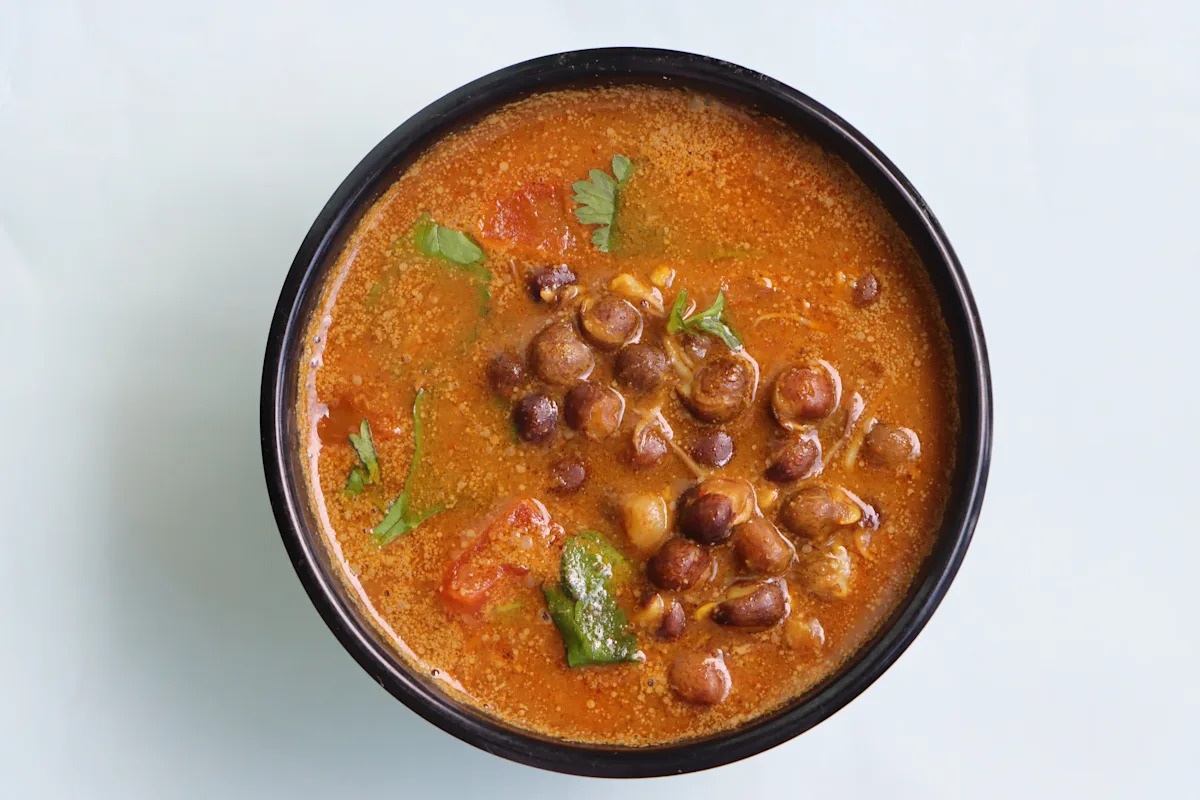
These dark brown pulses, characterized by their marbled appearance, feature tender skins and a firm texture, boasting a nutty flavor reminiscent of chestnuts. Their rich history is tied closely to tradition, as they are consumed during Carlin Sunday—a celebration on the fifth Sunday of Lent in northeast England—and featured in a Lancashire dish called parched peas during Bonfire Night.
Recently, the surge in interest in beans has led to a rise in the popularity of carlin peas throughout the UK, aided by brands like Hodmedod’s, Bold Bean Co, and Riverford, who are promoting their benefits.
The Benefits of Carlin Peas
Carlin peas are traditionally enjoyed on the fifth Sunday of Lent in northeast England or during Bonfire Night in Lancashire.
(Pravruti via Getty Images)
Recognized as a high-protein, high-fiber, and quintessentially British legume, carlin peas are an excellent alternative to chickpeas or lentils. According to Bold Bean Co, these peas contain 23g of protein and 3.4g of fiber per 100g. With a low calorie count of only 140 calories per 100g, they also contribute to your five-a-day intake.
Their impressive fiber content is particularly relevant today, in light of the popular “fibremaxxing” trend that has gained traction on social media. Brits are seeking more high-fiber foods to enhance a healthier diet—an initiative that experts applaud, especially given that 96% of the population struggles to meet their fiber requirements.
Sufficient dietary fiber intake is crucial for overall health. It helps maintain good gut function by promoting regular bowel movements and supporting beneficial gut bacteria. Moreover, a fiber-rich diet has been associated with a reduced risk of various diseases.
These diseases include lower rates of bowel cancer, as well as obesity, which has been linked to a greater likelihood of developing bowel cancer and other conditions like type 2 diabetes.
The deep brown and purple marbling seen in carlin peas is due to the abundant anthocyanins they contain. These antioxidant pigments are also present in other purple fruits and vegetables such as blueberries, beets, and red cabbage.
Anthocyanins have been linked to enhancements in cardiovascular and brain health, as well as providing anti-inflammatory and cancer-fighting benefits.
Incorporating Carlin Peas into Your Diet
Traditionally, carlin peas are boiled, cooled, and then seasoned generously with salt and vinegar. However, their versatility offers endless possibilities; they can enhance stews, curries, and even salads!
Here are two delightful ways to prepare carlin peas:
Carlin Pea Ragu by Bold Bean Co
Create a hearty vegetarian ragu featuring carlin peas and pasta.
🫘 Why It Works
This recipe is perfect for crafting a vegetarian adaptation of a traditional meaty ragu, loading your lunch or dinner with plant-based protein and fiber. It can be easily scaled up for batch cooking and stored in portions, making it a convenient option for quick, healthy meals.
🕒 Speed Rating
This recipe by Bold Bean Co can be made in just 40 minutes.
🛒 Key Ingredients
-
Veggies: Carlin peas, onion, carrot, celery, garlic, chopped tomatoes, parsley
-
Carbohydrates: Orechiette or any short pasta of your choice
Chard and Bean Minestrone by Riverford
This delicious dish is a vegan twist on the classic and versatile minestrone soup.
(luchezar via Getty Images)
🫘 Why It Works
Minestrone is a simple yet classic soup that offers tremendous versatility, allowing the addition of any vegetables you desire. Riverford’s recipe suggests using any type of beans you have available, whether it be carlin peas, white beans, or butter beans. It’s also an excellent recipe for batch preparation, allowing you to prepare meals in advance for the week.
🕒 Speed Rating
Dinner can be ready in just 30 minutes.
🛒 Key Ingredients
-
Veggies: Carlin peas (or other beans), leek, carrot, chard, potato, garlic, rosemary