Understanding the Impact of Diet on Health
The influence of food on our health cannot be understated. Over the years, various diets, from low-fat to low-carbohydrate, have stirred debate about the best strategies for achieving overall health and effective weight loss. As more research emerges, dietary guidelines continue to evolve, offering clearer insights into what we should consume for optimal well-being. Recent studies highlight that while calorie count is significant, the quality of food we choose is equally crucial in maintaining a healthy weight.
Low-Fat Diets
Low-fat diets emerged from the belief that reducing fat intake—known to be higher in calories relative to carbohydrates and protein—would lower overall caloric consumption and mitigate obesity. Research dating back over fifty years suggested that such diets could also prevent heart disease, linking high-fat diets to elevated blood cholesterol levels. By the 1990s, fat-free products became commonplace across many nations, with various food pyramids recommending limited fat consumption. Fortunately, recent dietary guidelines have begun to recognize the complexity of fats, encouraging a moderate intake of healthier fat sources.
Low-Carbohydrate Diets
Dr. Robert Atkins, a prominent American cardiologist, was one of the first to advocate low-carbohydrate diets as a method for weight loss. The idea was that reduced carbohydrate intake would prompt the body to utilize fat for energy. Several studies reported that the Atkins diet effectively aided in weight loss and improved certain cardiovascular risk factors. This diet saw its peak popularity in the early 2000s. Today, many individuals show a keen interest in low-carb and high-protein diets, which often appear to market highly processed foods as healthy choices.
It’s the Food, Not Just the Diet
Research underscores the significance of diet quality in promoting cardiovascular health. However, it remains unclear whether food quality is more important than the balance of carbohydrates, fats, and proteins consumed. Mixed evidence has emerged concerning low-fat and low-carb diets’ effectiveness in reducing coronary artery disease risks, and long-term studies on these dietary patterns are relatively few. A noteworthy study titled Effect of Low-Carbohydrate and Low-Fat Diets on Metabolomic Indices and Coronary Heart Disease in US Individuals was published in the Journal of the American College of Cardiology on February 11, 2026. This research aimed to explore the relationships between fat and carbohydrate-focused diets and coronary heart disease risk among US adults.
Researchers from the Harvard T.H. Chan School of Public Health analyzed data from 198,473 individuals across three cohort studies spanning over 30 years. These studies included the Nurses’ Health Study (1986-2018) with 64,164 women, the Nurses’ Health Study II (1991-2019) with 91,589 women, and the Health Professionals Follow-Up Study (1986-2016) with 42,720 men. Participants received food frequency questionnaires via mail every two to four years, which assessed their dietary habits, lifestyle choices, medication use, and chronic disease diagnoses. These questionnaires emphasized the quality and sources of macronutrients, distinguishing between animal and plant-based foods, as well as whole and refined carbohydrates.
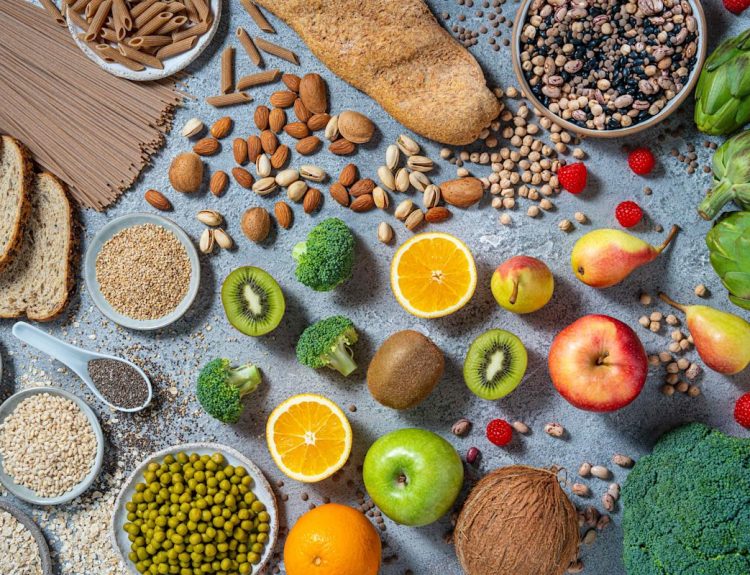
Based on this information, the diets were categorized into “healthy” and “unhealthy” low-carb and low-fat diets. Unhealthy diets favored animal proteins and fats, potatoes, refined grains, and added sugars, while healthy diets prioritized vegetable proteins and fats, non-starchy vegetables, whole fruits, legumes, and whole grains. The researchers then examined how these dietary types related to coronary heart disease incidence, encompassing self-reported coronary revascularization, non-fatal heart attacks, and mortality linked to coronary heart disease. Health records confirmed heart attack cases, while death confirmations were obtained from family notifications, postal authorities, and national records.
Key Study Findings
The study yielded several critical insights:
- Healthy variations of both low-carb and low-fat diets—emphasizing plant-based foods, whole grains, and unsaturated fats—were associated with a notably lower risk of coronary heart disease.
- Unhealthy versions of these diets, high in refined carbohydrates and animal-based fats and proteins, correlated with a higher risk of coronary heart disease.
- Eating healthy and balanced diets was linked to lower triglyceride levels, higher HDL cholesterol levels, and reduced inflammation.
Additionally, metabolomic analyses confirmed these findings, indicating favorable biomarker profiles tied to healthier dietary patterns. The authors concluded, “These findings underline the importance of diet quality in influencing the health outcomes of low-carbohydrate and low-fat diets concerning coronary heart disease risk,” indicating that the healthier versions of these diets might share pathways that promote a favorable cardiovascular profile.
Like any research, this study had its limitations. The subjects primarily comprised healthcare professionals, which may limit the generalizability of the results. Furthermore, the dietary information was self-reported, leaving room for potential measurement errors. Extreme dietary patterns, such as the ketogenic diet—which usually has carbohydrate intake around 5% of total energy—were also not assessed.
Senior study author Associate Professor Dr. Sun Qi noted that the healthy foods highlighted in this investigation are in line with those recommended in numerous other healthy dietary models, including the Mediterranean diet, the DASH diet, and the healthy plant-based diet index.
Looking Beyond Diets
Dr. Harian M. Krumholz, editor-in-chief of the Journal of the American College of Cardiology, emphasized, “This study advances the discussion beyond the old debate over low-carbohydrate versus low-fat diets. It reveals that the quality of what individuals consume plays a crucial role in heart health.” He added that whether a diet is lower in carbohydrates or fats, prioritizing plant-based options, whole grains, and healthy fats consistently correlates with better cardiovascular results.
In summary, it is the quality of macronutrients, rather than their quantity, that significantly impacts heart health. A balanced diet is defined by the choices individuals make regarding their food. Both low-carb and low-fat diets can reduce the risk of heart disease if they are rich in high-quality, plant-based foods and limited in animal products.
Dr. Milton Lum is a former president of the Federation of Private Medical Practitioners Associations and the Malaysian Medical Association. For further information, email starhealth@thestar.com.my. The opinions expressed here do not reflect those of the organizations with which the writer is affiliated. This information is intended for educational purposes only and should not be considered personal medical advice. The Star disclaims any responsibility for losses, property damage, or personal injury resulting from reliance on this information.