Automation is reshaping the business landscape, with over 33% of companies adopting workflow automation. If you haven’t joined this movement yet, you may be paying employees to perform tasks that could be effortlessly handled by technology. Ever heard of no-code AI tools? These platforms act as shortcuts, allowing you to transform your half-baked business ideas into functional apps without the hefty price tag of a developer team. This curated selection introduces tools that promise not only improved efficiency but also the potential for substantial revenue generation.
13. Airtable
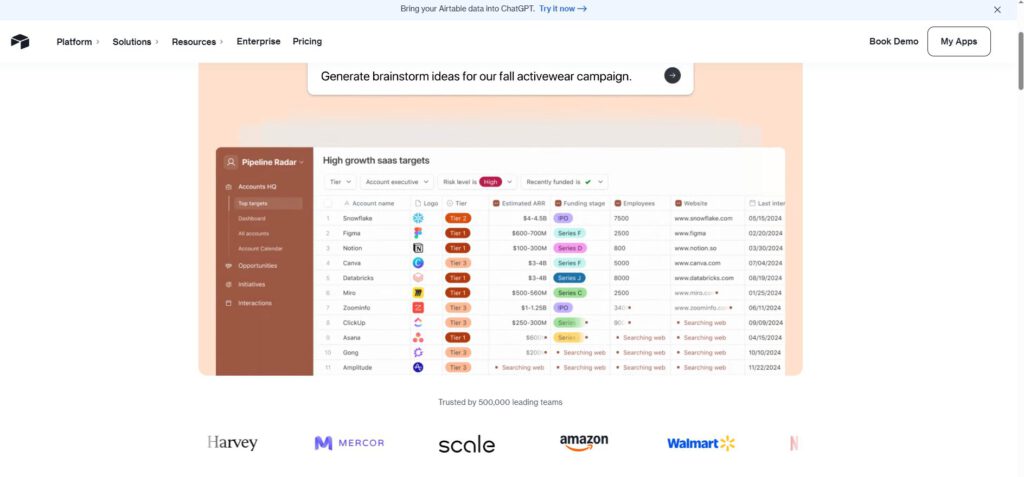
Transform spreadsheets into scalable apps faster than your competition can say “Series A.”
Have you ever wondered how some people create polished apps in a flash? Airtable could be your answer. The platform claims you can “build custom AI apps in minutes, not weeks.” With its ability to handle millions of records, your venture can effortlessly scale during peak times.
Thanks to Zapier integration with over 6,000+ tools, it functions as the ultimate application development toolkit. Imagine a driven entrepreneur piecing together an innovative solution over a weekend—no coding required, just enthusiasm and a passing acquaintance with basic database concepts.
12. Glide
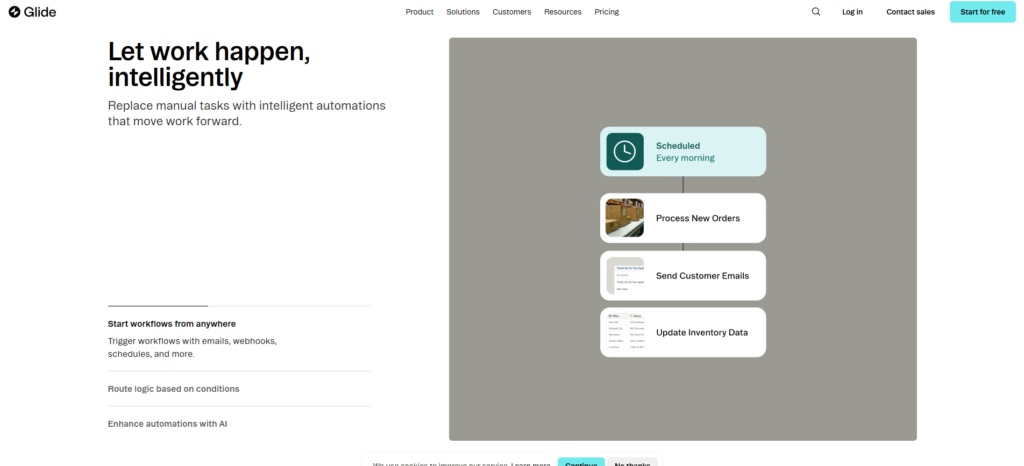
Transform any spreadsheet into a mobile app without touching a line of code.
Spreadsheets can often feel outdated, but with Glide, they become powerful tools for mobile app creation, supporting millions of records for data-intensive applications. You can test the waters with free tiers before diving in fully.
If you’ve attempted to code an app from scratch, you understand the hassle involved. Glide provides a straightforward way to launch internal tools or client-facing platforms without the headache. The simplicity here allows for quick deployment, saving valuable time and resources.
11. Bubble
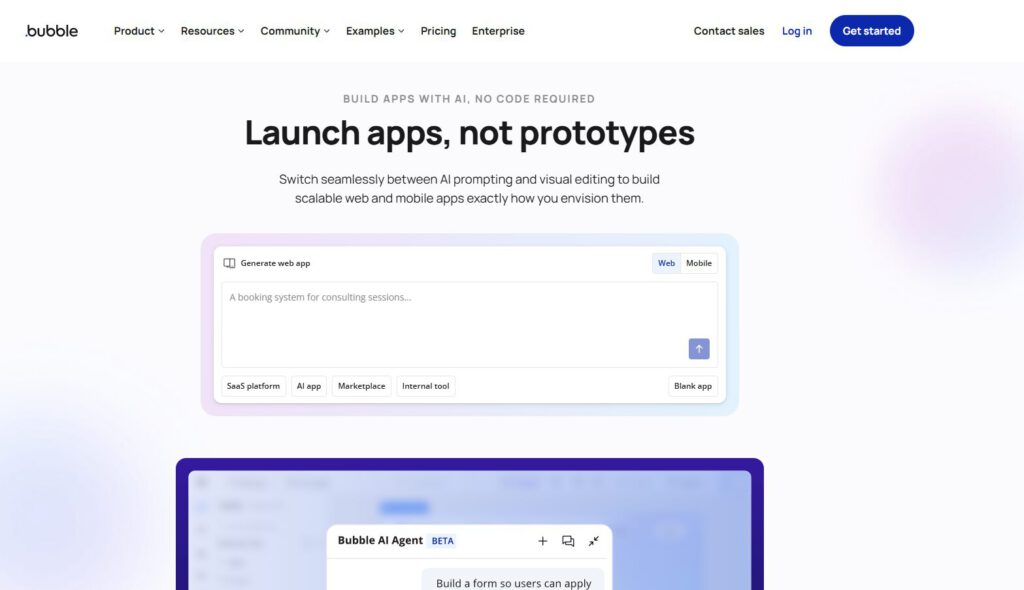
Build full-stack web apps without writing code, because life’s too short for syntax errors.
Bubble enables the creation of complex web applications without any coding. It’s essentially a toolkit for building your software dreams, allowing you to piece together databases, workflows, and user interfaces easily. The platform puts app development into the hands of small businesses and startups.
In a matter of a weekend, a marketing lead can prototype an app. This democratization of app building accelerates the development process, letting you transform ideas into revenue streams before your competition even catches up.
10. Softr
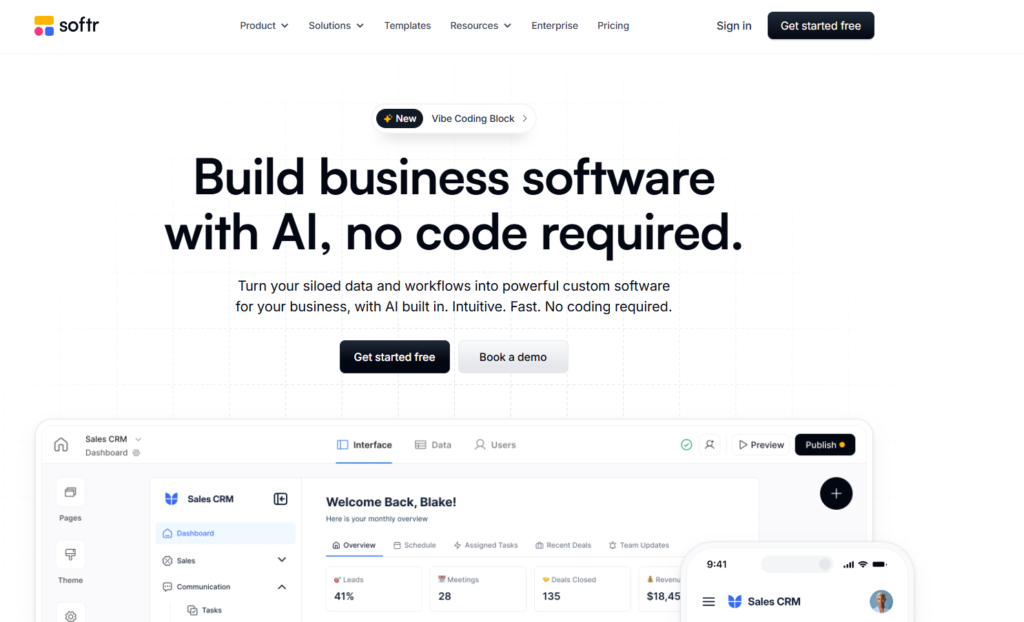
Create data-driven customer portals when your dev team’s MIA.
Imagine needing a customer portal quickly while your development team is unavailable. Softr comes to the rescue, enabling you to build data-driven portals without writing any code. You can dramatically accelerate business growth by going live in just days instead of waiting months for a developer.
Consider a fitness studio that wants to provide its clients with a custom web portal for managing bookings and tracking progress. Softr turns database information into an elegant customer experience, enhancing engagement and satisfaction.
9. Appy Pie
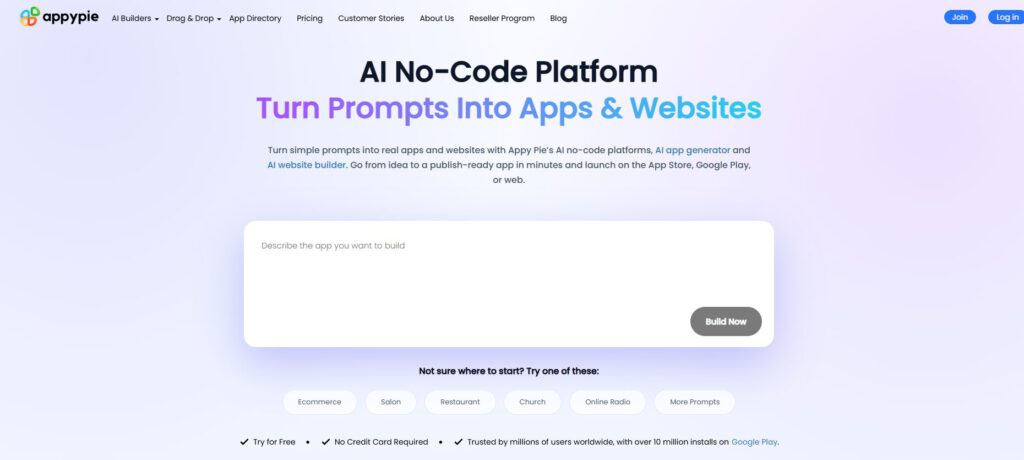
AI-assisted drag-and-drop interface that won’t make your app look like a ransom note.
Remember the chaotic web designs of the past? Appy Pie ensures that doesn’t happen again with its AI-assisted drag-and-drop interface. It’s similar to digital LEGOs for application building.
This platform opens the door for small businesses and startups to create customer portals or workflow applications with ease. For example, a local bakery could develop an app for pre-orders, allowing it to scale operations without a hitch.
8. Backendless
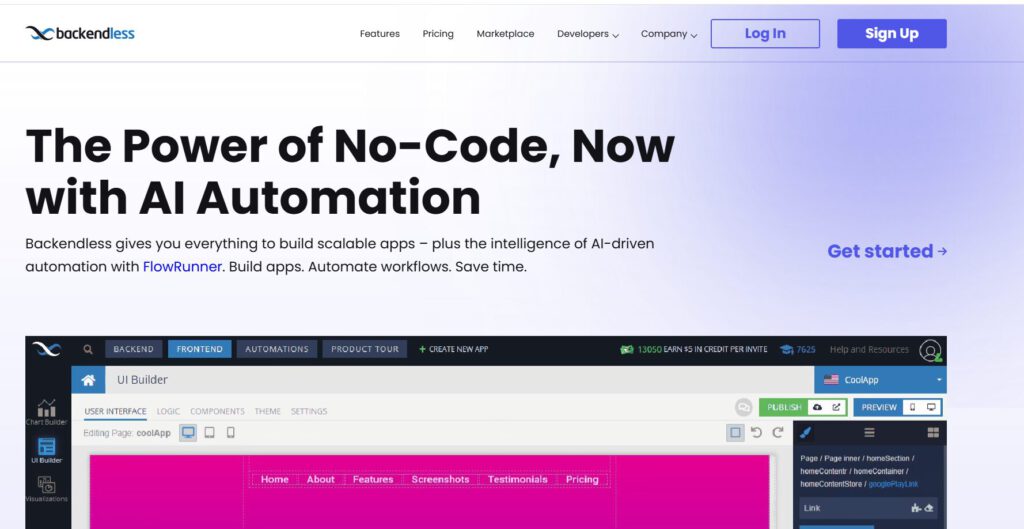
Visual enterprise app development that won’t give you a migraine.
Although visual enterprise app development may seem daunting, Backendless simplifies the process. You can easily drag and drop elements to create a custom app—think of it as the IKEA of enterprise solutions, where you can achieve results without the expensive custom development costs.
This platform empowers non-technical users to streamline workflows. If your marketing team doesn’t know the difference between Java and coffee, Backendless allows them to create their own custom solution, hopefully reducing chaos in the office.
7. Codeless ONE
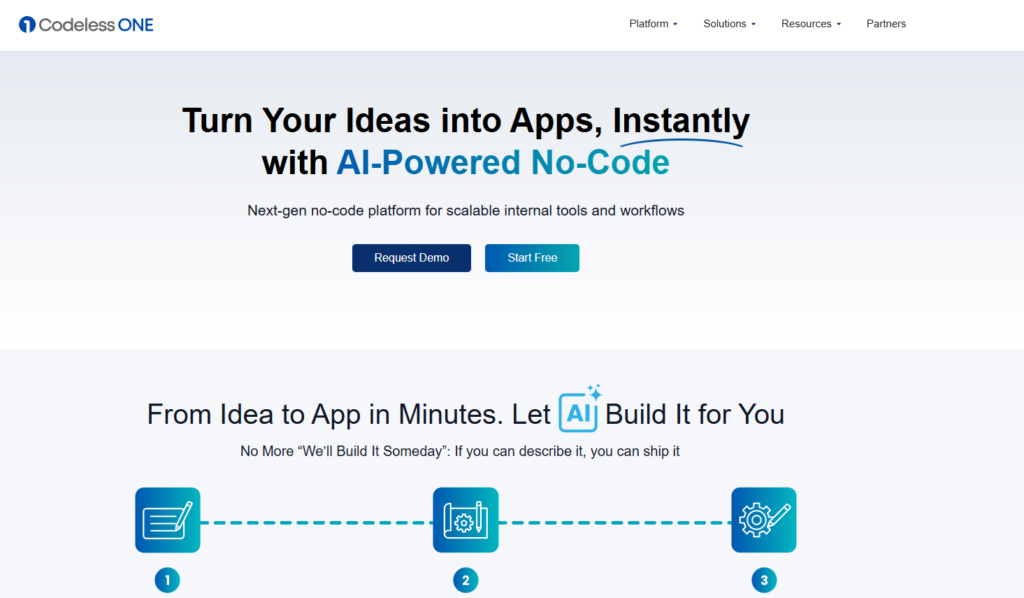
AI agents handle the heavy lifting while you focus on strategy.
What if you need a workflow app immediately, but your coding skills hardly extend beyond a Zoom background change? Codeless ONE employs AI agents to automate app creation without requiring you to master JavaScript. It’s essentially a process automation toolkit that simplifies your workload.
This platform empowers users without a technical background to build applications swiftly. If you need to optimize customer onboarding or automate lead qualification, Codeless ONE makes it as easy as drag-and-drop.
6. Chisel
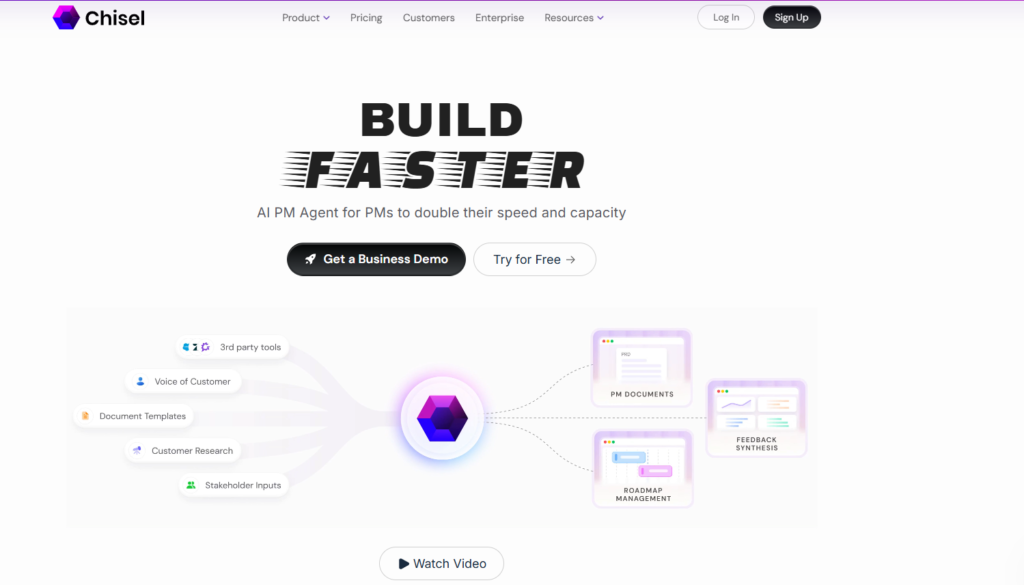
AI-powered product management that makes roadmapping collaborative.
Gone are the days when product management meant dreary meetings and incomprehensible Gantt charts. With Chisel’s AI-powered platform, teams can prioritize features, align roadmaps, and gather user feedback—all within one tool.
Forget struggling with endless presentations; Chisel is changing the game. It allows for scalability in product development without the typical communication hurdles. Ultimately, this platform transforms product management from a burden into a key driver of growth.
5. Galileo AI
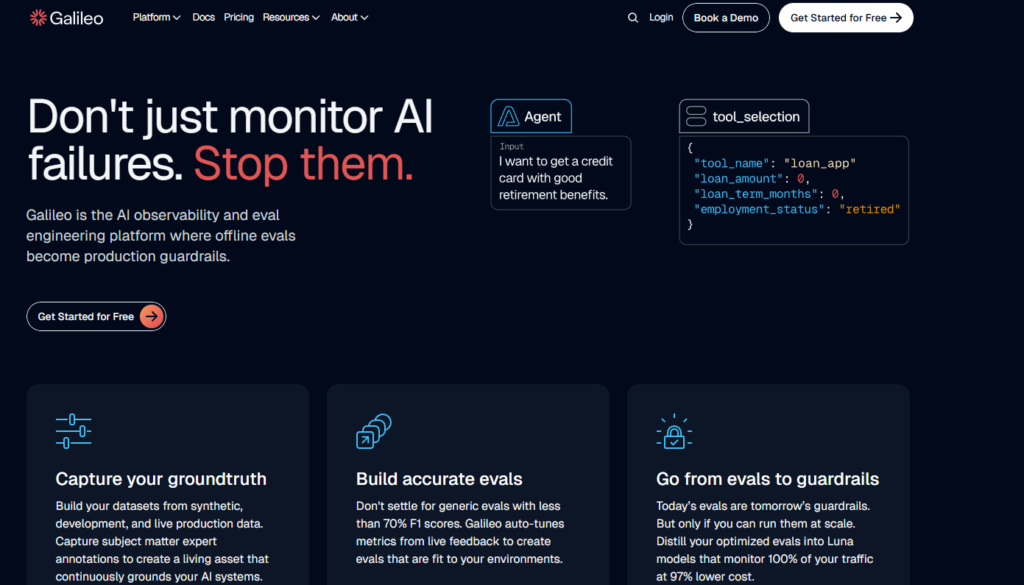
UI design from prompts, because learning Figma is optional.
Galileo AI simplifies UI design, allowing users to create stunning interfaces through simple prompts. You no longer need to be a design expert to produce something appealing. Whether you want to mock up an app like Duolingo or any other creative concept, Galileo AI removes the design bottleneck.
4. Buzzy
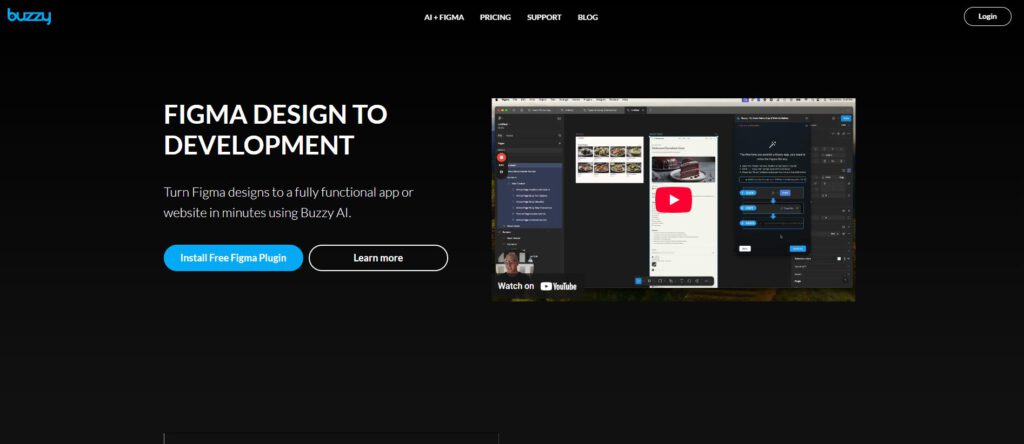
Convert Figma designs into actual apps without the usual developer drama.
While many tools make grand promises, Buzzy stands out by converting Figma designs into functional apps seamlessly. For small business owners needing a custom solution to manage customer orders, this tool offers a straightforward and efficient pathway for app development.
Instead of weeks spent on coding, Buzzy allows for rapid prototyping through a drag-and-drop interface, significantly simplifying the process.
3. WeWeb
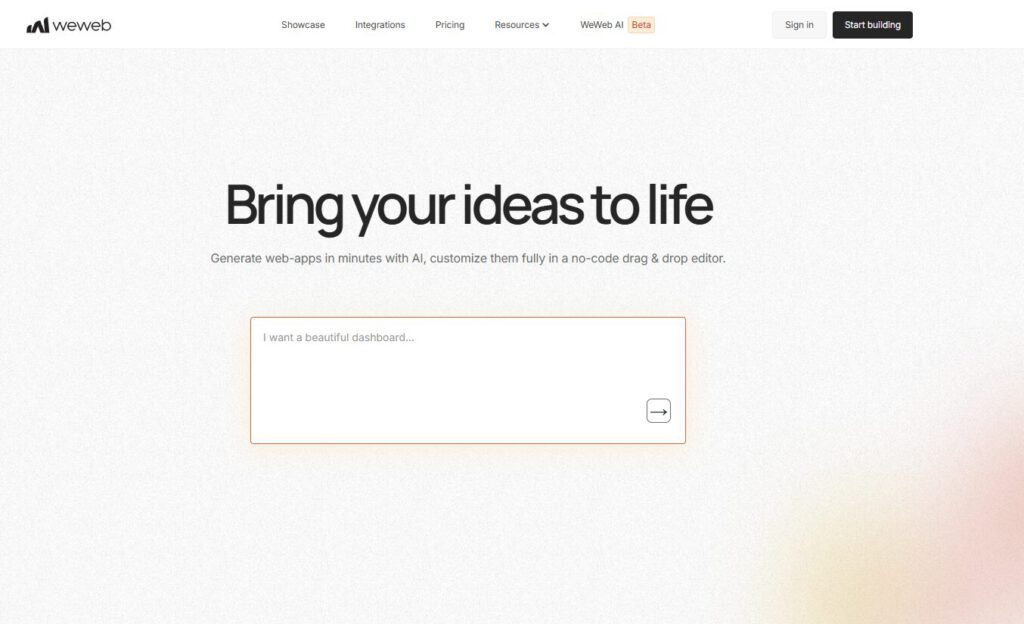
Scale your business without turning your dev budget into a black hole.
WeWeb offers a rapid application-building solution, allowing users without coding skills to create functional web apps. If you require a customer portal fast, this platform helps you bypass technical hurdles.
While it boasts reduced development costs and allows non-technical users to take charge, remember: you still have to guide the project. Your marketing assistant can automate lead capture, but the aesthetics are still on you, so set your expectations appropriately.
2. Thunkable

Mobile app development for those whose coding skills peaked in the MS-DOS era.
If your vision for a mobile app feels daunting due to your outdated programming knowledge, Thunkable is here to help. This no-code platform allows you to easily create mobile applications without breaking the bank.
Think of Thunkable as the construction kit for app development: combine pre-built blocks, and you have a functional prototype. Need to lessen the paperwork burden? Thunkable enables you to create customized workflow apps quickly, streamlining operations as effectively as a professional organizer.
1. Zapier
The internet’s matchmaker, connecting apps that were never designed to be friends.
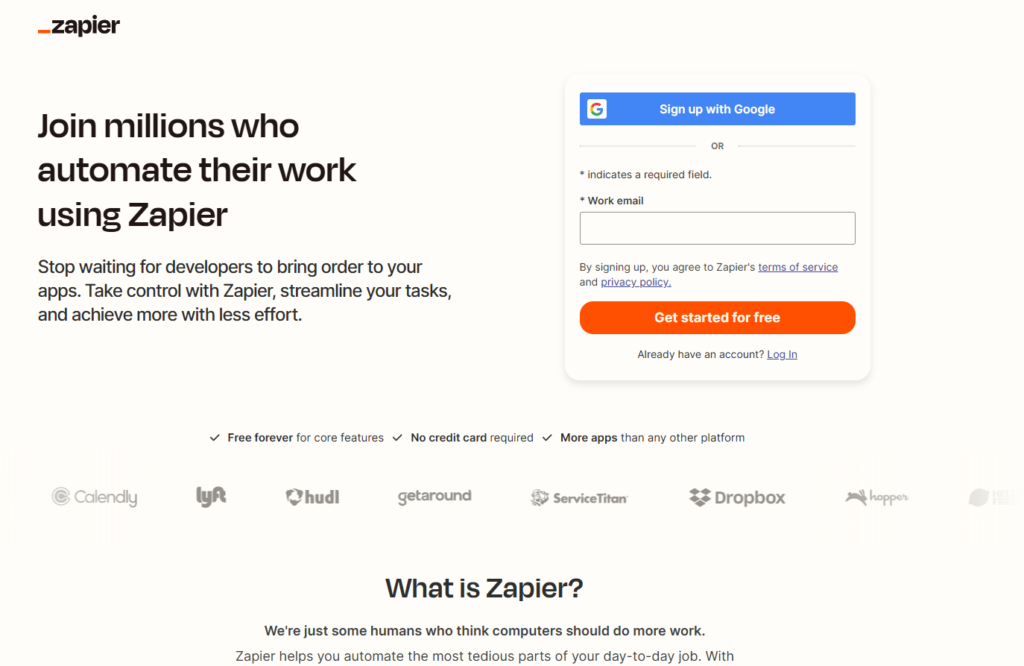
If you aren’t automating, you’re missing out, and Zapier is your essential tool for making connections. With integration capabilities for over 6,000 apps, it enables you to link applications in ways you never imagined.
Think of Zapier as the ultimate web connector. Whenever someone purchases your artisanal toaster on Etsy, Zapier updates your inventory in Google Sheets, notifies you via SMS, and even reorders packing materials from Amazon—all in a flash. It’s efficiency at its finest!