Exploring the Gut-Muscle Connection: What You Need to Know for Better Fitness
In recent years, research has highlighted the role of gut health in overall well-being, with emerging evidence suggesting a fascinating link between gut bacteria and muscle strength. As we age, maintaining muscle strength becomes increasingly important, and understanding how our gut microbes influence this process can empower us to make effective choices for our fitness.
The Role of Gut Microbes
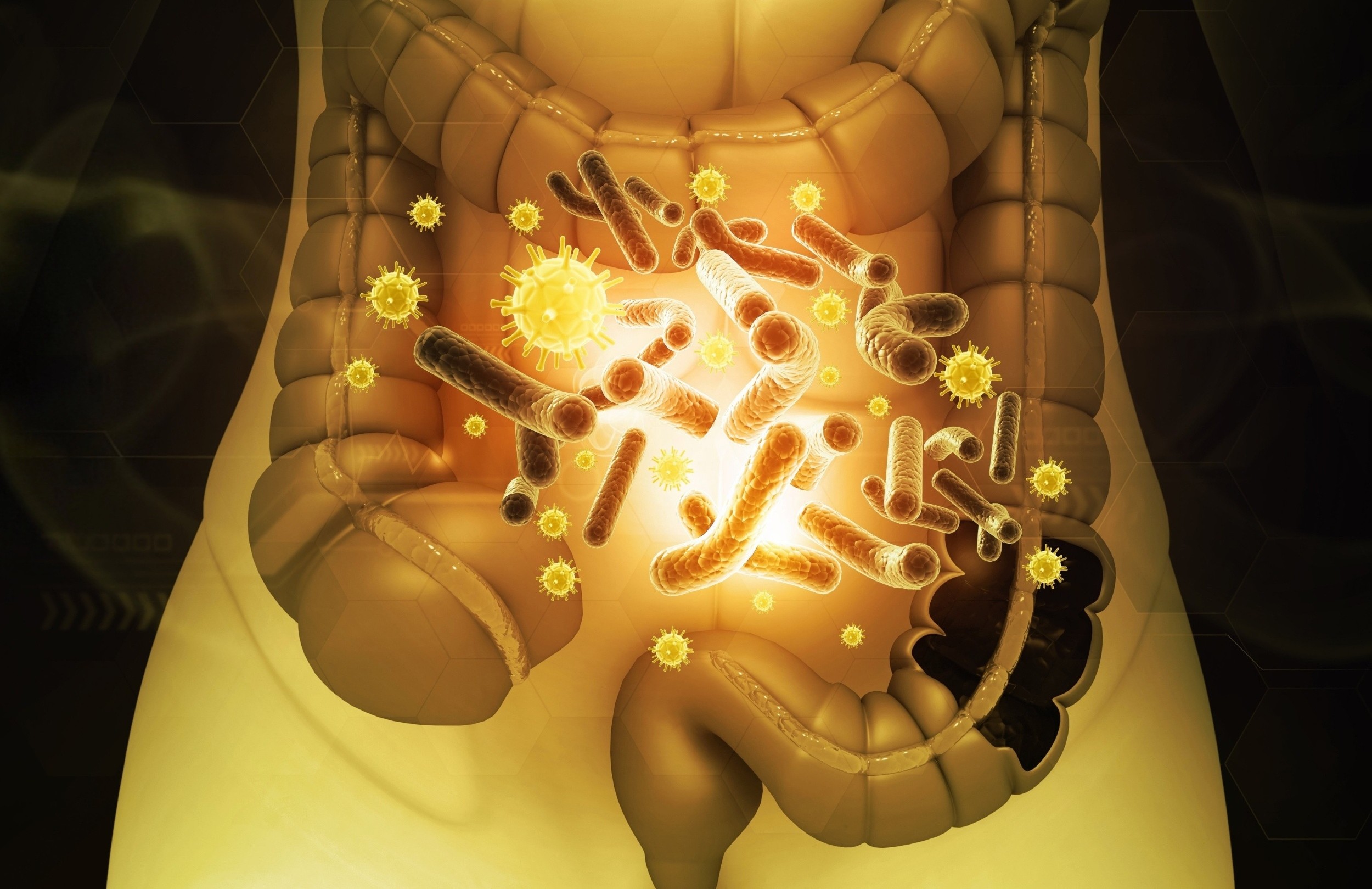
Tiny microbes residing in the human gut play vital roles in digestion, immune function, and energy utilization. Scientists are now investigating how these microorganisms might also play a significant part in muscle strength. As muscles naturally weaken with age, factors such as exercise and diet are essential, but maintaining a balanced gut microbiome appears increasingly important.

A Surprising Discovery
Recent studies have focused on the Roseburia genus of bacteria, known for aiding digestion by producing beneficial compounds. New findings indicate that these microbes may also positively impact muscle health. Researchers from the University of Almería, the University of Granada, and Leiden University Medical Center conducted a study that shed light on this gut-muscle connection.
Professor Jonatan Ruiz from the University of Granada stated, “Our findings provide robust evidence for a gut-muscle axis in which Roseburia bacteria positively influence muscle metabolism and strength.”
Study Highlights: Understanding the Human Connection
To investigate this connection, researchers analyzed stool samples from two groups: 90 healthy young adults aged 18 to 25 and 33 older adults aged 65 and over. Participants performed a series of fitness tests, including measuring handgrip strength and cardiorespiratory fitness.
Among the various gut bacteria, Roseburia stood out. Higher levels of these microbes correlated with increased muscle mass and strength. Specifically, the species Roseburia inulinivorans was associated with improved grip strength in older adults, revealing a 29% advantage over those lacking this bacterium. Young adults with higher concentrations of this microbe also exhibited stronger grip strength and better fitness levels.
Insights from Animal Research
While human data indicated a strong connection between Roseburia and muscle strength, researchers sought to establish if these bacteria could directly influence muscle function through experiments on laboratory mice. The scientists first eliminated the mice’s natural gut microbes using antibiotics and then introduced human strains of Roseburia weekly for eight weeks.
The results were remarkable. Mice with the introduced bacteria exhibited a 30% increase in grip strength compared to control mice. Additionally, their muscle fibers grew larger, especially type II muscle fibers known for their role in strength and power. Changes in the proteins and enzymes responsible for energy production were also observed, further supporting the potential role of Roseburia in enhancing muscle function.
Age-Related Decline in Beneficial Bacteria
An important aspect of the research revealed that Roseburia levels decreased in older adults. This reduction might contribute to the decline in muscle mass that often occurs with aging. If these microbes are crucial for muscle health, their decreased presence in our gut as we age may weaken the metabolic support muscles receive.
Researcher Borja Martínez Téllez commented, “There is potential for using Roseburia as a probiotic to help preserve muscle strength as we age.” This approach suggests that supporting gut health could lead to improved muscle function instead of directly targeting muscle strength.
Moving Forward: Remaining Questions
Despite these promising findings, several questions still linger. The introduced human strains of Roseburia did not permanently colonize the mice’s intestines, and the research did not explore biological pathways, such as inflammation or nerve signaling. A crucial question remains: Does Roseburia inulinivorans actively strengthen muscles, or do inherently stronger individuals simply host more of this bacterium?
These findings highlight an exciting area of research that suggests the gut and muscles may be more interconnected than previously understood.
Conclusion
The emerging research on the gut-muscle connection opens new doors for understanding how our diet and gut health influence physical fitness. While the study points toward the role of beneficial bacteria like Roseburia in supporting muscle strength, further investigation is needed to fully comprehend this relationship. For now, maintaining a balanced diet rich in probiotics and prebiotics, along with regular exercise, remains a cornerstone of any fitness strategy. Emphasizing gut health may not only enhance digestion but also contribute positively to muscle vitality as we age.
If you’re interested in improving your overall fitness, consider looking deeper into how your gut health can be optimized for the best outcomes.
Like what you read? Subscribe to our newsletter for more insightful articles, exclusive content, and the latest updates.
Explore more with us at EarthSnap, created by Eric Ralls and Earth.com.