Understanding Recovery: Five Tips to Help You Heal
Injuries like back tweaks or pulled muscles can feel frustrating and may lead you to believe they will resolve themselves over time. However, without the right approach, you might find yourself dealing with increased stiffness and discomfort. The good news is that by incorporating gentle movements and using effective recovery tools, you can significantly aid your healing process. Fitness and mindset expert Dr. Julie Wilkes offers five practical strategies that can support your recovery journey.
1. Prioritize Gentle Movement
Engaging in light activities can promote blood flow to your injured area. Simple activities, such as walking or stretching, can help maintain your mobility and prevent stiffness from setting in. Listen to your body and take things at a comfortable pace.
2. Utilize Recovery Tools
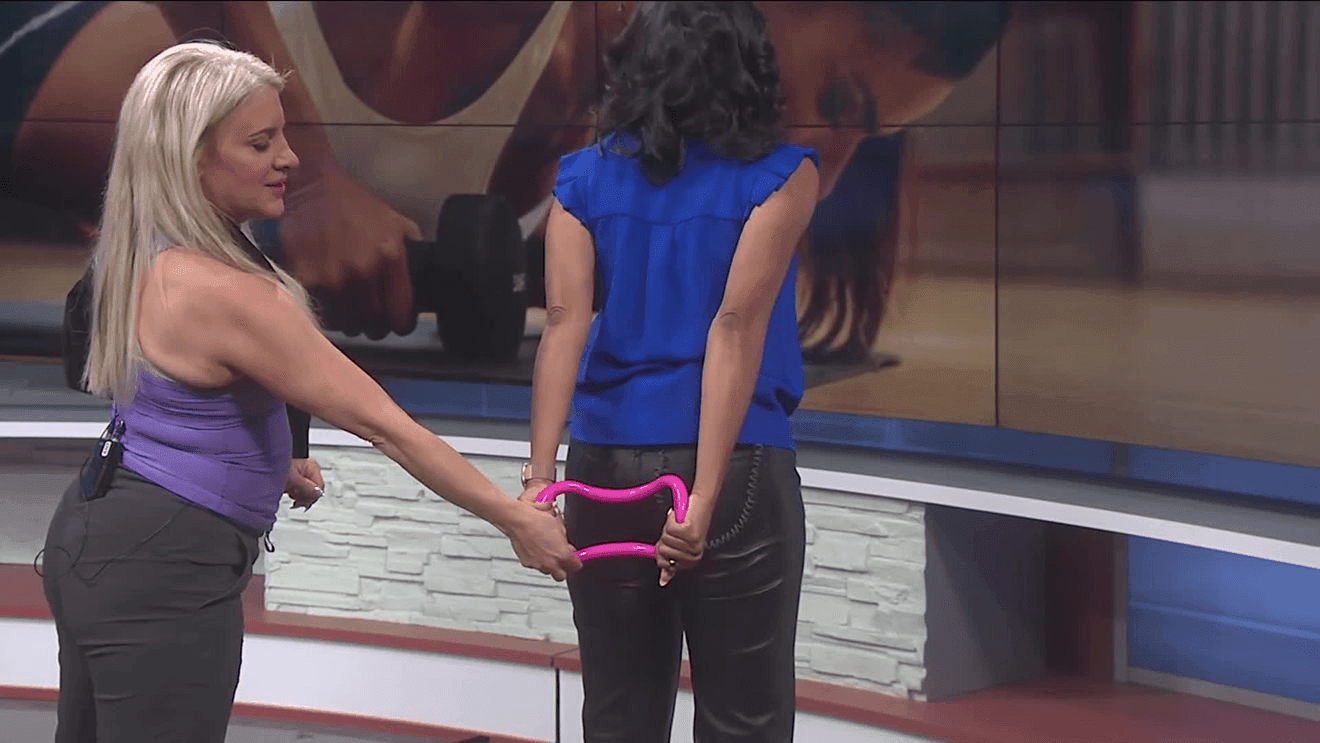
Investing in recovery tools like foam rollers, massage balls, or even heat and cold packs can provide relief and stimulate the healing process. These tools can help alleviate tension in surrounding muscles, which is often necessary for a full recovery.
3. Maintain Hydration
Staying well-hydrated is crucial for every part of the body, including muscles and joints. Water aids in the healing process by ensuring that nutrients are delivered efficiently and waste is eliminated. Aim to drink enough water daily and consider incorporating hydrating foods like fruits and vegetables.
4. Focus on Nutrition
A balanced diet rich in anti-inflammatory foods can support your body while it heals. Incorporating fruits, vegetables, lean proteins, and healthy fats can provide the essential nutrients needed for optimal recovery. Consider foods like salmon, nuts, and leafy greens, which are known for their beneficial properties.
5. Foster a Positive Mindset
Mental wellness plays a vital role in physical recovery. Practice mindfulness techniques or engage in uplifting activities that enhance your mood. A positive mindset can boost your motivation to stay active, follow your recovery plan, and navigate any discomfort more effectively.
Conclusion
Recovering from an injury doesn’t have to be a solitary journey filled with discomfort. By applying these practical strategies—gentle movement, recovery tools, proper hydration, nutritious diets, and a positive outlook—you can significantly enhance your healing process. Remember, patience is key; allow your body the time it needs to heal effectively. Stay proactive in your recovery, and you’ll be back to your full potential sooner than you think.