HPA RECOMMENDATIONS:
A dietician highlights common misconceptions about protein intake and meat consumption
-
By Lo Bi / Staff reporter
The Health Promotion Administration (HPA) has recently proposed revisions to its Dietary Reference Intakes and Daily Dietary Guidelines, prompting some confusion about the need for increased meat consumption. A dietician clarified that adhering to these revised recommendations does not necessitate eating more meat.
On March 5, the HPA announced updates to its dietary guidelines, which include raised upper limits for daily protein intake, as well as for whole grains, fruits, and vegetables.
The proposed changes also involve adjustments to the recommended daily intake of various food groups, notably raising the recommendations for protein, whole grains, fruits, and vegetables while decreasing the guidelines for dairy products.
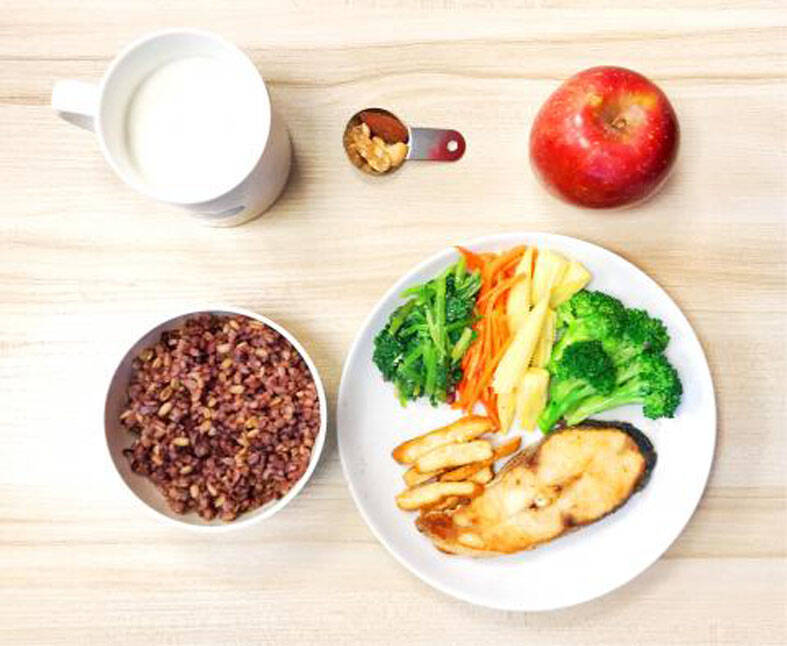
Photo courtesy of the Health Promotion Administration
Dietician Huang Shu-hui (黃淑惠) emphasized that the common belief that higher protein recommendations equate to a need for more meat is a misconception. She explained that meat is only one of many protein sources and that a properly balanced diet can meet protein needs without an increase in meat consumption.
According to Huang, there has been no groundbreaking change in the overall structure of the dietary guidelines, which continue to prioritize carbohydrates as the principal energy source while modifying recommended proportions. She advocates for a greater emphasis on plant-based foods and a reduction in red meat consumption.
One of the most noteworthy updates is the increase in recommended protein intake, which has risen from “three to eight servings” of beans, fish, eggs, and meat to “three to 13 servings” each day. This change addresses the rising trend of sarcopenia, or muscle loss, even in younger individuals, Huang noted.
Current dietary guidelines suggest a protein intake of 1.2g to 1.5g per kilogram of body weight per day, an increase from the previous recommendation of 0.8g/kg to 1g/kg. Importantly, there are various non-meat sources of protein, such as whole grains, dairy products, and nuts.
For instance, a serving of grains offers around 2g of protein, and a serving of nuts contributes approximately 1g to 2g. Therefore, if individuals consume adequate amounts of staple foods and nuts, they can reduce their meat intake significantly, Huang stated.
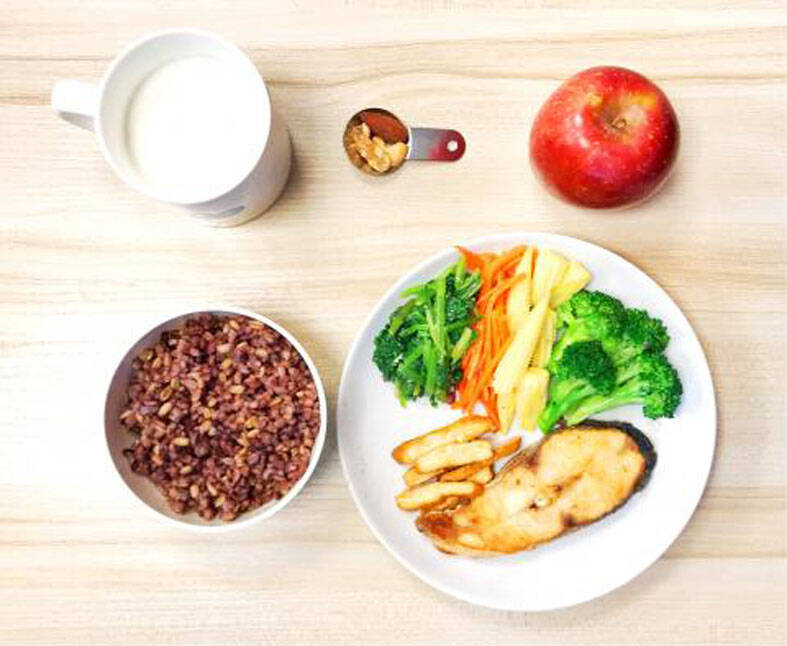
For a 60kg adult, roughly 72g of protein is required daily. Huang provided an example where two servings of nuts, 1.5 bowls of whole grains, and a cup of milk can provide about 26g of protein, which can then be complemented by beans, fish, eggs, and meat.
The HPA draft reinforces recommendations regarding protein sources, placing legumes (beans) at the top of the list, followed by fish, eggs, and meat, with red meat being the least encouraged option. This hierarchy is important because red meats, including beef, pork, and lamb, are high in saturated fats, which are linked to obesity, cardiovascular disease, and diabetes. Additionally, processed meats have been associated with colorectal cancer, Huang remarked.
The updated Daily Dietary Guidelines advise reducing the intake of red meat and processed foods while increasing consumption of unrefined grains. Whole grains are packed with dietary fiber, vitamins, and essential minerals such as magnesium and zinc, and their increased consumption can help stabilize blood sugar levels and lower the risk of Type 2 diabetes while boosting phytochemical intake, Huang explained.
The recommendations for daily servings of fruits and vegetables have also been raised to “two to six servings” of fruit and “three to eight servings” of vegetables, an increase from the prior guidance of two to four servings of fruit and three to five servings of vegetables.
To achieve the recommended daily fiber intake—at least 25g for women and 30g for men—it is crucial to consume sufficient fruits, vegetables, and whole grains. The new revisions aim to assist individuals in meeting these targets.
The draft revisions are currently open for public comment until the end of this month, and the updated recommendations will be formally released after expert review, according to the HPA.