The Importance of Bone Health for Women: Practical Tips for Staying Strong
As we age, especially during pivotal periods like menopause, maintaining bone health becomes increasingly crucial, particularly for women. With many individuals facing the risk of osteoporosis and related fractures, it’s essential to understand effective strategies for building and preserving bone density. This article highlights practical fitness advice tailored to enhance bone health while ensuring safety and convenience.
Understanding the Risk of Bone Loss After Menopause
Postmenopausal women experience an average decline in bone density of 1-2% each year due to a significant drop in estrogen levels, a hormone that aids in bone remodeling. Statistics reveal that over 10 million Americans suffer from osteoporosis, with a staggering 80% of them being women. Shockingly, one in two women over 50 will experience a skeletal fracture due to osteoporosis, underscoring the urgent need for efficient preventive measures.
Innovative Approaches to Bone Health
1. bioDensity: A Controlled, Safe Method for Strengthening Bones
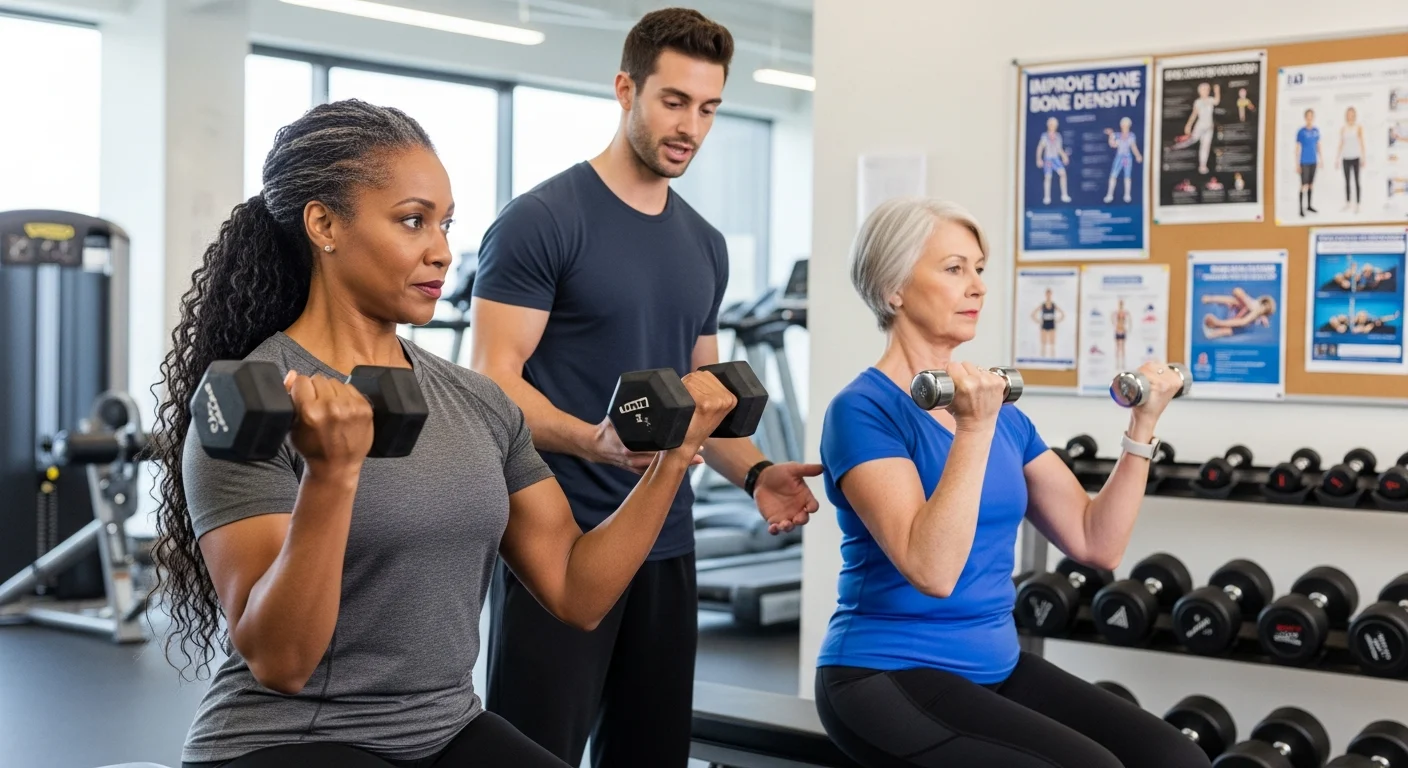
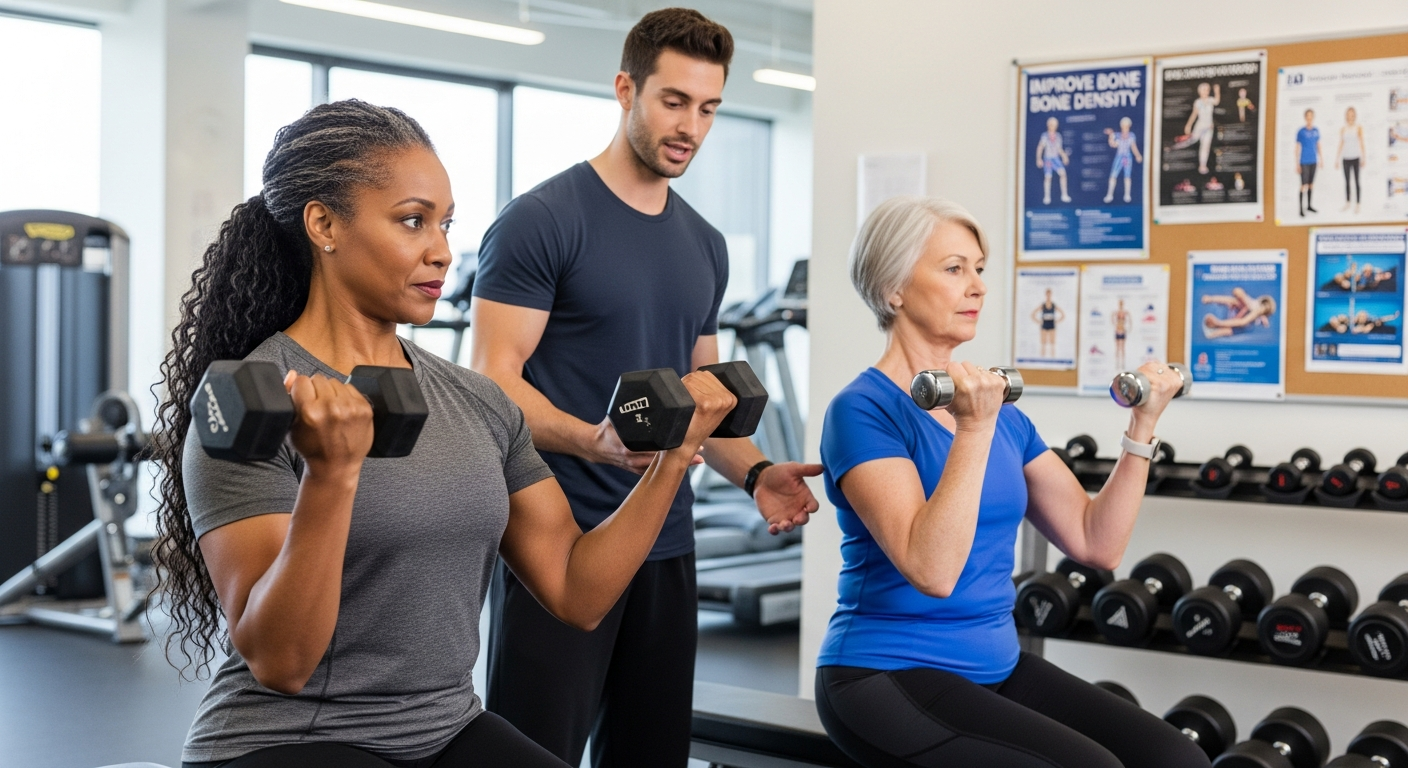
The osteogenic loading process introduced by bioDensity focuses on applying high-intensity but controlled forces to bones, encouraging the body’s innate ability to build stronger bones without the risk of high-impact stress. Using specialized equipment, users engage in brief yet intense activities like chest presses and leg presses, designed to activate bone-strengthening responses. By working out just once a week for about five seconds per exercise, individuals can stimulate bone density effectively.
2. Whole-Body Vibration with Power Plate
Another effective technology is the Power Plate, which uses vibrations to engage muscle fibers more intensively than traditional exercises. It generates vibrations that encourage reflexive muscle contractions, promoting strength, balance, and bone density simultaneously. This method is especially advantageous for those with joint issues or balance concerns, making it safer than high-impact movements.
3. Proven Results in Bone Density and Strength
Research indicates substantial improvements in bone density with the integration of these low-impact technologies. Users of bioDensity machines have shown bone density improvements of up to 8% within six months. Moreover, engaging in these specialized training programs not only enhances bone health but also provides multiple systemic benefits.
Why Traditional Exercise Might Not Be Enough
Many conventional exercises recommended for bone health, such as running or jumping, can prove risky for women with existing bone density issues. High-impact activities may lead to stress fractures and other injuries, particularly in those with weakened bones. Low-impact alternatives, like bioDensity and Power Plate training, provide necessary mechanical loads without the associated dangers.
Time Efficiency: Short, Effective Workouts
Traditional strength training often demands 45-60 minutes per session, which may be challenging for busy women. Specialized bone-building programs compress effective training into just 15-25 minutes, allowing for efficient workouts that easily fit into any schedule.
Five Simple Bone-Building Exercises You Can Do at Home
In addition to specialized equipment, here are five exercises that can be performed at home to promote bone health:
-
Wall Push-Ups: Stand facing a wall, extend your arms, and perform push-ups for upper body strength without excessive strain on the spine.
-
Chair-Supported Squats: Use a sturdy chair for support while doing squats. This helps target lower body strength safely.
-
Heel Raises: Hold onto a counter for balance and rise onto your toes. This strengthens calves and provides gentle loading for leg bones.
-
Standing Marches: Lift your knees alternately while maintaining balance. This improves balance and engages your hips and spine.
-
Modified Planks: Use your knees and forearms to hold a plank position. This helps strengthen core muscles and aligns the spine.
Beyond Bone Density: Additional Benefits of Fitness
Strength Gains: Isometric training methods lead to increased strength that protects joints and improves overall movement quality. Such gains also enhance metabolic health, allowing for better calorie management.
Improved Balance: Balance deterioration is a significant risk factor for fractures. The Power Plate, with its vibrating platform, encourages better stability and improves the ability to recover from sudden movements.
Metabolic Health: Resistance training improves glucose uptake, which can enhance insulin sensitivity and support weight management. This is especially beneficial for women managing diabetes alongside osteoporosis.
Conclusion: Invest in Your Bone Health
Prioritizing bone health is essential for active, healthy aging, particularly for women navigating menopause. Low-impact, time-efficient training methods offer practical solutions to build and maintain bone density while ensuring safety. By incorporating these strategies and exercises into your routine, you pave the way for a stronger, more resilient future. Adopting a proactive approach not only reduces the risk of fractures but also enhances overall quality of life, promoting independence and confidence as you age.
Take the First Step
To learn more about enhancing your bone health and fitness, consider exploring specialized programs that focus on these innovative training methods today. Your bones—and your future self—will thank you.