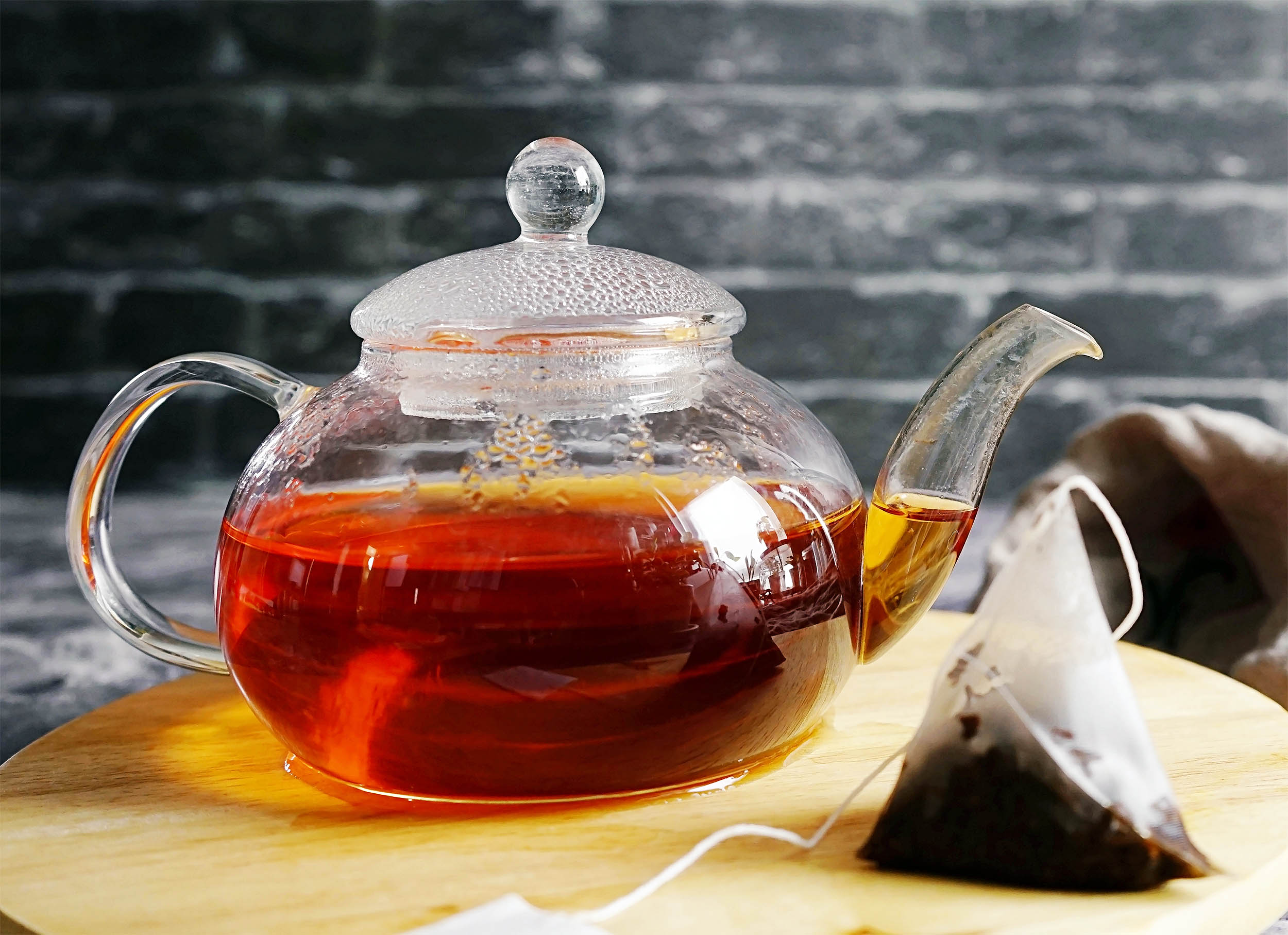
Tea is cherished worldwide, serving as a daily ritual for billions of individuals. While many focus on factors like steeping time and water temperature, a recently reviewed collection of scientific studies raises an intriguing concern: Are plastic particles sneaking into our cups?
The findings reveal a more complex scenario than simply determining if tea contains plastic. Instead, they suggest multiple pathways for plastic particles to infiltrate tea, with teabags potentially playing a significant role.

The tiny particles scientists are tracking
The review focused on microplastics and nanoplastics, collectively referred to as MNPs. Microplastics measure between one micrometer and five millimeters, while nanoplastics are smaller than one micrometer.
For context, a single human hair is tens of micrometers in width, making many of these particles invisible to the naked eye. This size factor contributes to the complexity of the issue.
These tiny particles can originate from various sources, including packaging, the processing of tea, brewing materials, and even environmental elements during testing.
Plastic reaches tea in different ways
The methods through which tea accumulates plastic particles vary based on the type of tea being prepared. Cold bottled tea, bubble tea, and hot brewed tea each have distinct sources of plastic contamination.
Bottled tea can absorb particles from the water used in production as well as from the bottle and its cap.
For bubble tea, the potential contact points increase, including the cup, lid, straw, mixing water, and other ingredients.
Instead of conducting new experiments, the researchers reviewed existing scientific literature, sifting through hundreds of papers to identify 19 pertinent studies that examined tea drinks, teabags, or tea packaging for these particles.
Why teabags stand out
A review assessing tea packaging identified teabags as a primary source of plastic contamination in hot tea. This revelation surprises many consumers, as teabags frequently appear to be made of paper.
However, some “pyramid” sachets incorporate plastic mesh, while other bags combine plant fibers with plastic. Additionally, certain cellulose bags may contain polypropylene, which acts as a heat-seal layer to secure seams during brewing in hot water.
Even bags marketed as “compostable” or “biodegradable” are not always devoid of plastic. Some studies revealed that when researchers dissolved the cellulose component, remnants of plastic remained in certain products.
The numbers are huge
In one study, researchers found that a single plastic teabag released approximately 14.7 billion tiny particles during brewing under specific conditions.
Another investigation indicated around 1.3 billion particles per bag. Researchers also observed significant particle counts from bags made with bioplastic PLA, although these counts were typically lower than those from plastic-mesh bags.
The results can vary as different laboratories employ different measurement techniques. Filters with larger pores may capture larger particles while allowing smaller ones to pass through, resulting in discrepancies.
In the review, filters ranged from submicrometer sizes to tens of micrometers, with this choice alone capable of dramatically affecting final particle counts.
Measuring plastic is harder than it sounds
Detecting tiny particles in beverages is not simply a matter of pouring tea through a filter and counting the residue. Scientists must identify whether a particle is plastic and ascertain which polymer it represents.
Some instruments are better suited for larger particles, while others can detect smaller ones but come with limitations. Contamination presents an ongoing challenge. Fibers from clothing, particles in lab water, plastic lab tools, and airborne dust can all unintentionally infiltrate samples.
A striking figure in a headline should prompt readers to ask essential questions: What type of teabag was analyzed? Did the brewing conditions resemble typical tea preparation? What size particles can the lab reliably detect?
Chemicals along for the ride
The review highlighted another important concern: Plastics are seldom alone. Manufacturers often add chemicals to enhance plastic properties such as flexibility, color, and performance. Residual substances from production processes may also linger.
Various studies have identified plastic-related chemicals in tea infusions, including breakdown products, certain plasticizers, and bisphenol-type compounds.
Researchers are investigating how these chemicals migrate during the brewing process, with possibilities including extraction from the teabag itself, from broken particles, or from contamination incurred during production or preparation. However, the specifics are still under exploration.
Tea particles and human health
While the review does not assert that particles from teabags pose an immediate risk to health, it did not involve clinical trials on humans. However, initial laboratory studies indicate potential concerns.
One study exposed tiny water fleas, termed Daphnia, to diluted liquid sourced from nylon and PET teabags, revealing plastic particles within the organisms and reporting abnormalities and weakened mobility at higher exposure levels, although metal residues from tea leaves were also present.
Another examination involving human intestinal cell models revealed interactions with PLA particles from bioplastic teabags, but short exposure tests did not result in significant cell death or apparent structural damage.
Reading headlines with caution
Indeed, a cup of tea may contain more than just the beverage itself. However, the crucial takeaway is the need for perspective rather than panic.
When confronted with claims regarding teabags releasing billions of plastic particles, one should examine the accompanying details to understand the true implications of those figures.
While tea remains a beloved drink, it’s essential to remember that factors like the bag, bottle, cup, and laboratory methods all contribute to the overall narrative. This context is important to consider as you prepare your next cup.
The full study was published in the journal Food Chemistry.
—–
Like what you read? Subscribe to our newsletter for engaging articles, exclusive content, and the latest updates.
Check us out on EarthSnap, a free app brought to you by Eric Ralls and Earth.com.
—–
Key Takeaways
- Plastic particles, including microplastics and nanoplastics, can enter tea from various sources.
- Teabags are a significant contributor to plastic contamination in hot tea.
- Research has shown that a single plastic teabag can release billions of tiny particles during brewing.
- Measuring plastic particles in beverages is complex and can vary based on laboratory techniques.
- Chemicals from plastics may leach into tea, but the mechanisms remain under investigation.
- The health implications of consuming plastic-infused tea are still uncertain and require further research.
FAQ
Can tea contain plastic particles?
Yes, research indicates that plastic particles can enter tea through brewing materials, particularly teabags.
Why are teabags a concern for plastic contamination?
Many teabags contain materials that include plastic components, leading to potential particle release during brewing.
How are plastic particles measured in tea studies?
Measurement methods vary and can affect results, as different filters catch different particle sizes.
What are some health concerns related to plastics in tea?
Initial studies have found potential impacts on aquatic organisms and cell models, but human health effects are not yet fully understood.