The Evolving Landscape of the U.S. Cosmetics Market: Insights and Trends
The United States cosmetics market is undergoing a transformative phase, driven by a shift in consumer preferences that prioritize premium products, clean beauty, and personalized skincare solutions. Beauty is no longer viewed as a routine; it’s now interwoven with lifestyle choices, self-expression, and wellness practices. As consumers become increasingly educated about ingredients and sustainability issues, brands are adapting swiftly to meet their expectations.
Market Overview
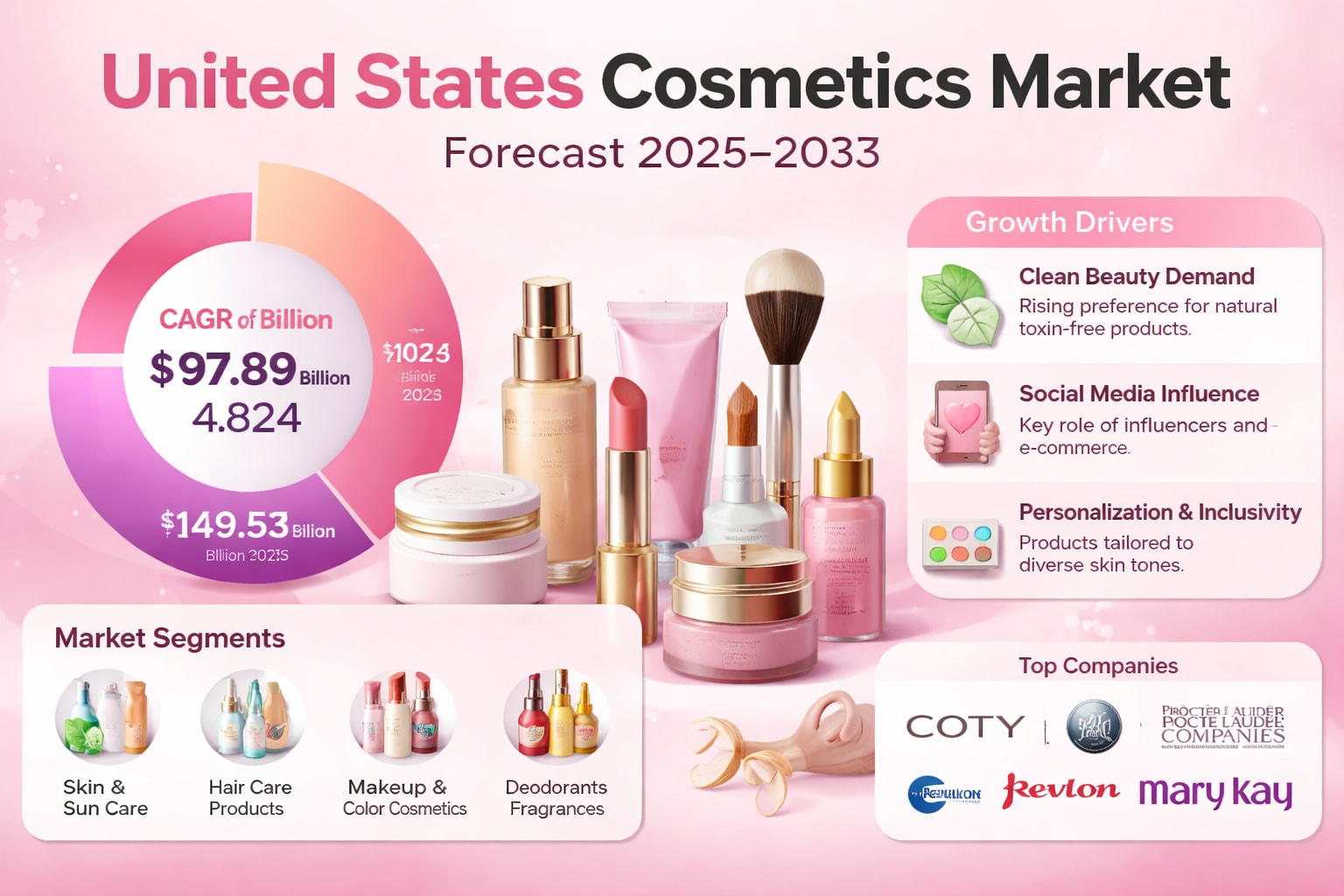
The U.S. cosmetics market is projected to reach approximately $149.53 billion by 2033, growing from $97.89 billion in 2024. This growth reflects a compound annual growth rate (CAGR) of 4.82% from 2025 to 2033. Factors driving this expansion include heightened consumer awareness regarding skincare, the rising demand for natural beauty products, and the rapid evolution of digital marketing and e-commerce platforms. This dynamic sector influences global beauty trends and encompasses a broad range of products, including skincare, makeup, and hair care.
The Importance of Cosmetics in Daily Life
Cosmetics enhance personal grooming and confidence, serving as tools for creativity and self-expression. Among the most popular products are skincare items like moisturizers and sunscreens, which help maintain healthy skin while addressing various concerns. Makeup products, too, like foundations and lipsticks, are essential for many consumers aiming to enhance their appearance. Hair care solutions such as shampoos and styling products comprise another significant segment of this expansive industry.
Beyond personal use, cosmetics find their place in professional arenas like fashion and media, where makeup artists and stylists rely on high-quality products to achieve polished looks. The increasing focus on health and wellness has made cosmetic products essential in daily routines.
Key Growth Drivers
-
Demand for Clean Beauty:
A notable trend within the industry is the growing preference for clean beauty products. Consumers are becoming more discerning about the chemicals and synthetic ingredients in their cosmetics. Many now seek natural, organic, vegan, and cruelty-free options, reflecting the importance of transparency in product formulations. -
Social Media Influence:
Digital platforms like Instagram and TikTok have revolutionized how consumers learn about and purchase cosmetics. Beauty influencers have become pivotal in shaping trends, offering reviews and tutorials that directly affect consumer behavior. E-commerce facilitates convenient access to a wider array of options. -
Personalization and Inclusivity:
Consumers are increasingly demanding products tailored to their individual needs. Cosmetic companies are responding with expanded shade ranges and personalized skincare solutions that align with specific skin types and concerns. This focus on inclusivity fosters brand loyalty and strengthens emotional connections with consumers.
Challenges Facing the Market
-
Regulatory Compliance:
Navigating the intricacies of regulations from agencies like the FDA can be challenging for cosmetic manufacturers. Compliance often requires significant investment in time and resources, especially with the rising demand for natural and sustainable products. -
Market Saturation:
The cosmetics industry is intensely competitive, with established brands alongside startups vying for consumer attention. This saturation makes differentiation difficult, compelling companies to innovate and adopt effective marketing strategies.
Hair Care and Makeup Segments
Hair care products continue to make a significant impact within the cosmetics market, with consumers seeking specialized solutions for various hair concerns. Personalized options are gaining traction as brands cater to specific hair types, while makeup products are also evolving, incorporating skincare benefits and expanding shade ranges to promote inclusivity.
The Future of the U.S. Cosmetics Market
As consumer lifestyles evolve and awareness regarding skincare and sustainability increases, the U.S. cosmetics market is set for continued growth. The shift towards clean, sustainable, and personalized products is reshaping the industry’s landscape. Furthermore, the influence of social media and advancements in e-commerce are revolutionizing marketing and sales strategies for beauty brands.
Conclusion
The trajectory of the U.S. cosmetics market points toward a future rich with innovation and opportunities for brands willing to adapt to changing consumer demands. As the beauty industry embraces clean and personalized solutions, it stands to reshape its image and influence. Companies that remain responsive to these trends will not only secure a competitive advantage but will also play a significant role in the ongoing evolution of consumer preferences in the cosmetics arena.